Creator Marketing Strategy and Best Practices
A closer look at how creator marketing drives stronger social performance.
Contents
What Is Creator Marketing?Creator Marketing vs. Influencer MarketingWhat Is the Creator Economy?Why Creator Marketing Is Worth the InvestmentBenefits of Working With CreatorsThe 3 Main Types of Content CreatorsHow To Find Content Creators To Work WithHow To Build a Creator Marketing Strategy That WorksThe Most Effective Types of Creator PartnershipsHow Dash Social Sets Your Creator Marketing Apart Creator Marketing FAQs:
Creator marketing is one of the clearest ways for brands to build trust, reach the right audiences, and turn social attention into measurable results. As social discovery keeps changing, brands need more than one-off partnerships or vanity metrics.
They need creator programs that connect content, performance, and strategy, so every campaign does more than just show up. It helps move the business forward.
Key Takeaways:
- Creator marketing helps brands build trust, reach, and measurable impact.
- It goes beyond influencer marketing by delivering content and insight, not just visibility.
- The right creator fit matters more than the biggest following.
- Strong creator strategies are built with clear goals, structure, and collaboration.
- Measurement is what turns one-off campaigns into long-term momentum.
What Is Creator Marketing?
Creator marketing is a strategy where brands partner with creators to produce content that connects with the right audience and drives measurable business results. As social entertainment becomes the primary reason users tap into social media, influencers have evolved into video producers, writers, and directors.
The real value comes from the combination of content, audience trust, and performance insight. Strong creator marketing helps brands build awareness, influence purchase decisions, surface high-performing content, and connect owned, earned, and paid efforts in a more unified way.
Unlike a disconnected influencer tactic, creator marketing works best when it is part of a broader social media strategy. That means using creator campaigns not only to get in front of new audiences, but also to understand what content resonates, what partnerships perform, and where to invest next. In that sense, creator marketing is more than just who you work with. It is about building a smarter, more effective system for growth.
Creator Marketing vs. Influencer Marketing
Influencer marketing and creator marketing are often used interchangeably, but they are not quite the same thing.
Influencer marketing is usually centered on reach. The goal is to partner with someone who has an audience and use that visibility to drive awareness, clicks, or sales. In many cases, the value comes from distribution.
Creator marketing is broader and more strategic. It’s about partnering with people who can both influence an audience and create content your brand can learn from, repurpose, and build around. The value comes from who they reach, what they create, and how that content supports your broader social strategy.
That distinction matters. The strongest creator campaigns are not treated as one-off promotions. They are connected to owned, earned, and paid efforts, which gives brands a better view of performance and a clearer sense of what is actually driving results. That is why more teams are leaning into creator marketing as part of a unified social strategy, rather than treating influencer work as a separate channel.
In short, influencer marketing helps brands access audiences. Creator marketing helps brands build momentum. It combines reach, content, and insight in a way that is easier to scale efforts, measure success, and apply across future creator campaigns.

Stay on top of creator and influencer performance
Seamlessly measure the ROI of your ambassador, influencer and creator programs.
Discover Creator Measurement ToolsWhat Is the Creator Economy?
The creator economy is the ecosystem of creators, platforms, brands, and tools that turns content into business value. It covers everything from the people creating videos, photos, and posts to the technology, partnerships, and platforms that help that content reach audiences and drive results.
As social media continues to shape how people discover and connect with brands, the creator economy has become a major force in modern marketing.
Why Creator Marketing Is Worth the Investment
Creator marketing is worth the investment because it drives impact across the full customer journey. The right creator campaigns can build awareness, increase engagement, influence purchase decisions, and give your team a steady stream of content that keeps delivering value after the initial post goes live.
That’s part of what makes digital creator marketing so effective. It does more than help brands reach new audiences. It helps them show up in a way that feels credible, relevant, and natural to how people already spend time online. When creator campaigns are built into a broader social strategy, brands get a clearer view of what’s resonating and where to invest next.
Most importantly, creator campaigns work because audiences respond to them. Creator content can shape discovery, influence buying behavior, and strengthen performance across owned and paid channels, too. For brands that want social to drive measurable business results, creator marketing is a smart investment.

Benefits of Working With Creators
Working with creators offers many benefits that can significantly elevate your brand's online presence. These partnerships open doors to diverse audiences across various platforms and enhance engagement and authenticity on social media. Brands can forge meaningful connections and conversations by tapping into creators’ unique skills and follower bases. Here are five benefits that make creator partnerships worth the investment.
1. You reach audiences in a more credible way
In social media, brand authenticity is the heartbeat of successful creator marketing strategies. Creators have genuine connections and trust with their audiences that bring unparalleled authenticity. This authenticity is key to resonating with consumers who crave real, relatable content. By partnering with diverse creators, brands can harness this realness and ensure their messages are heard and felt.
2. You get content that feels natural to the platform
Creators know how to make content that fits the pace, tone, and style of social. Instead of forcing brand creative into the feed, you get content that feels like it belongs there, which can improve engagement and performance.
3. You build momentum, not just awareness
The best creator partnerships do more than generate a quick spike in visibility. They help brands build trust, drive engagement, influence purchase decisions, and create a stronger foundation for long-term growth.
4. You gain insight into what actually resonates
Creator partnerships can reveal which messages, formats, and creative approaches resonate most with your audience, giving brands stronger direction for future campaigns. Instead of relying on instinct alone, teams can use those learnings to refine their strategy, improve creative choices, and build creator campaigns that are more informed and more effective over time.
5. You extend reach into niche communities
Many brands are challenged with community-based marketing and have a hard time reaching small, specialized communities where their products could make the biggest difference. But creator marketing helps build trust and real connections with these groups. By working with creators, brands can reach these niche audiences, spark meaningful interactions, and build a community of loyal customers.
The 3 Main Types of Content Creators
People often debate the difference between a content creator vs. influencer on social media, but the truth is, anyone posting content online is technically a creator. However, not all creators are the same. The real difference comes down to how they create, how they engage, and the role they play for their audience.
For marketers, those differences matter. Understanding the types of creators out there can help you choose the right partners and build stronger campaigns. Here are three types of creators every marketer should know.
1. Content Creators
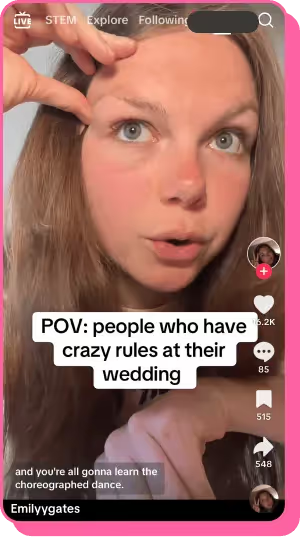
Content creators make original content for social media or digital platforms, usually within a clear niche. What makes someone a creator is not their follower count, but their ability to consistently produce content that connects with an audience.
Emily Gates is a good example of that. Her observational comedy and POV-style skits show how creators build attention through creative skill and platform fluency, not just influence alone.
2. Influencers
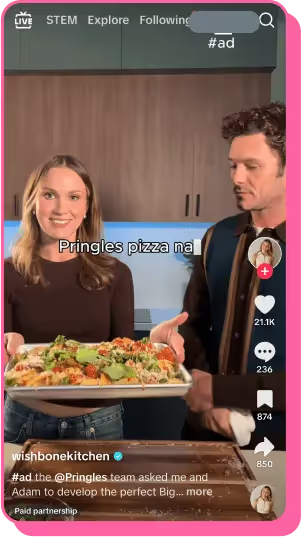
Influencers are creators who inspire their audience to take action. That could mean trying a recipe, buying a product, or engaging with a brand through affiliate links or partnerships.
You can see that clearly with Wishbone Kitchen. Meredith Hayden is a food influencer who has built a loyal audience through content, then turned that trust into brand partnerships, product collaborations, and a broader media business. That is what defines an influencer, not just content creation, but the ability to shape behavior.
3. Brand Ambassadors
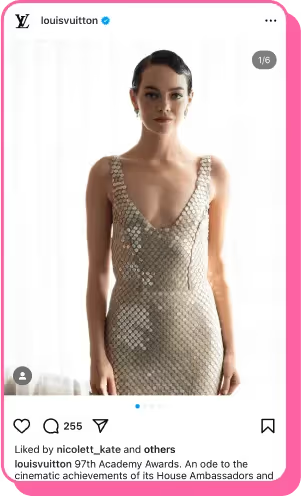
Brand ambassadors represent a brand over time, often across more than one channel. Unlike creators or influencers, they are not always active on social media. Their value often comes from long-term brand alignment, visibility, and cultural relevance.
Emma Stone shows what that can look like in practice. Louis Vuitton names her as a House Ambassador and features her across major campaigns and collections. She has also been associated with the house since 2018, giving the partnership the kind of longevity that makes a brand ambassador relationship feel distinct from a typical campaign collaboration.
How To Find Content Creators To Work With
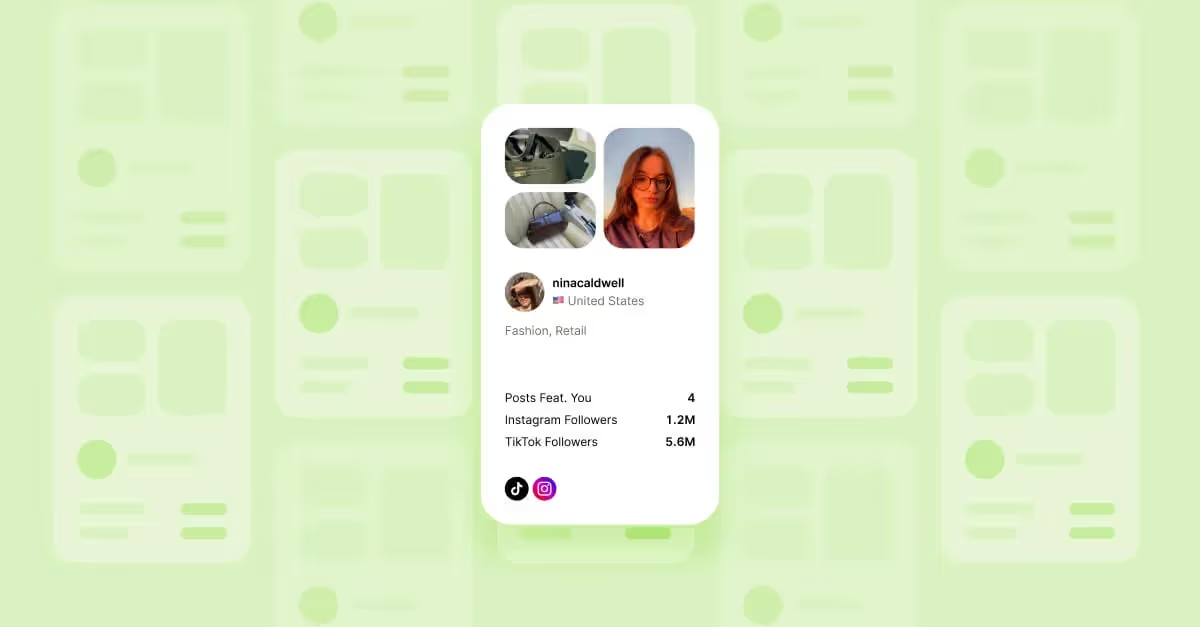
Not every creator is the right fit for your brand. Strong creator marketing starts with choosing partners who align with your audience, your content strategy, and your goals. When the fit is right, creator campaigns feel more authentic and perform better. Here are a few tips to help you find creators who will truly click with your audience.
How To Build a Creator Marketing Strategy That Works
A strong creator marketing strategy takes more than finding someone to post about your brand. The best programs are built with intention, from creator selection to measurement. Instead of treating every task as its own step, focus on the few decisions that shape performance most.
1. Start with research and the right creators
Before you build the campaign, look at what is already happening in your space. Review competitor activity, creator trends, and the types of partnerships that feel relevant to your brand. At the same time, start identifying creators who align with your audience, your content style, and your goals. This helps you shape a strategy around the right fit, rather than forcing a creator into a campaign after the fact.
2. Set clear goals, budget, and channels
Once you know who you want to reach and who you want to work with, define what success looks like. Set realistic goals, establish a budget, and choose the channels that make the most sense for both your audience and your creators. This gives the campaign structure early and helps every decision ladder back to performance.

3. Build the brief and secure the partnership
A clear brief is what turns a good idea into a workable campaign. Outline the campaign objective, deliverables, timeline, messaging, and expectations, then use that as the foundation for creator outreach. Once a creator is interested, align on the details and formalize the partnership with a contract so both sides know exactly what success looks like.
4. Collaborate on content and launch
The best creator campaigns feel like a partnership, not a handoff. Give creators the guidance they need, but leave room for their perspective and platform expertise. Once the content is ready, launch the campaign with a clear plan for timing, distribution, and support across your broader social strategy.
5. Measure performance and refine
Tracking results is what makes the strategy sustainable. Monitor performance as the campaign runs, then use those insights to understand what resonated, which creators were the best fit, and where to invest next. The more you learn from each campaign, the stronger your creator marketing strategy becomes.
The Most Effective Types of Creator Partnerships
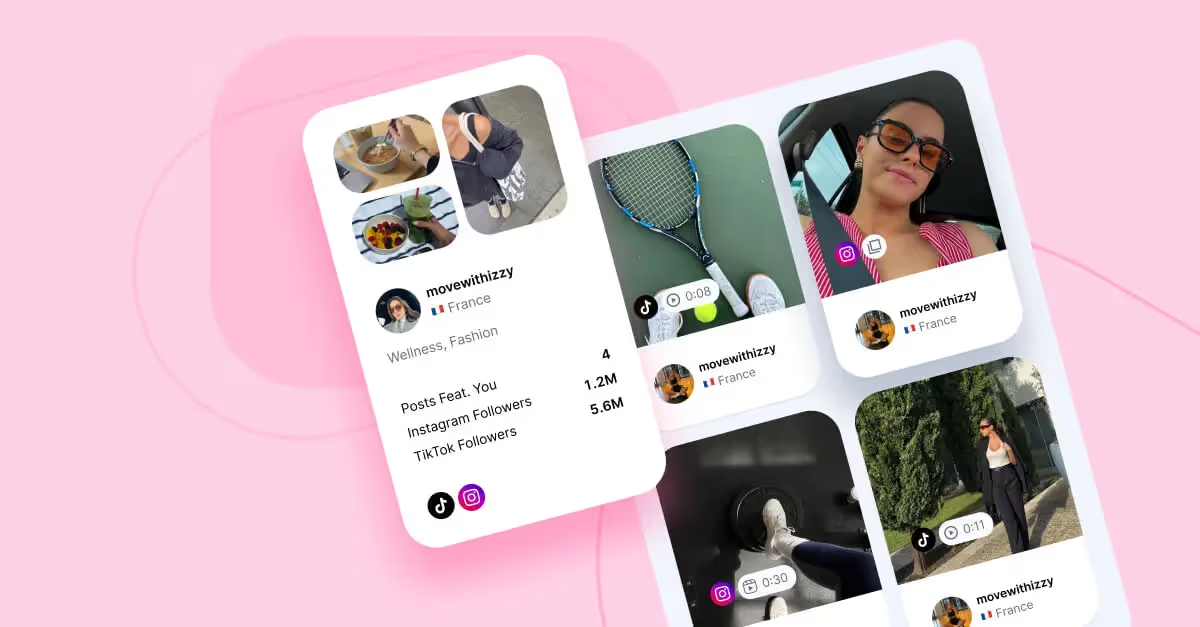
The best creator partnerships are built around the job they need to do. Some are designed to put a product in front of the right audience fast. Others are meant to create stronger content, expand reach, or build more excitement around a campaign. Here are a few of the most effective partnership models, and where each one works best.
How Dash Social Sets Your Creator Marketing Apart
Creator marketing works best when it is connected to the rest of your social strategy. It’s not just about finding creators or launching campaigns. It is about building the right partnerships, understanding what is driving impact, and using those insights to make smarter decisions over time.
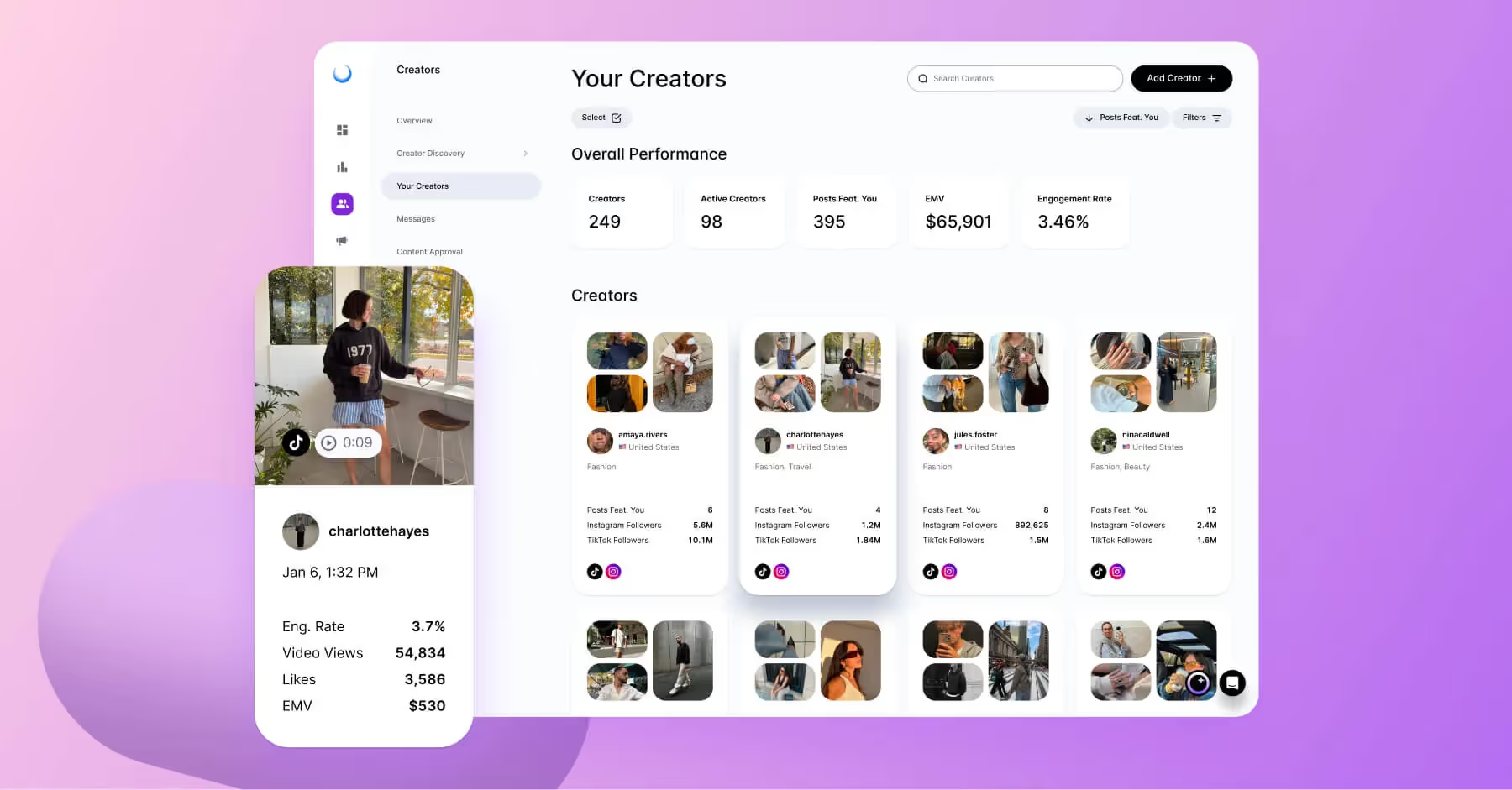
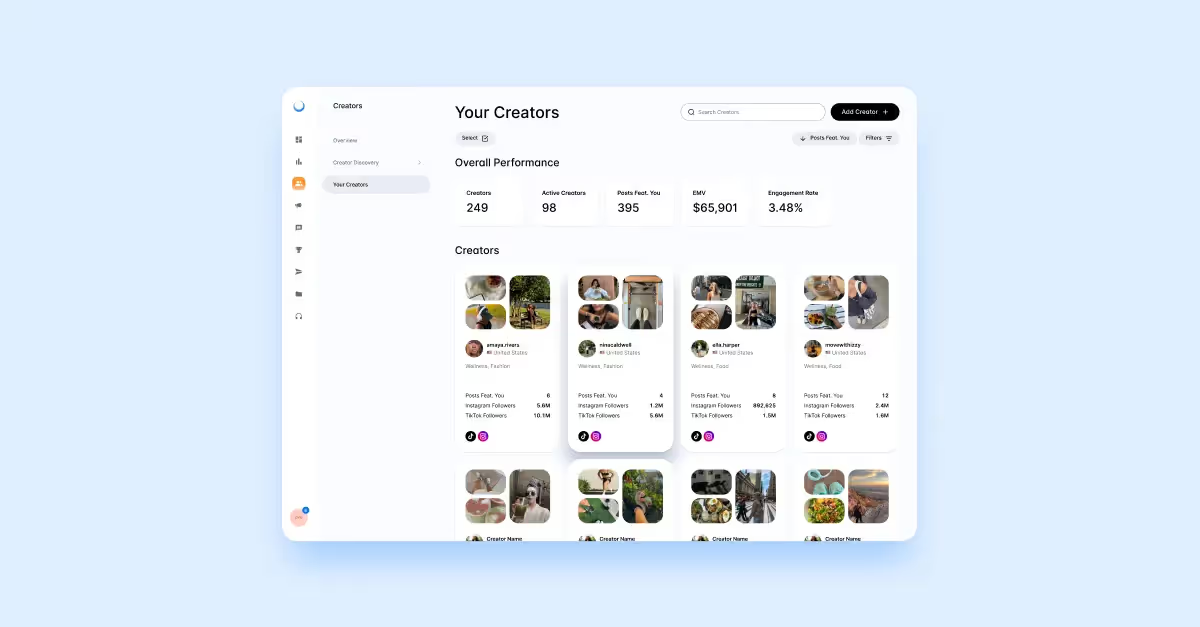
That’s where a more connected approach matters. With tools like Dash Social’s Creator Management suite, brands can bring discovery, measurement, and reporting into one place, making it easier to stay organized, move faster, and grow with more confidence.
Creator Marketing FAQs:
What is a content creator?
A content creator is someone who makes original content for social media or digital platforms, usually within a specific niche. What defines them is not follower count, but the content they create and how it connects with an audience.
Who is considered a creator?
A creator is anyone who makes and shares original content online. That includes people with small audiences and large ones. What makes someone a creator is not follower count, but the fact that they consistently produce content for a specific audience or niche.
What is the difference between content creators vs content marketers?
Content creators make the content. Content marketers use content strategically to grow a brand, reach an audience, and drive business goals.
A content creator might post videos, photos, or reviews for their own audience. A content marketer creates or manages content as part of a broader marketing strategy. Sometimes, one person can be both.
How do creator partnerships compare to traditional influencer marketing?
Creator partnerships are usually more collaborative and content-focused than traditional influencer marketing. Traditional influencer marketing often centers on reach and one-off promotions, while creator partnerships tend to emphasize stronger brand fit, more authentic content, and longer-term value across your broader social strategy.
How do you find the right creators to work with?
Start with the creators who are already a natural fit for your brand. Look at who is posting about you, who speaks to your target audience, and who creates content that matches your style and goals. The right creator should feel relevant to your audience, credible on the platform, and aligned with the kind of campaign you want to run.
What social platforms are best for creator marketing?
The best platform for creator marketing depends on your audience. TikTok and Instagram are often the strongest choices for brands focused on discovery, engagement, and short-form content. YouTube can be a better fit for longer-form storytelling and education. The right platform is the one your audience already uses, and your creators know how to use it well.
What types of creator partnerships are the most effective?
The most effective creator partnerships depend on your goal. Product placements are useful for quick awareness, co-created content can drive stronger engagement, post amplification helps extend reach, and creator-led activations are effective for bigger campaign moments. The best format is the one that fits your audience, your content strategy, and the outcome you want.