How To Build a Brand Ambassador Program That Drives ROI
What's the difference between brand ambassadors and influencers?
Take your ambassador and influencer programs further with our Complete Guide to Influencer Marketing Strategy.
Contents
What Is a Brand Ambassador?Types of Brand AmbassadorsThe Difference Between a Brand Ambassador and an InfluencerWhy Brand Ambassadors Drive ROIHow To Choose the Right AmbassadorBuilding A Brand Ambassador Program With Dash Social Common Brand Ambassador Mistakes To AvoidBrand Ambassadors FAQs
If you’re reading this, you’re likely aware of the greatest challenge facing marketers today: consistently producing and distributing highly engaging content. Sounds easy, right? Not necessarily.
Marketers, particularly those working in the social media space, are being asked to do more with less, meaning brands must find ways to supercharge their teams’ limited bandwidth and budget. Enter influencer marketing.
Key Takeaways:
- Brand ambassadors are long-term partners, not one-off posts. Unlike traditional influencer campaigns, ambassadorships focus on sustained advocacy and deeper brand alignment.
- Authenticity drives ROI. Audiences trust consistent, values-aligned creators more than transactional #ad content.
- Ambassadors come in many forms. From influencers and customers to experts and affiliates, the right mix depends on your goals and budget.
- Follower count isn’t everything. Nano and micro-creators often outperform larger influencers in engagement and effectiveness.
- Measurement is critical. Clear benchmarks, performance tracking, and ongoing reporting are essential to maximizing ambassador impact over time.
What Is a Brand Ambassador?
A brand ambassador promotes a brand to generate positive brand awareness amongst their network and beyond.
Historically, brand ambassadors were celebrities or individuals with a global reach. Think Jennifer Garner and the now iconic Neutrogena ‘face splash’, circa 2013.
The brand advocacy that results from an ambassadorship is generally perceived by the public as more authentic due to the long-standing nature of the relationship. In other words, it’s easier to believe that someone is truly advocating for the brand (vs. advocating for a paycheck) when they feature the brand or product consistently over a long period of time, or when they actively use the product.
Celebrity ambassadors aren’t going anywhere. In fact, some TikTok creators have become celebrities in their own right. @alix_earle has over 12 million followers across TikTok and Instagram. With that, today’s brand ambassadors are more likely to be influencers and creators, ranging from nano to micro, to macro-influencers.
This is great news for brands, as it opens up a world of opportunities for any budget. When a brand finds the right ambassador, the results have the potential to drive sustainable gains in reach and meaningful long-term ROI.

Types of Brand Ambassadors
Brand ambassadors can come in all shapes and sizes. So, what are the different types of brand ambassadors, and which ones should brands work with?
1. Influencers
Influencers are professional content creators with established credibility on social media. As a result, they have the special ability to mobilize the opinions and purchasing behaviors of their followers and fans. Influencers are often subdivided based on follower count as follows:

When seeking out influencers to work with, brands should look beyond follower numbers and prioritize metrics like engagement, posting cadence, follower demographics, as well as the nature and quality of content being shared. It’s important to find alignment between the influencer and the brand otherwise, content could be poorly received and dismissed by audiences as inauthentic, to the detriment of both parties’ credibility.
2. Customer Ambassadors
Consumers are increasingly turning to social media for shopping inspiration, product discovery, and peer recommendations. What does this mean for brands? Your customers are already online; consuming, creating, and sharing content about the products they love.
Think about the last time someone posted a haul video, shared an outfit photo, or tagged a brand in their Instagram Stories. That kind of organic advocacy happens every day. With accessible content creation tools and platforms designed for sharing, anyone can become a creator and potentially influence their network.
In other words, your customers are often your most credible advocates and one of your most underutilized growth channels.
Customer ambassadors are existing fans who genuinely enjoy your products. A program can start simply: offering referral codes, resharing tagged content, engaging directly in comments, or rewarding loyal customers with early access or product seeding.
This approach is often one of the most cost-effective ambassador models. These partners are already in your ecosystem, in your community or CRM, and compensation can frequently take the form of products, exclusive perks, or commission-based incentives.
3. Expert Ambassadors
Expert ambassadors have a specialized industry-specific skill set. For example, experts in the fitness industry could include personal trainers and coaches, professional athletes, and yoga instructors. Experts in the home industry could include interior designers, architects, and so on.
This type of ambassador is a trusted source for technical knowledge and expertise. When the stars align, this added layer of credibility can lend itself beautifully to a brand.
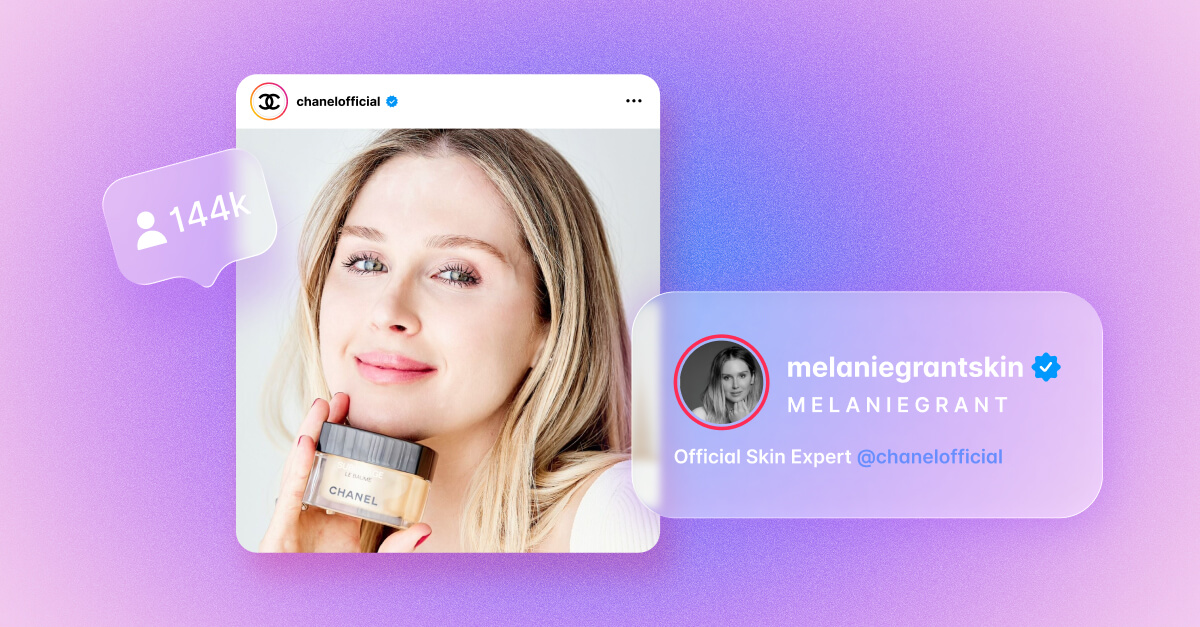
Melanie Grant, an Australia-based facialist and skincare expert (and the magic behind Victoria Beckham’s famously luminous skin), has over 144k followers on Instagram. Grant became CHANEL Australia’s first official Skin Expert in 2016. On the surface of this partnership, CHANEL gets exposure to Grant’s loyal social followers as well as Grant’s expertise, and Grant, in return, benefits from the prestige and credibility that comes with being assoiated with the luxury CHANEL brand. This is the perfect example of a mutually-beneficial partnership.
Expert ambassadors not only provide a superb inroad to an established niche community, but they are also excellent sources of knowledge and expertise. Typically, expert ambassadors are valued contributors to community education, product innovation, and co-developed campaigns and product lines.
Brands can also lean into expert ambassadors to build credibility in a new category or with a new audience. Integrate emerging platforms like Lemon8 into your brand ambassador strategy to reach new audiences. DSW, traditionally known as a discount shoe retailer, partners with expert stylist Dani Michelle, known for dressing the likes of Kendall Jenner and Hailey Bieber, to build credibility and traction in the luxury fashion world.
4. Affiliate Ambassadors
Affiliate ambassadors focus on driving conversions through trackable affiliate links. If you’ve clicked on an RStyle or LTK link, you’ve supported this type of partnership. Affiliate ambassadors earn a commission from every sale they drive for the brand.
Affiliate ambassadors may seem transactional on the surface. However, it’s important to note that affiliate marketing and affiliate ambassadors are different. Whereas affiliate marketing is used to drive short-term conversions during peak selling seasons, affiliate ambassadors are longer-term partners who advocate for the brand over a sustained period.
These ambassadors have the potential to drive meaningful revenue for brands by seamlessly connecting their own social posts to a brand’s product. For example, Laura Jade Stone, a fashion/lifestyle influencer and founder of Formi Hair, links her favorite clothing pieces with trackable links in her Instagram Stories.
Stone built a loyal following on Instagram by featuring her personal style and focusing on fashion. Interestingly, she does not add links to all of her posts, in fact, she often doesn’t. As a result, when she does share a link, it feels intentional and valuable rather than transactional. Stone has effectively built a personal platform for conversions, the perfect nucleus for an affiliate partnership. She is often seen wearing pieces from (and linking to) brands like The Iconic, Reformation, and Luisa Via Roma.

The Difference Between a Brand Ambassador and an Influencer
As a rule of thumb, brand ambassadors can be considered the ‘next-level’ influencer partnership. We can think of influencers as independent agents with their own personal brands and platforms. In this context, influencers are often recruited for one-off or short-term initiatives. In some cases, when effectiveness has been proven, and brand alignment is undeniable, influencers can naturally evolve into the next stage of partnership: brand ambassadorship.
The biggest difference between an influencer and an ambassador lies in the depth of connection to the brand. An ambassador is effectively an extension of the brand, someone who shares the same core values and advocates for the brand in an authentic way. An influencer relationship, by contrast, is more transactional.
With that in mind, brands should be wary of enlisting influencers for one-off posts. A Dash Social partner in the beauty space noted that for influencers to convert, they need to post about the product a minimum of 7-10 times. In other words, the consumer is getting wiser and seeing right through the #ad hashtag. A single post about a product is no longer enough to drive sustainable ROI.
Why Brand Ambassadors Drive ROI
Brand ambassadors do more than generate awareness. They create sustained influence. By consistently bridging the gap between brand and consumer, ambassadors build familiarity, credibility, and trust over time. Unlike one-off influencer campaigns that create short spikes in engagement, ambassador partnerships compound in value.
Ambassadors typically create content for their own social channels, integrating your brand naturally into their existing narrative. Because their advocacy is ongoing, audiences are exposed to the brand multiple times, a critical factor in driving purchasing decisions. Repeated exposure builds brand recall, shortens the path to purchase, and increases the likelihood of conversion.
In many cases, ambassadors also create content directly for the brand. This provides a steady stream of high-performing, socially native creative that can be repurposed across owned, paid, and earned channels. The result? Lower content production costs and stronger creative performance.
Beyond social posts, ambassadors often play a broader role in brand growth. They may support community education initiatives, participate in events and activations, contribute to product development, or co-create limited-edition collections. These deeper integrations strengthen brand equity and foster long-term loyalty, outcomes that extend far beyond engagement metrics.
From an ROI perspective, ambassador programs drive value across multiple dimensions:
- Sustained reach: Ongoing partnerships ensure consistent visibility rather than short-term spikes.
- Higher trust and conversion: Long-term advocacy feels more authentic than transactional posts.
- Earned Media Value (EMV): Tagged mentions and organic content amplify impact beyond paid placements.
- Content efficiency: Ambassador-generated creative reduces production costs while improving relatability.
- Customer lifetime value: Trust-driven relationships increase retention and repeat purchase behavior.
When managed strategically and measured effectively, brand ambassadors become an extension of your marketing team. Driving both measurable revenue and durable brand equity over time.
How To Choose the Right Ambassador
A good brand ambassador is genuinely enthusiastic about the brand. Not surprisingly, the most effective ambassadors are those who are authentic brand fans from the beginning. Far more important than follower count or TikTok fame, an ambassador should embody the brand’s core values and audience.
The characteristics of a good brand ambassador will vary for every brand. If you’re a small, emerging brand, embarking on an ambassador partnership with someone with millions of followers and higher rates might not be realistic. But someone with high engagement and a lower number of followers might be a perfect fit.
When selecting ambassadors (in addition to whatever is specified for your brand), ask the following questions:
- Brand fit: Do they post content that is consistent with brand values? Is content reflective of brand personality? Are they genuinely interested in the brand, or are they passionate about the industry?
- Engagement: Are they engaging with their audience? Are comments being responded to? What is their niche? Are they showing positive growth?
- Entertainment: Are they posting relevant and entertaining content?
- Posting cadence: Are they actively and consistently posting content?
- Authenticity: Do they come across as authentic? Is their voice and tone consistent? Do they stand for something?
- Follower demographics: Who do they appeal to? Do they reach the brand’s desired audience?
Now, for the big question: should follower count matter? Based on Dash Social's research, nano-influencers receive 192% higher effectiveness rates and 213% higher engagement rates than micro-influencers. This is very important: don’t judge a creator by their follower count. Nano-influencers excel at meaningful interaction with their followers. This means greater influence and a higher likelihood of driving loyalty.
Building A Brand Ambassador Program With Dash Social
Ambassador relationships can be trickier to select and navigate, but the earned media value (EMV) and ROI potential for influencer partnerships far outweighs the impact of one-off influencer collaborations. When you find the right ambassador mix, you will have unlocked one of the most impactful ways to drive brand awareness among new audiences while building a sustainable, high-quality content creation pipeline.
Read on for simple, actionable tips on how to manage your brand ambassadors.
Develop Specific Benchmarks and Goals
S.M.A.R.T. goals are one of the few things that stick with you from school because they’re important and apply to real life. Start every project with S.M.A.R.T. goals (in case you skipped that day: Smart, Measurable, Attainable, Realistic, Time-bound).
What are you looking to accomplish with your brand ambassador program: Is it brand awareness? Are you looking to supplement your tapped content creation engine? Are you looking to access new markets? Or to grow your email list?
Ask yourself these questions upfront, be specific, and then identify your metrics for success. Need some inspiration on what types of metrics to measure? Skip ahead to the last tip in this list.
Empower Brand Ambassadors and Nurture the Relationship
The best way to empower your brand ambassadors is to honor their creativity and treat them like respected business partners. Yes, creative briefs and social media guidelines are important, but don’t be overbearing. You chose the brand ambassador for their authenticity, so let them shine in their own authentic way.
Respect can take the form of eliciting feedback. A brand ambassador is just as much a representative of your target audience as they are a representative of your brand. Invite them to share product feedback and take their contributions seriously. They are likely closer to your customer than you are.
Aside from this, continue to engage with your brand ambassadors in a meaningful way through social channels and not just on the content featuring your brand! An unexpected affirming comment or DM can go a long way.
Create Social Media Guidelines
Create thoughtful social media guidelines for your brand ambassadors. Remember, your ambassadors are extensions of your brand. Include things like your brand personality, style notes, branded hashtags, content pillars, desired content types (these campaigns should differ across channels), and most importantly, legal disclosure information (e.g., using #ad).
In your social media guidelines, be sure to specify the metrics that will be tracked. For a comprehensive look at the most important metrics by channel, check out our social media analytics blog.
Know Your Audience
As if a marketer’s job wasn’t challenging enough, audience preferences are constantly changing. The point is, you may think you know your audience. Think again.
To ensure you have a pulse on audience trends at any given time, set yourself up with a dashboard that reports on trends like growth rate, demographic shifts, and content preferences across organic channels. Once you start tracking these metrics on a regular basis, you will be surprised at how volatile they can be. These insights are as relevant to you as they are to your brand ambassadors. Share the data when it’s appropriate, and make informed decisions about your partnerships based on what’s working for your audience.
Monitor Ambassador Performance
Lastly, and arguably the most important tip, establish a regular reporting cadence for all of your ambassadors. You might be wondering what this reporting should look like and how to compile the data from social accounts you don’t own. Modern social tools can report on creator account performance as long as the account is professional. Without a social tool, it becomes a bit trickier; you’ll need to ask your creators to send screenshots of their data (not as pretty, but it will do in a pinch).
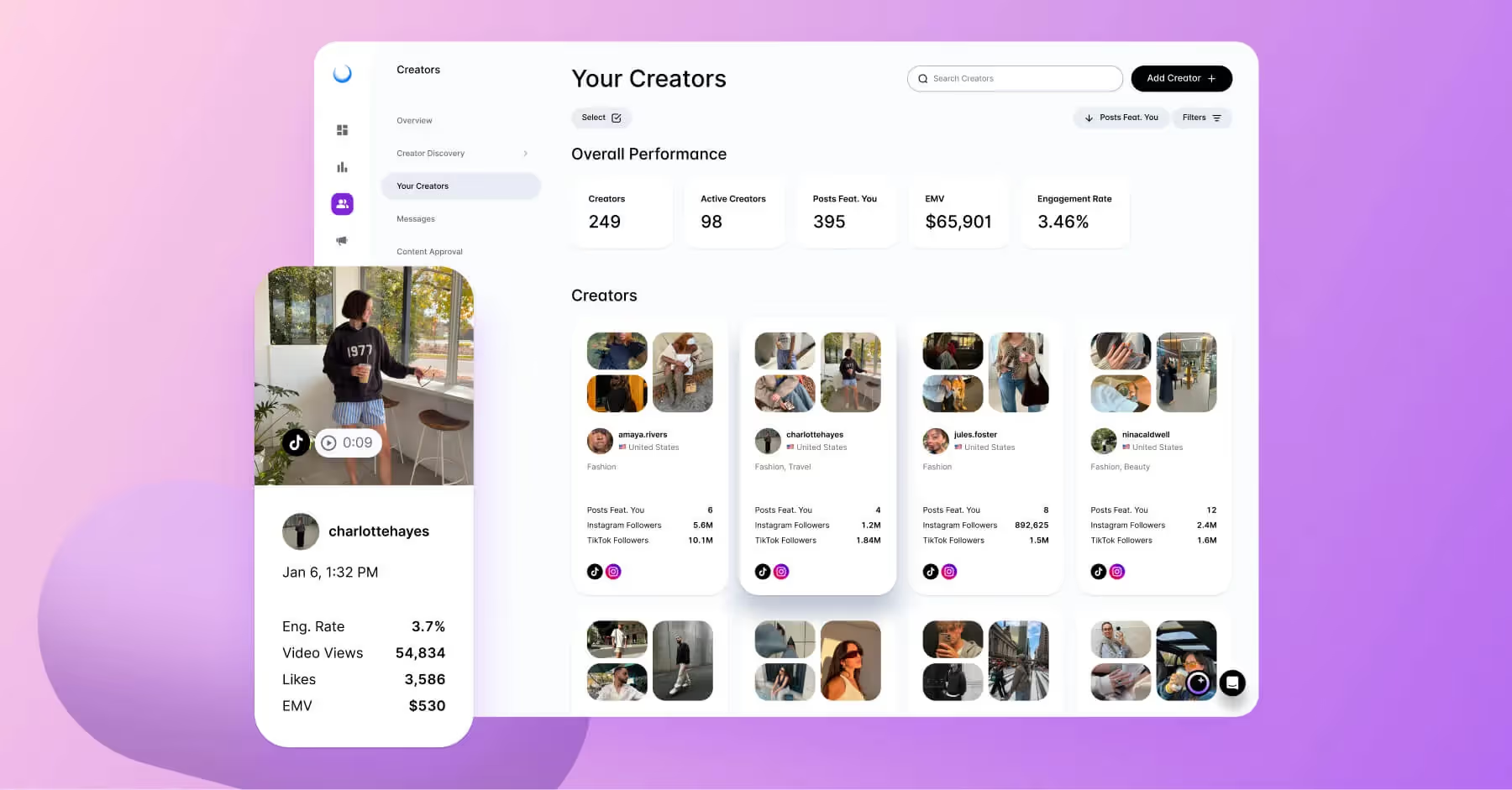
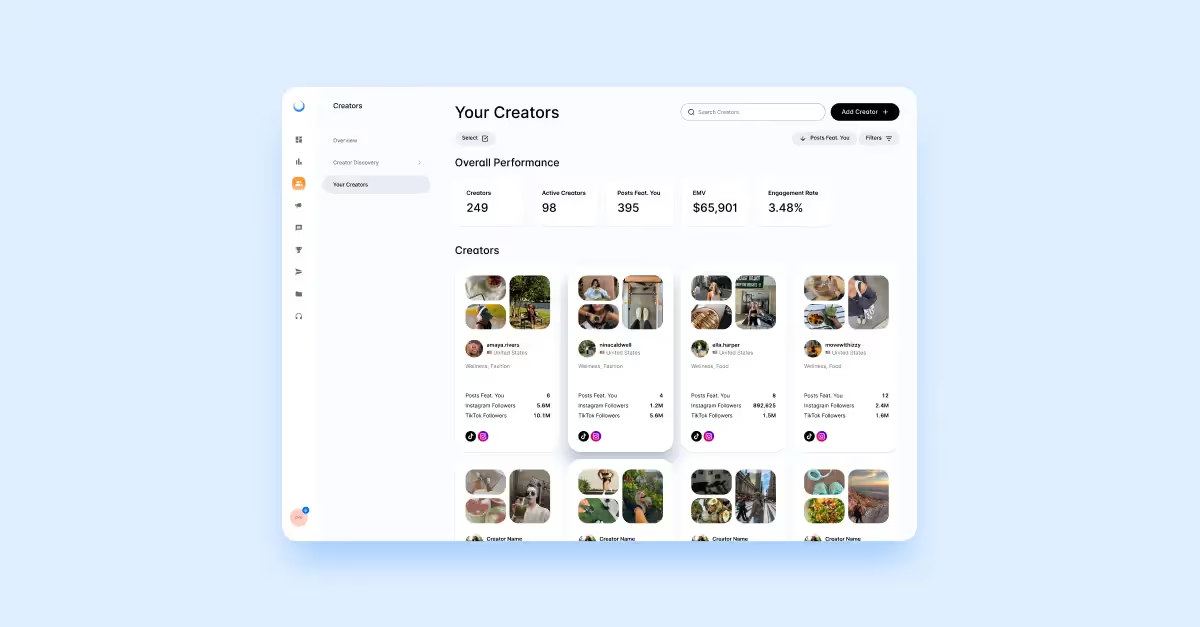
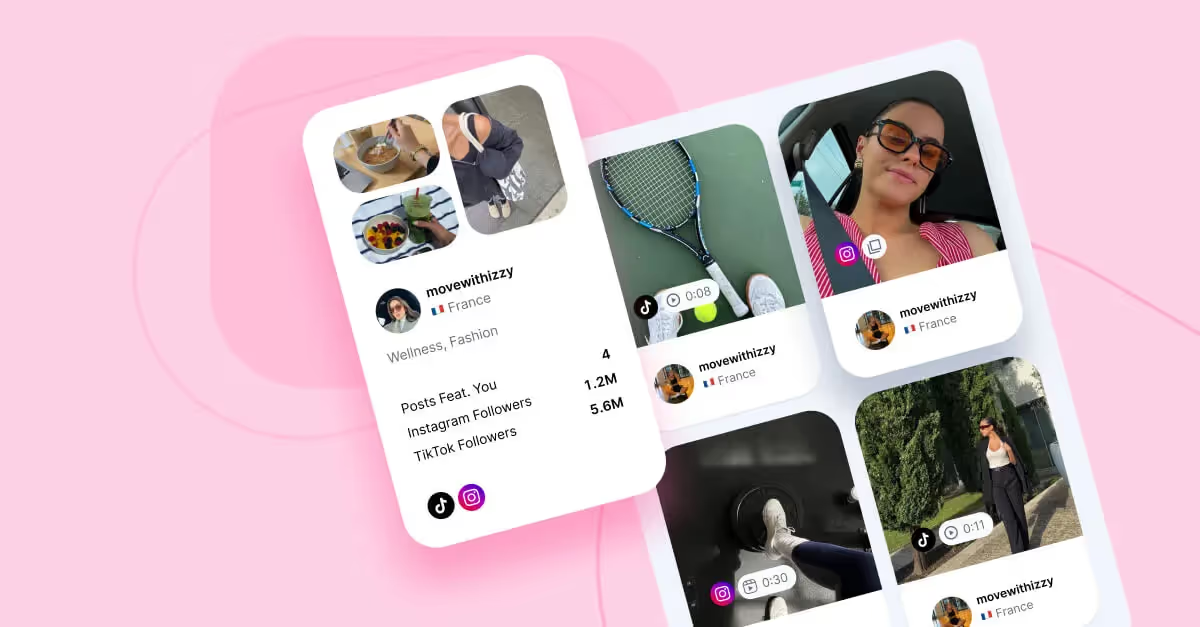
Dash Social tracks all the content in which a brand is tagged or @mentioned, ensuring that a meaningful partnership opportunity is never missed. Our Creator Management feature tracks and analyzes your creator and influencer partners with proprietary metrics like followers gained and EMV. This provides marketers with a seamless opportunity to report on the effectiveness of all of their social media partnerships in one place and to illustrate ROI over time.
Finally, Dash Social Campaigns provide a holistic overview of cross-channel campaign performance, highlighting which channels, content types, and creators are driving ROI for your brand.

Common Brand Ambassador Mistakes To Avoid
Brand ambassador programs have the potential to drive meaningful, long-term ROI, but only when executed thoughtfully. Here are some of the most common mistakes brands make (and how to avoid them):
1. Treating Ambassadors Like One-Off Influencers
Ambassadorships are built on sustained advocacy. If you approach ambassadors as short-term campaign vehicles rather than long-term partners, you lose the compounding trust and familiarity that drive conversions. Commit to consistency. Audiences need repeated exposure to believe in the relationship.
2. Prioritizing Follower Count Over Fit
A large audience doesn’t automatically translate to impact. Brands that focus solely on vanity metrics often overlook engagement quality, audience alignment, and brand affinity. Nano and micro-creators frequently outperform larger influencers because their communities are more engaged and trusting.
3. Over-Controlling Creative
Providing guidelines is important, scripting every post is not. Overly rigid briefs can strip away the authenticity that makes ambassador content effective in the first place. The most successful partnerships strike a balance between brand guardrails and creative freedom.
4. Failing to Set Clear Goals and KPIs
Without defined objectives, it’s impossible to measure success. Is the goal awareness, conversions, content creation, or community growth? Establish S.M.A.R.T. goals upfront and align compensation and reporting to those outcomes.
5. Neglecting Measurement and Reporting
Ambassador marketing is not a “set it and forget it” strategy. Brands that fail to track performance, including reach, engagement, EMV, conversions, and followers gained, risk underestimating or misallocating budget. A consistent reporting cadence ensures you can optimize partnerships over time.
6. Ignoring Legal and Disclosure Requirements
Ambassadors are extensions of your brand. Clear guidelines around disclosure (#ad), usage rights, and exclusivity are essential to protect both parties and maintain transparency with audiences.
When brands avoid these pitfalls and invest in authentic, long-term partnerships, ambassador programs shift from experimental spend to a predictable, scalable growth channel.
Brand Ambassadors FAQs
Do brand ambassadors get paid?
Yes, brand ambassadors are compensated. Sometimes they are compensated with free products or event admission in exchange for posting content. Other partnerships are well-suited to an affiliate model, where the ambassador is paid a monthly commission on sales originating from their affiliate links. While it’s important to pay your ambassadors fairly, given the deeper nature of the partnership you are trying to build, it is arguably just as important to prioritize interactions and (in-person) engagement opportunities.
In some cases, brand ambassadorship can impact a business to the point of equity. Nudestix has taken influencer marketing to the next level by elevating its beauty influencers into investors. As per Glossy, the brand has labeled these deals as a CSOP, or celebrity stock option plan. Essentially, in exchange for equity in the company, they are now “perma-influencers” for the brand.
How much do brand ambassadors get paid?
This depends on a multitude of factors, including the duration of the agreement, the scope of work, and the brand ambassador’s previous experience, among other things. The Influencer Marketing Hub breaks down how much influencers earn per post by channel. Keep in mind that longer-term brand ambassador partnerships should be mutually beneficial agreements over a sustained period, meaning content costs should decrease with a longer-term fixed agreement.
What skills should a good brand ambassador have?
A good brand ambassador should be creative, engaging, entertaining, and entrepreneurial. Ambassadors should be social media experts with a penchant for metrics.
Should brand ambassadors use offline tactics?
A brand ambassador should use whatever tactics are best suited to their skills. Generally speaking, brand ambassadors should be prepared to represent the brand offline through word-of-mouth. Brands often organize in-person events and brand activations, during which it is very common for brand ambassadors to attend.
How do I find brand ambassadors?
To find brand ambassadors, first tap into your existing customer and follower base. Brand ambassadors that start as authentic brand fans are often the best fit. What influential accounts are already following you? Second, check out your @mentions and tags to see who might be featuring your brand already. Next, check out some adjacent brands with similar audiences to yours to see what creators they’re working with.