Understanding the Creator Economy
Creators are at the forefront of digital marketing, here's how to harness the creator economy.


The creator economy has changed how brands earn attention, build trust, and turn social content into business impact. Creators are shaping culture across TikTok, Instagram, YouTube, podcasts, newsletters, and more, giving brands new ways to reach audiences through content that feels native, credible, and community-led.
For social teams, the opportunity is bigger than a one-off creator partnership. The strongest strategies use creators to test new formats, scale high-performing content, build relationships with niche communities, and connect social engagement to measurable results.
In this guide, we’ll break down what the creator economy is, why it matters for marketers, the trends shaping its future, and how brands can build smarter creator strategies with the right partners, workflows, and tools.
Key Takeaways:
- The creator economy gives brands a direct path to audiences through trusted voices, niche communities, and platform-native content.
- Creators and influencers can support different goals. Influencers help brands reach new audiences, while creators help brands produce content that feels native and performs across channels.
- Short-form video, creator-led brands, and stronger monetization tools are shaping how creators build influence and how brands partner with them.
- The strongest creator strategies use technology to find the right partners, manage relationships, measure performance, and connect creator content to business impact.
What Is the Creator Economy?
The creator economy refers to a digital landscape where individuals, often called creators, produce and share content across various online platforms, connecting with audiences and monetizing their content.
The creator economy represents a paradigm shift in content creation and distribution. Unlike the traditional media model, where gatekeepers control audience access, the creator economy empowers individuals to create and distribute content independently. Creators leverage platforms like YouTube, Instagram, TikTok and more to reach vast and engaged audiences.
The lines between creators and influencers can blur, but the key distinction lies in the depth of influence the creator has over their audience. Creators can build community through their content, but influencers typically have more extensive, dedicated audiences, allowing for more brand exposure when partnering with a brand.

Creator Economy Examples
The creator economy encompasses diverse spaces and platforms where creators thrive. Let's explore some key domains where creators make their mark.
Social Media
Social media platforms are at the forefront of the creator economy. Creators on Instagram, TikTok and YouTube craft content that entertains, educates and engages millions of users. These platforms provide creators with tools to connect directly with their audiences and monetize their content through brand partnerships, creator programs and more.
Podcasts
Podcasts have become a powerful medium for creators to share their stories, expertise and entertainment. From true-crime enthusiasts to business gurus, creators use podcasting to engage listeners in long-form content that resonates deeply with their audience while monetizing through advertisements and brand partnerships.
Patreon
Patreon is a platform that allows creators to generate income by offering exclusive content and experiences to their most dedicated fans. Creators can receive ongoing financial support from their patrons, creating a sustainable income stream. While other social media platforms are beginning to offer more ways for creators to monetize their content, like YouTube’s channel memberships and Instagram’s paid subscriptions, Patreon remains the most popular way for audiences to support their favorite creators directly.
Substack
Substack has revolutionized the world of newsletters and written content. Creators, including journalists, writers, and thought leaders, use Substack to reach their subscribers directly and monetize their writing.
Twitch
Twitch is a live-streaming platform that has become a hub for gamers and content creators. Its interactive nature allows creators to engage directly with their audience in real-time. Creators can monetize their content through brand partnerships, creator programs, and paid member subscriptions.
Size of the Creator Economy
Understanding the scale of the creator economy is vital. It's not just a niche industry; it's a global phenomenon with a colossal user and revenue base. According to a report by Goldman Sachs, the creator economy “could roughly double in size over the next five years to $480 billion by 2027 from $250 billion today.” This projection underscores the immense opportunities it presents for brands and marketers.
Creator Economy Trends
The creator economy is moving faster, getting more professional, and becoming more central to how brands build influence online. Creators are no longer just posting content for their own communities. They’re shaping platform culture, launching businesses, helping brands move faster, and turning social attention into measurable impact.
For marketers, the opportunity is bigger than a one-off partnership. The best creator strategies now blend short-form video, user-generated content, paid amplification, and long-term relationships with creators who understand how audiences actually behave on social. Here are the trends shaping what comes next.
Short Form Video
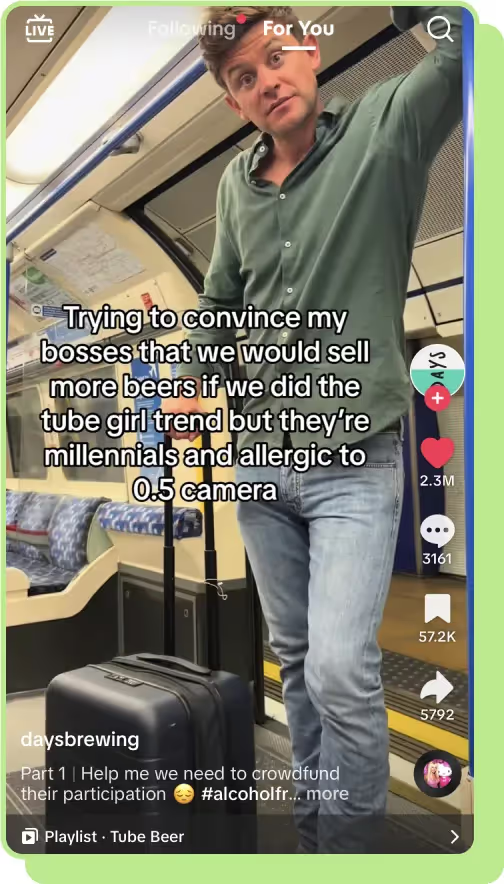
Short-form video is essential for creators and brands to succeed in the current social landscape. Creators leverage TikTok, Instagram Reels and YouTube Shorts to craft engaging and viral content in seconds and often can influence the culture of these platforms. Think of the now viral “Tube Girl” on TikTok, known for her unapologetic lip-syncing in the middle of a busy London Tube, inspired creators and brands to push their comfort levels with the Tube Challenge.
Take @daysbrewing for example, they took this trend even further, documenting their journey in their ‘Tube Beer’ series, which saw their team persuade the founders to do the viral trend. Their viral take on the trend saw over 14 million views, with the entire series garnering over 25 million views.
Creator-Led Companies
Some creators are expanding their influence by launching their own companies. For instance, podcast host Alex Cooper recently launched media and publishing company The Unwell Network. Initially, she signed top creators and influencers Alix Earle and Madeline Argy to produce cross-channel content targeted to the Gen Z audience.
Summer Fridays is another great influencer-created brand example that’s taking the beauty industry by storm. With an exceptional follower growth rate (19.3% - 2312.5% higher than Instagram’s average growth rate), they extend their creator-influence beyond their founders, with UGC and campaign partnerships to expand their reach, influence and engagement.
More Creator Benefits
Creators are reaping more benefits from platforms like TikTok's creator fund or Instagram’s creator marketplace, where they can directly monetize their content or find paying brand partners within a given platform. Rewarding creators is essential for platform loyalty, as seen when the now-defunct Vine creators migrated to YouTube and found success.
Platforms also provide creators with tools to help them create better content by providing more thorough analytics like the YouTube Creator Studio.
Future of the Creator Community
What does the future creators economy look like? Here are some key creator economy statistics to help you understand the future of social media creators.
AI Marketing
AI is becoming a bigger part of how creators plan, produce, and optimize content. From editing videos and generating captions to testing creative ideas and identifying what is most likely to perform, AI helps creators move faster without losing sight of what makes their content feel human.
For brands, the opportunity is using AI to make creator partnerships more strategic. Instead of relying only on instinct, teams can use predictive insights to understand which visuals, formats, and creator content are most likely to resonate before investing more time or budget.
The goal is not to replace creativity. It’s to give creators and marketers better signals, so they can make stronger content, scale what works, and connect creative decisions to measurable performance.
Short Form Video
Short-form video continues to shape how creators build audiences and how brands earn attention. Platforms like TikTok, Instagram Reels, and YouTube Shorts give creators fast, visual ways to entertain, educate, and influence their communities.
For brands, this format is especially valuable because it rewards content that feels native, timely, and easy to engage with. Strong short-form video can help teams test creative ideas, identify what resonates, and turn high-performing creator content into campaigns that scale across organic and paid social.
Creator and Brand Discovery
14.6% of creators reported that finding brand deals were their main challenge, while finding brands that align with their personal beliefs has also become a large focus in the coming years. In the future, creators will likely look for solutions that help connect them with brands that resonate with their audiences and become mutually beneficial partnerships.
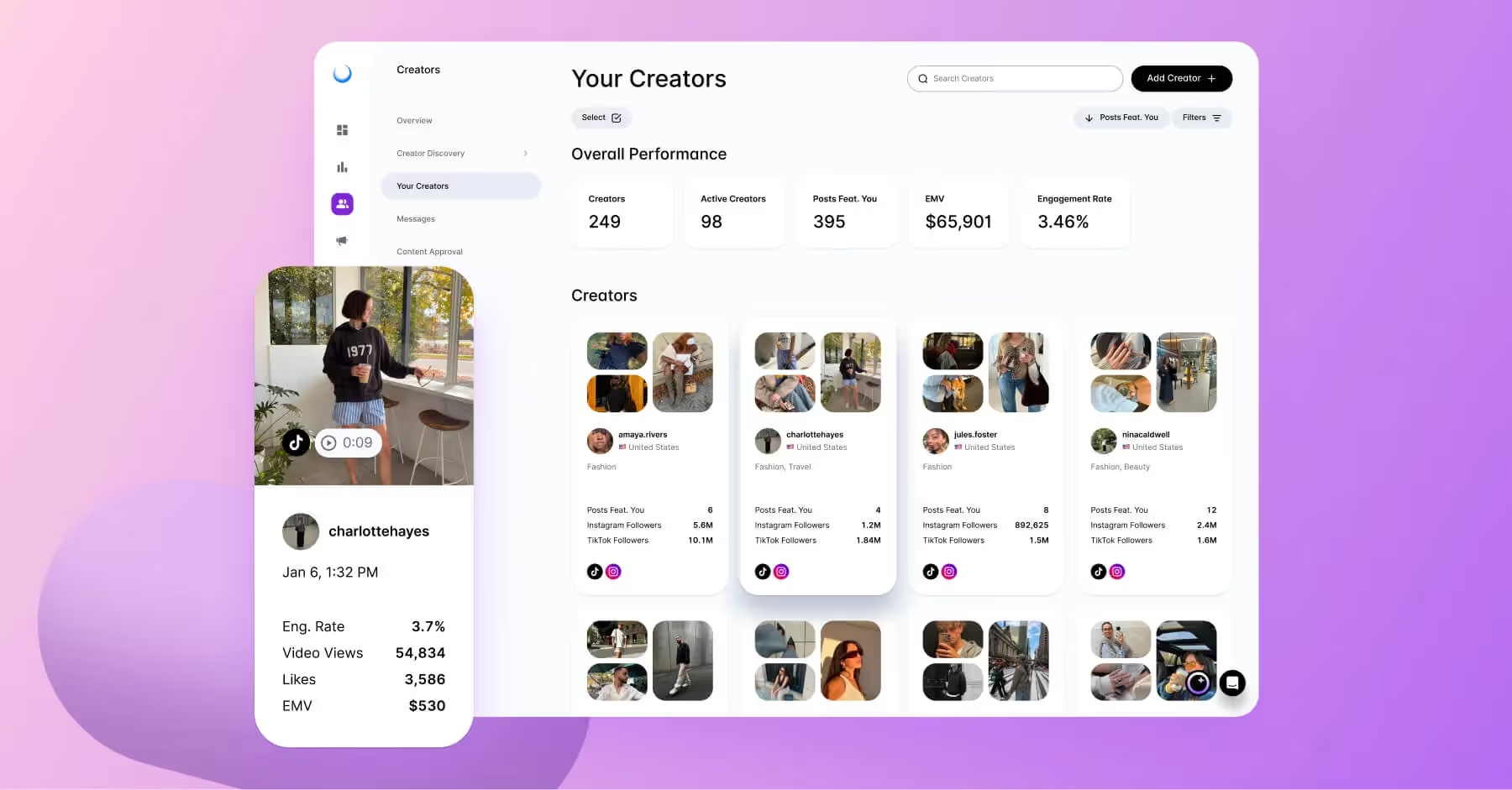
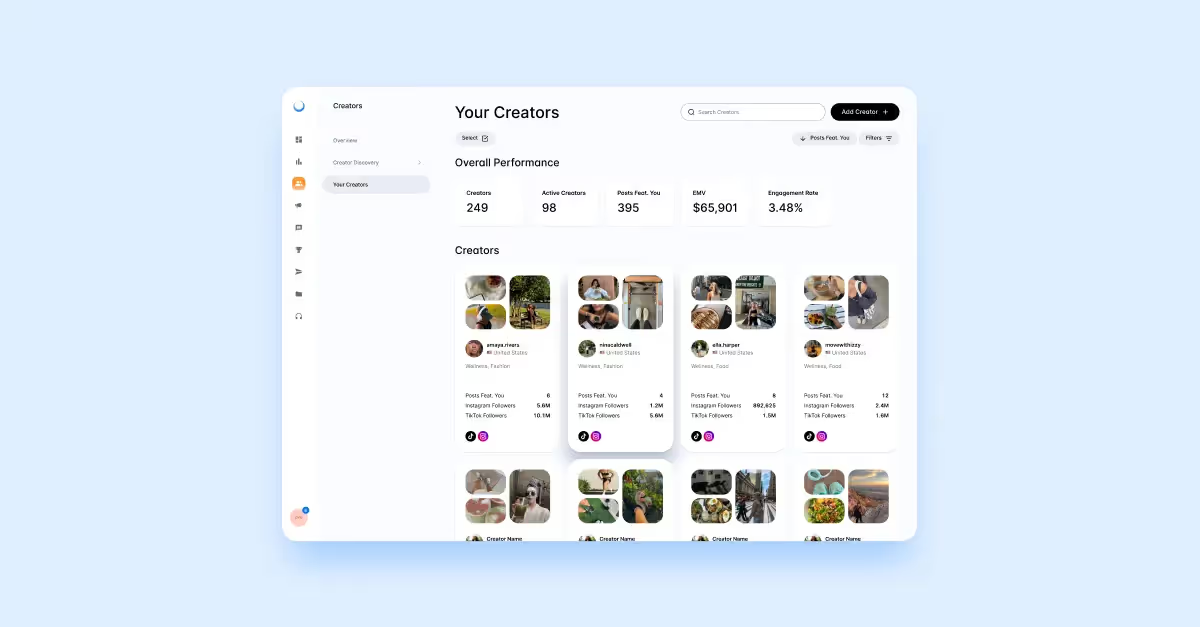
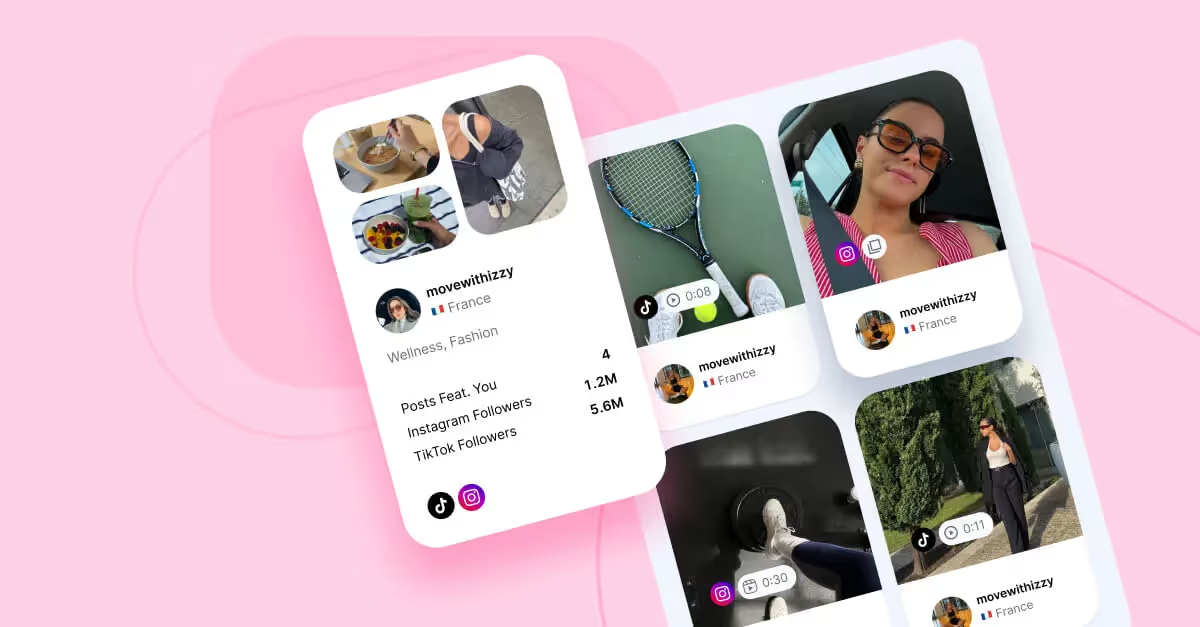
Tools like Dash Social's Creator Discovery can help brands find the best UGC creators to partner with, based on a range of factors like location, interests, followers, engagement rate and more.
Manage Creator Relationships With Dash Social
Navigating the creator economy can be complex for brands. Dash Social offers comprehensive solutions to support your creator and influencer strategies.
Measure the success of your influencer partnerships with Content Creator Tools. Remove manual or surface-level influencer tracking and seamlessly measure the ROI of your ambassador, influencer and gifting programs. We show you which posts and stories drive engagement and audience growth, maximizing the impact of your social media budget.
Streamline your brand's Creator Management. Effortlessly locate, vet and measure the impact of each of your biggest fans and content creator relationships. Beyond this, brands can grant content permissions, access UGC and compare performance from creators in a given campaign to determine which creators have the biggest impact.
Connect with your followers and potential creator partners in real time with Dash Social's Community Manager. Reply to direct messages, Tweets, Instagram Story mentions, and post comments in one easy-to-use inbox.

Creator Economy FAQs
How much is the creator economy worth?
According to Goldman Sachs, the creator economy is poised for exponential growth. By 2027, it could approach a staggering half a trillion dollars.
What is the creator economy market size?
The creator economy market size is projected to nearly double in size over the next five years to $480 billion by 2027 from $250 billion today.
How big is the creator economy?
The creator economy is vast and continuously expanding. With projected growth into the hundreds of billions of dollars, it's a formidable force in the digital landscape.