Target Audience: Definition, Examples, and How To Find Yours on Social
Understanding your target audience is the key to building a brand that connects, converts, and grows through social media marketing.

Contents
What Is a Target Audience?Target Audience vs. Target Market: What’s the Difference?Why Target Audiences Matter in Brand MarketingHow To Define Your Target AudienceHow To Find Your Target Audience on Social MediaTarget Audience Examples in Social Media MarketingBuild a Stronger Social Strategy by Understanding Your AudienceTarget Audience FAQs
In brand marketing, reaching the right people matters just as much as the message itself, and that begins with defining your target audience.
You can have stunning visuals, strong products, and a consistent posting schedule, but if your content is reaching the wrong people, it won’t strike the right chord, and your marketing efforts won’t drive meaningful results.
When you understand exactly who you’re trying to connect with, you can create more relevant campaigns, build a stronger community on social media, and grow your brand with intention.
Key Takeaways:
- A target audience is the specific group most likely to engage with and buy from your brand.
- Target audience and target market are related, but audience targeting is more specific and campaign-driven.
- Social media platforms make it easier than ever to reach niche target audiences through behavior and interest signals.
- The best way to find your target audience is through analytics, testing, and customer research.
- Strong audience targeting leads to better engagement, stronger brand loyalty, and more effective marketing spend.
What Is a Target Audience?
So, what is a target audience? A target audience is the specific group of people your brand wants to reach through its marketing efforts. These are the individuals most likely to:
- Be interested in your product or service.
- Connect with your messaging.
- Engage with your content.
- Make a purchase.
- Become loyal customers.
In other words, your target audience is the focus of your marketing efforts. The people your brand is speaking directly to. When you have a clear picture of who that audience is, you can create campaigns and content that feel more relevant and are aligned with the people who matter most.
Target Audience vs. Target Market: What’s the Difference?
Many marketers use the terms target market and target audience interchangeably, but they serve different purposes.
A target market refers to the broader group of consumers your business or brand is designed to serve.
For example:
- Target market: People who buy athletic wear.
A target audience, on the other hand, is a more specific segment within that market. One you’re focusing on with a particular message, campaign, or platform strategy
For example:
- Target audience: Gen Z women who follow fitness influencers on TikTok.
This distinction is especially important in social media marketing, where personalization and relevance play a major role in driving engagement and performance.
Why Target Audiences Matter in Brand Marketing
Reaching the right audience is a balance of visibility and connection. When you clearly define your target audience, you can:
- Build awareness with the right people.
- Create content that feels authentic and relevant.
- Strengthen emotional resonance and trust.
- Improve organic reach through engagement.
- Increase efficiency in paid advertising.
The clearer your audience, the stronger your brand positioning becomes. Social media has transformed audience targeting. Platforms like TikTok and Instagram surpass basic social media demographics. They surface content based on interests, behaviors, communities, engagement patterns, and trend participation.
That means your audience is more than who you want to reach; it’s also who the algorithm learns your content is for. Understanding your target audiences allows you to create content that fits naturally into the feeds of the people you’re trying to attract.
How To Define Your Target Audience
If you’re wondering how to define your target audience, the process starts with strategy, not assumptions. While every brand’s audience is unique, four core criteria help shape a clear target audience profile. These categories apply across industries, but it’s your answers within each one that reveal who your brand is truly speaking to.
1. Demographics
If you’re not sure where to begin, start with your current customers. They often provide the most valuable insight into who your brand is already attracting.
Demographics include measurable characteristics such as:
- Age.
- Gender.
- Income level.
- Education.
- Job role.
- Location.
For example: Men, ages 25–35, middle-income, post-secondary educated, healthcare professionals.
Your demographic profile should generally align with your ideal customer. If it doesn’t, that may be a signal that your marketing strategy or messaging needs to shift.
2. Psychographics
Demographics tell you who your audience is, but psychographics explain why they make decisions. Psychographics reflect the values, interests, lifestyles, and attitudes that shape your target audience’s identity. Your brand’s positioning should align with what your audience cares about most.
For example, your audience may be:
- Eco-conscious.
- Tech-obsessed.
- Wellness-driven.
- Cruelty-free focused.
To define these deeper traits, ask:
- What lifestyle does your product support?
- What habits does it fit into?
- What emotional benefit does it provide?
- What does using this product say about someone?
These psychological characteristics help define your audience beyond surface-level traits like age or location.
3. Behavior
Once you know your audience’s demographics and values, the next step is looking at behavior. How they actually engage, shop, and interact online.
Behavioral insights can include:
- Where they discover new brands.
- Their preferred shopping experience.
- Purchase frequency and habits.
- Content formats they engage with most.
- Platforms they spend time on.
Ask questions like:
- How do they search for products like yours?
- What influences their buying decisions?
- How do they engage with brands on social media?
These behavioral patterns help refine your target audience focus and strengthen your marketing positioning.
4. Needs and Pain Points
As you build your audience profile, the needs and challenges of your customers will start to surface. Your brand should clearly answer the problem your audience is trying to solve.
For example:
- A SaaS platform like Dash Social helps teams save time and improve social media management.
- A mattress company like Casper addresses the need for better sleep and comfort.
Identifying your audience’s needs and pain points is one of the most important steps in defining your target audience. It forms the foundation for your messaging, content strategy, and brand positioning.
When your brand becomes the clearest solution to a real customer problem, your marketing becomes more relevant, more compelling, and far more effective.
How To Find Your Target Audience on Social Media
Once you’ve defined your target audience through demographics, psychographics, behavior, and pain points, the next step is figuring out how to reach them where they spend their time. Social media platforms offer powerful tools and real-time signals that can help you refine your audience even further. By combining analytics, engagement insights, and content testing, you can discover exactly how to find your target audience on social media and build a strategy that connects with the right people consistently.
Below are three of the most effective ways to find and refine your target audience on social media.
Use Social Media Analytics
One of the fastest ways to understand your target audience is by using the built-in analytics tools available on most platforms.
Platforms like TikTok, Instagram, LinkedIn, and Pinterest provide detailed insights into who is interacting with your content and how your audience behaves over time. These tools help you move beyond assumptions and base your strategy on real data.
Social media analytics can reveal information such as:
- Audience demographics, including age range, location, and gender.
- Video and post performance, showing which content formats generate the most views or reach.
- Engagement trends, such as what type of content earns the most likes, comments, or shares.
Follower activity, including when your audience is most active online.
For example, you may think your target audience is interested in product-focused content, but analytics might show that behind-the-scenes storytelling consistently drives higher engagement.
Ultimately, analytics reveal what your audience actually responds to, not what you think they like, which is required for effective audience targeting.
Monitor Engagement and Community Signals
Analytics tell you what is happening, but engagement tells you why. Monitoring how people interact with your content is one of the strongest ways to understand whether you’re reaching the right target audience. Engagement is a direct signal of relevance, interest, and alignment.
Pay close attention to community signals such as:
- Comments and replies, which often highlight what your audience cares about or wants more of.
- Shares and saves, which indicate content that feels valuable or worth revisiting.
- Direct messages, where followers may ask questions or request product details.
- Frequently asked questions can reveal common pain points or topics your audience wants addressed.
For example, if followers repeatedly ask how to use a product, that may indicate an opportunity for more educational content. If comments show excitement around a specific theme or trend, that’s a clue you’re tapping into the right community.
Strong engagement is one of the clearest indicators that your brand is speaking to the right audience on social media.
Test Different Content Themes
Even with strong analytics, finding your target audience on social media often requires experimentation.
Social media is constantly evolving, and audiences don’t always respond the same way across platforms or content types. Testing allows you to discover what truly resonates and refine your strategy over time.
To identify what connects with your target audiences, experiment with different content themes, such as:
- Educational posts, like tips, tutorials, or industry insights.
- Behind-the-scenes storytelling, showing the people and process behind your brand.
- Trend-driven content, including popular memes, sounds, or cultural moments.
- Product-focused videos, such as demos, launches, or feature highlights.
Customer spotlights, including testimonials, UGC, or community stories.
As you test, track which themes consistently drive the most engagement, reach, and follower growth.
Then, double down on the formats and topics that align most clearly with your audience’s interests. Over time, this process helps you build a stronger content strategy that attracts the right people and strengthens your brand presence.
Target Audience Examples in Social Media Marketing
Having a solid grasp of your target audience is one of the most important parts of building an effective social media strategy. Different industries and even different customer segments within the same industry require unique approaches to platforms, content style, and messaging.
For example, a skincare brand trying to reach Gen Z consumers will often focus on TikTok, where short-form video trends and authenticity drive engagement. This audience tends to respond well to content centered around clean beauty, product routines, and influencer-led recommendations.
On the other hand, a B2B SaaS company may have an entirely different target audience, such as marketing managers or decision-makers looking for insights and solutions. In this case, LinkedIn becomes a key channel, with thought leadership content, industry expertise, and professional storytelling helping build trust over time.

Similarly, a fashion brand targeting trend-focused shoppers may lean heavily into Instagram Reels, using visually engaging, fast-paced content to showcase new styles, seasonal drops, and creator partnerships that inspire immediate interest.

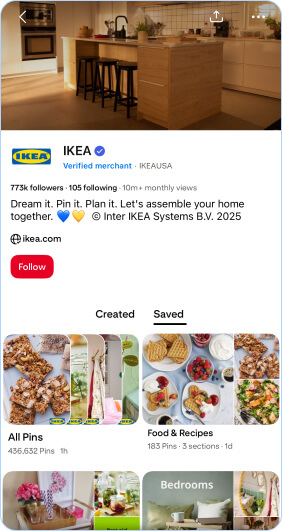
Meanwhile, a home brand aiming to connect with new homeowners might find the most success on Pinterest, where users actively search for inspiration and ideas. Content like curated boards, design tips, and DIY guides aligns naturally with the platform’s discovery-driven experience.
These examples highlight an essential truth in social media marketing: the more clearly you define your audience, the easier it becomes to choose the right platform, content format, and tone. Every target audience comes with different expectations, and tailoring your strategy accordingly is what drives stronger engagement and better results.

Try Dash Social Today
Less busywork, more growth. Find out how to save 10 hours each week with Dash Social.
Get a demoBuild a Stronger Social Strategy by Understanding Your Audience
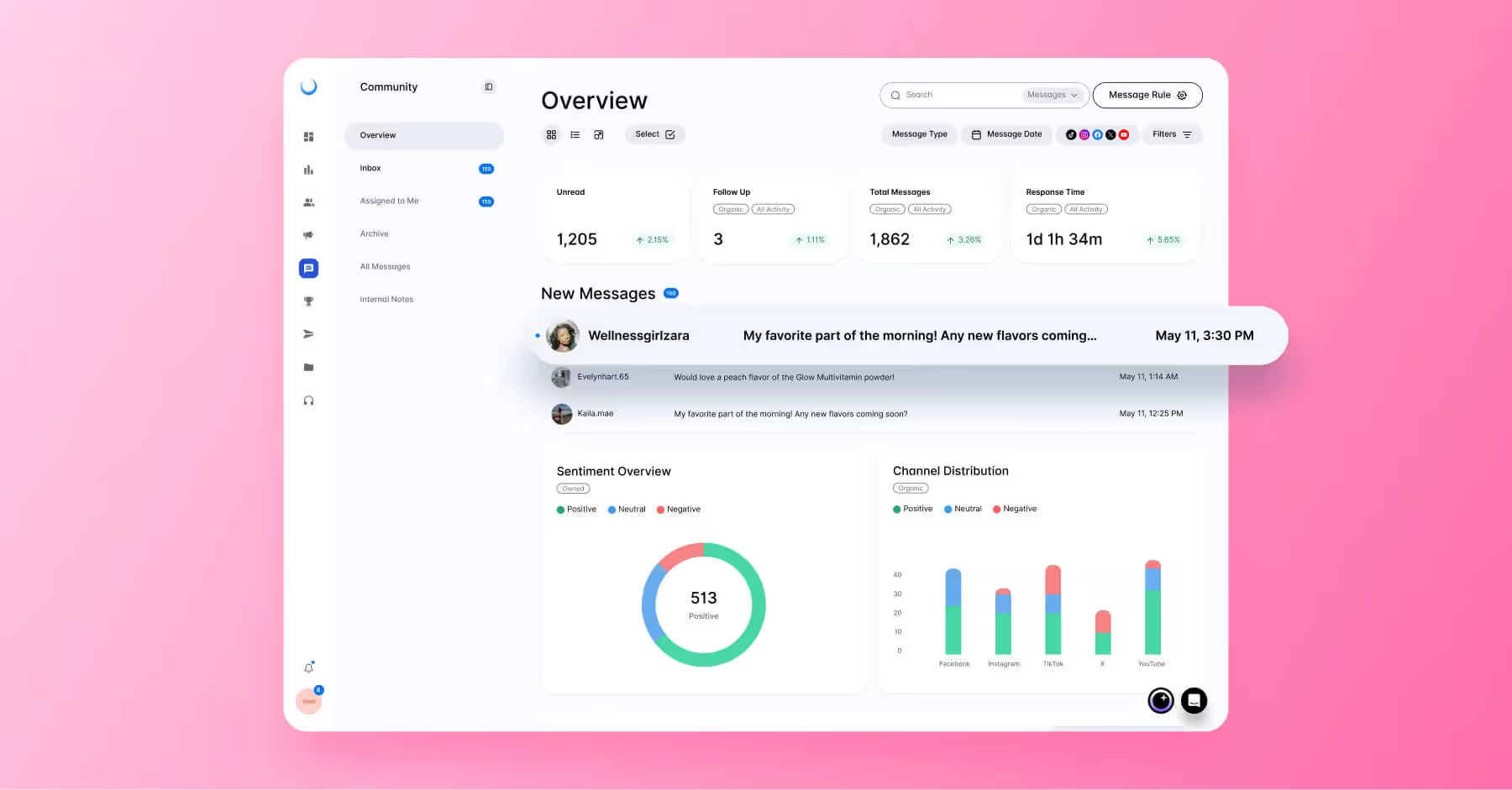
Knowing your target audience is one thing; reaching them consistently is another. Dash Social helps brands uncover audience insights, optimize content performance, and build social strategies that connect with the right communities across platforms.
With tools for social analytics, content planning, and community management, Dash Social makes it easier to turn audience understanding into measurable brand growth.
Target Audience FAQs
What is a target audience in marketing?
A target audience is the specific group of people a brand aims to reach with its messaging, content, and campaigns. They are most likely to respond positively to your product or engage with your content and convert.
What is the target audience definition for social media?
On social media, a target audience is the group most likely to interact with your content based on interests, behaviors, demographics, and platform activity.
How to create buyer personas from target audience data
You create buyer personas by turning raw audience data into a few realistic “profile stories” that capture who your best customers are, what they need, and how they buy.
How do you find your target audience?
You can find your target audience through customer research, competitor analysis, audience personas, and performance insights from social media analytics.
Why is audience targeting important?
Audience targeting ensures your marketing reaches the right people, improves engagement, strengthens brand loyalty, and increases return on ad spend.



.jpg)