GUIDE
Omnichannel Marketing Strategy Guide (Free Download)
Reaching your audience across multiple channels is no longer a luxury but a necessity. An omnichannel marketing strategy allows brands to seamlessly connect with consumers at various stages of the customer journey, creating a cohesive and personalized experience.
Download the Guide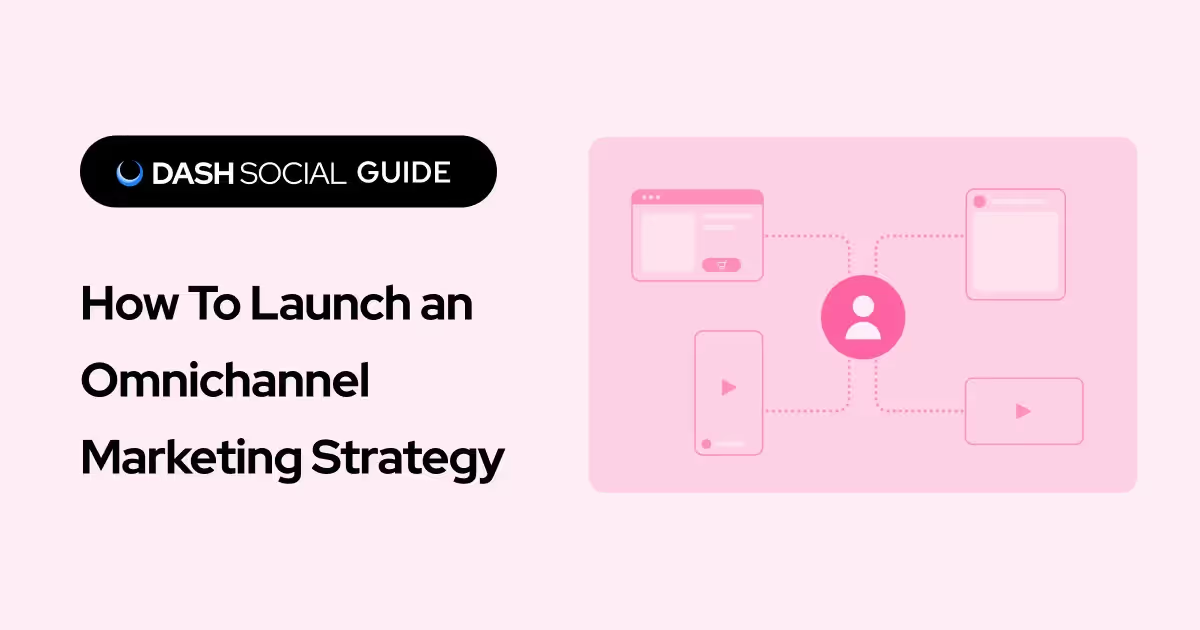
We all know by now that showing up in just one place isn’t enough. Brands need to be meeting their audiences wherever they are, whenever they’re there. An omnichannel marketing strategy makes this possible by connecting every touchpoint into one seamless, consumer-based experience.
From attracting new prospects with targeted ads and email campaigns to nurturing loyal customers with personalized content and offers, an effective omnichannel approach guarantees each interaction feels aligned and impactful at every stage of the journey.
What Is an Omnichannel Marketing Strategy?
An omnichannel marketing strategy is a coordinated marketing tactic that delivers connected, personalized experiences to customers across channels. Rather than serving the same message to everyone, it adapts content based on where a customer is in the funnel and how they’ve previously engaged with the brand.
For example, someone in the awareness stage might see an introductory ad on social media and receive an email announcing a new product, while a loyal customer could receive early access messaging, exclusive previews, and retargeted reminders to purchase. Each touchpoint works together to create an experience that moves customers from discovery to conversion.
Why It’s Important To Build an Omnichannel Strategy
As platforms and e-commerce channels continue to grow and change, consumer behavior has become more connected (and fragmented) than ever before. Today’s consumers move between social media, websites, email, mobile apps, and in-store experiences, expecting brands to keep up. Building an omnichannel strategy allows brands to meet these expectations with a cohesive journey rather than a series of disconnected interactions.
By integrating channels instead of managing them in silos, brands will strengthen trust, improve satisfaction, and drive more meaningful results.
Omnichannel Marketing Strategies From This Guide
This guide has been built with marketers in mind and to help brands that are striving to be omnipresent and create a consistent customer journey. Here’s what you’ll get from this guide:
- Understand how omnichannel marketing drives real business growth: Learn why leading brands invest in consistent branding and a strategic channel mix to create connected experiences that translate into stronger ROI, revenue, and long-term brand relevance.
- Identify the right path to omnipresence for your brand: Discover the three proven approaches brands use to build omnichannel strategies and how to choose the one that best supports your goals.
- Use each channel more strategically: Learn how different platforms serve different purposes in the customer journey, and how to optimize content and insights for each while ensuring they work together to amplify results.
- Maximize the impact of your content across channels: See how top-performing content and audience insights can be repurposed across paid, owned, and earned channels, helping you extend your reach and improve the efficiency of every asset you create.
- Leverage data and technology to strengthen your strategy: Gain understanding of features like cross-channel reporting, AI-driven insights, content segmentation, and competitive intelligence to help connect channels and drive ROI.
- Build a strategy that improves over time: Understand how continuous measurement, KPI tracking, and cross-functional collaboration enable brands to refine their omnichannel approach and consistently optimize performance.
Are you ready to level up your omnichannel strategy? Download this guide and start building a brand that shows up seamlessly, everywhere your audience does.
Omnichannel Marketing Strategy FAQs
What is an example of omnichannel marketing?
Many of the world's biggest brands are great examples of omnichannel marketing. Think Nike, Walmart, McDonald's or Starbucks. These brands have apps, social presences, email sequences and more to show up everywhere that consumers want them and need them to be.
What is the difference between omnichannel and multichannel marketing?
Simply put, an omnichannel marketing strategy consists of all channels working together, while a multi-channel approach is more siloed. Both strategies cover various channels, but omnichannel works synergistically and multichannel treats each channel individually.
What are the 4 C’s of omnichannel marketing?
The four C’s of omnichannel marketing are Customer experience, Content, Context and Collaboration. Each of these elements works in harmony to ensure that your omnichannel marketing strategy is doing what it’s meant to do: putting the customer at the forefront.