Digital Marketing Glossary
Omnichannel Marketing
Reaching your audiences takes more than showing up on a few platforms. It requires a cohesive, connected, omnichannel strategy. While omnichannel marketing can feel complex at first, the results and impact are unmatched. By prioritizing consistency and integrations across every touchpoint, brands can create seamless experiences that meet consumers where they are. The outcome? Stronger brand recognition, deeper customer trust, and a more unified presence across platforms and materials.
What Is Omnichannel Marketing?
Omnichannel marketing is a strategic approach that connects every brand touchpoint to create one seamless customer experience. Rather than treating each channel (think social media, email, website, etc.) as separate efforts, omnichannel marketing integrates them into a unified journey.
The goal is simple: ensure customers encounter a consistent message, look, and feel no matter where they engage with your brand. When executed effectively, omnichannel marketing drives conversions and creates memorable experiences that inspire customer loyalty.
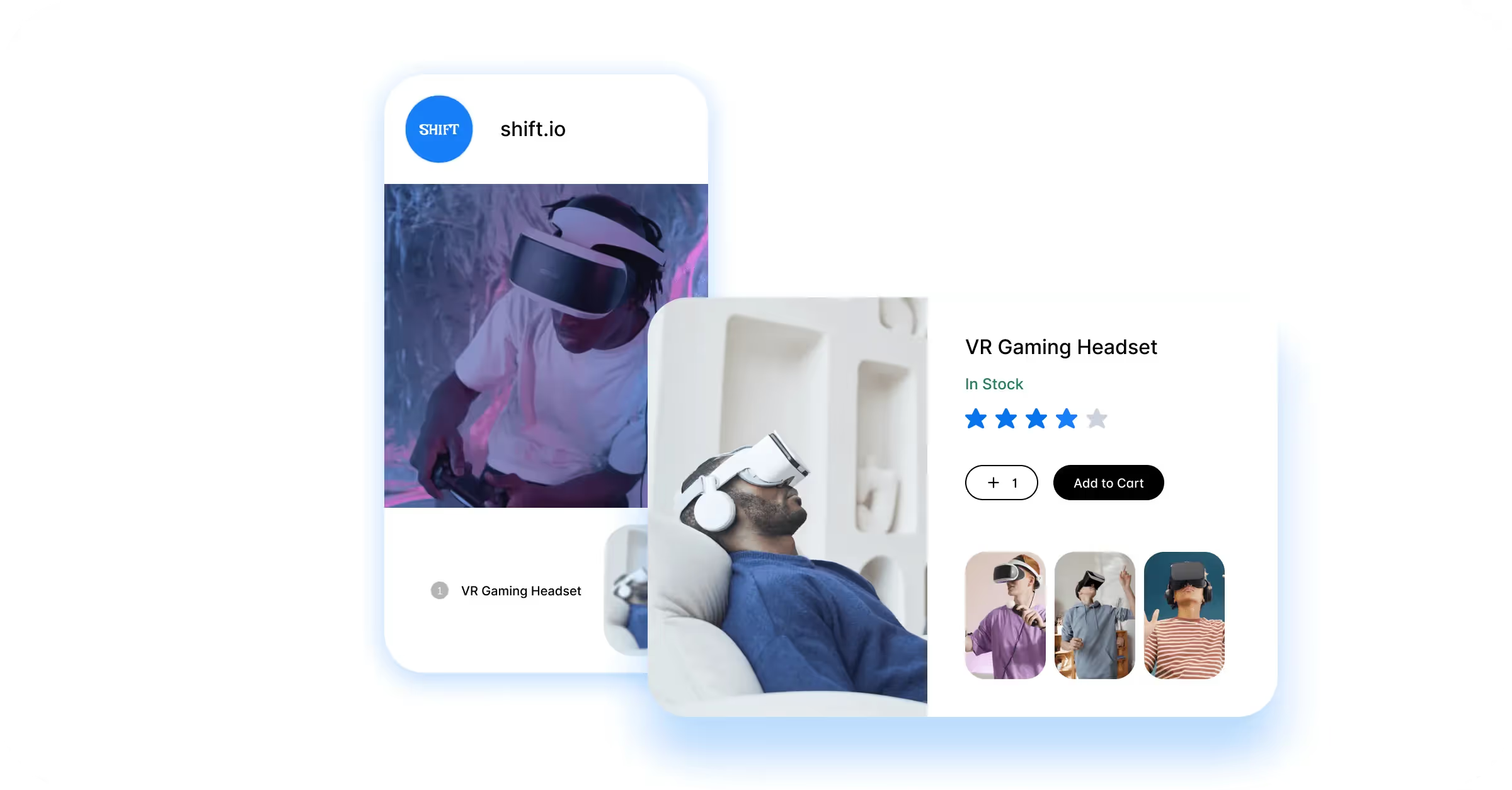
What is the difference between omnichannel marketing, multichannel marketing, and cross-channel marketing?
Marketers often confuse omnichannel marketing with cross-channel and multichannel marketing, but they are distinct strategies.
Multichannel marketing focuses on distributing content across multiple platforms, often managing each channel independently.
Example journey:
- You see a Facebook ad.
- Later get an unrelated email.
- The website doesn’t recognize you.
Multichannel = many channels, no coordination.
Cross-channel marketing connects multiple platforms so they work together, allowing brands to coordinate messaging and guide customers from one channel to another throughout their journey.
Example journey:
- Click LinkedIn ad → download guide.
- Receive email follow-up.
- See related ads on other platforms.
Cross-channel = channels connected and influencing each other.
Omnichannel marketing, on the other hand, connects those channels to create a more personalized experience that adapts to customer behavior throughout the sales funnel.
Example journey:
- Browse a product on a mobile app.
- Continue on desktop.
- Buy in-store.
- Customer support already knows your history.
All touchpoints know who you are and where you are in the journey.
Instead of simply maximizing reach, omnichannel strategies prioritize consistency, integration, and customer experience at every stage of the journey. By aligning messaging and touchpoints, brands can drive stronger results and generate higher sales than traditional multichannel approaches.
What Are the Benefits of Omnichannel Marketing?
Omnichannel marketing offers brands a more connected, customer-centric approach that drives stronger engagement, loyalty, and measurable business growth. Here are a few additional benefits that come along with a strong omnichannel marketing presence:
Improves user experience
With omnichannel marketing, customers can move smoothly from social media to a website, email, or in-store experience without having to restart their journey every single time. Because each channel is informed by user behaviour, interactions feel more personal and relevant, which helps brands build trust based on the more convenient and cohesive experiences users are having.
Increases revenue and conversions
A seamless omnichannel experience removes friction from the buying journey, no matter where they engage with your brand. When shoppers can browse, explore, and check out across social media, your website, and other touchpoints without disruption, they’re more likely to convert.
That said, driving that traffic and revenue across channels can be challenging, especially with constantly evolving algorithms and native shopping tools. Link-in-bio solutions like LikeShop help bridge the gap between social content and your website, giving users a simple, intuitive path from inspiration to product pages.
Avoids consumer fatigue
We all know how it feels to be bombarded with the same ad over and over and over. Omnichannel marketing helps avoid consumer fatigue by delivering coordinated, relevant messaging instead of repetitive, disconnected promotions across channels. When platforms work together, brands can tailor content based on customer preferences, which reduces the likelihood of them seeing the same generic ad. Omnichannel marketing makes it so the audience receives the right message at the right time.

How To Build an Omnichannel Strategy That Works
Not all omnichannel strategies are built equally. To help brands build a more connected marketing ecosystem, we’ve outlined several core steps that can guide the development of a successful omnichannel strategy.
Data collection and journey mapping
Data collection is an important first step when planning your omnichannel strategy because it provides the insights needed to understand your audience, their behaviors, and how they move across channels. By analyzing data from sources like social engagement, website analytics, CRM systems, and purchase history, brands can identify key touchpoints and drop-off points in the customer journey.
This foundation allows marketers to build a strategy rooted in real data rather than assumptions, making sure messaging, timing, and channel selection are aligned to create the best possible experience from the start.
Audience segmentation
Audience segmentation confirms the belief that not all consumers behave, engage, or convert in the exact same way. Brands can group audiences based on factors like demographics and engagement patterns to ensure that each segment is receiving relevant, timely communication, rather than a one-size-fits-all experience.
Channel evaluation
Use this step to take a look at all of the channels you have at your disposal and which ones you want to leverage. What defines omnichannel marketing isn’t the quantity of channels, but how well they work together. The goal is to create seamless communication and consistent brand representation at every stage of a customer's journey, ensuring that each interaction feels intentional.
Message consistency and frequency
The consistency and frequency of the content in your omnichannel marketing strategy help shape how customers perceive and engage with your brand. Consistency builds recognition and trust, while carefully managing frequency prevents oversaturation and mixed signals. Striking the right balance between alignment and cadence creates a more seamless journey that reinforces your message while maintaining a positive customer experience.
Measure success
Like any marketing initiative, performance tracking is essential to ensure your efforts are driving meaningful results. Measuring omnichannel success starts with understanding how effectively your strategy moves customers through the entire journey, from awareness to purchase and beyond.
To evaluate impact, focus on metrics that reflect the full funnel, like reach, impressions, and engagement for brand awareness or lead-to-customer performance and sales attribution for conversion rates. True omnichannel success is just about visibility; it’s about creating connected experiences that convert prospects and keep them coming back.
Examples of Omnichannel Marketing by Industry
If done right, no omnichannel marketing strategy should look the same. Every brand will have its own mix of channels, content, and target audience that makes the strategy uniquely theirs and theirs alone. But that doesn’t mean we can’t use the best of the best for some inspiration. Below, we discuss some of the biggest brands in their industries and how they’re taking omnichannel marketing to the next level.
Beauty Industry: Glossier
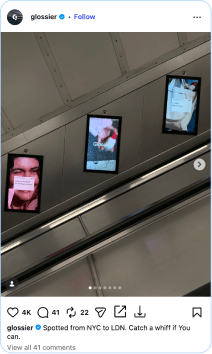
Glossier evolved from a community-first, digitally native DTC (direct-to-consumer) brand into a balanced retail and wholesale giant, all without losing its identity. The team at Glossier works hard to leverage community feedback, social engagement, and data to fuel product development, online growth, and expansion offline (selling in Sephora).
CPG Industry: Unilever
Unilever seamlessly integrates large-scale brand building with retail-driven commerce across its global portfolio. The company pairs culturally relevant, purpose-led campaigns with trailer-specific execution, adapting creative for platforms like Amazon and Walmart to drive conversion, rather than repurposing generic brand assets.

Fashion Industry: H&M
H&M is a strong omnichannel fashion brand, seamlessly integrating its global network of physical stores with a sophisticated digital and mobile ecosystem. The brand’s app and loyalty program unify customer accounts, rewards, purchase history, and personalized offers across online and in-store touchpoints, enabling features like real-time inventory visibility and more.
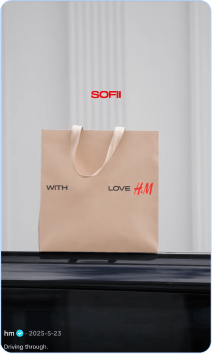
With synchronized global campaigns, influencer collaborations, and limited-edition drops across social, email, e-commerce, and physical retail, H&M ensures coordinated and consistent demand generation.
STRATEGY GUIDE
How to Launch an Omnichannel Marketing Strategy

Omnichannel Marketing FAQs
What is omnichannel personalization?

Omnichannel personalization is the practice of tailoring messaging, content, and experiences across all channels based on a customer’s behavior, preferences, and buying readiness.
How many channels are included in omnichannel marketing?
There is no fixed number of channels required for an omnichannel marketing strategy. Instead, omnichannel marketing includes every platform and touchpoint where your brand interacts with customers, whether that’s social media, email, your website, paid ads, in-store experiences, or even customer support.
How do you measure omnichannel success?
Understanding how you perform is crucial to driving your brand in the right direction. When you are trying to determine the performance of your omnichannel marketing efforts, you need to consider metrics that showcase brand awareness, conversion rates, and retention, as omnichannel marketing is only successful if you’re turning your potential customers into buyers.