How Social Media Marketing for Small Businesses Is Different
Social media marketing can give brands an edge above competitors, without the cost of traditional advertising. Find out how,
.avif)

While expensive, traditional advertising like television commercials and billboards have been a challenge for small businesses, social media lets small brands establish a strong online presence, build a community, and attract valuable customers without expensive overhead.
In this article, we discuss the importance of social media marketing for small businesses and discover actionable insights on leveraging Dash Social's powerful tools.
TL;DR:
- Social media builds brand awareness, drives engagement, and offers cost-effective marketing compared to traditional channels.
- Platforms like TikTok, Instagram, and YouTube allow small businesses to connect with the right audience through precise demographic and interest-based targeting.
- Scheduling content, managing communities, leveraging social commerce, and collaborating with local influencers all boost visibility and conversions.
- Engagement builds loyalty, with real-time interactions and community management fostering repeat business, trust, and word-of-mouth growth.
How Important Is Social Media Marketing for Small Businesses?
Social media marketing has become a game-changer for small businesses. It goes beyond just having a presence on social platforms; it's about utilizing these channels strategically to gain a competitive edge.
Brands focused on maximizing their content efforts should consider a multi-channel strategy to increase their overall impressions and engagement — but it’s important to select channels that fit best with your brand’s goals. Brands that are already on social media should not only consider which channels their customers are already most active on, but which channels local users are most active on in an effort to increase web and foot traffic.
From there, analyze existing goals and select the best channels to implement your social strategy on. Does your brand want to attract a new social media demographic, like Gen Z? Perhaps TikTok should be a focus for your brand. If your brand has strong conversion goals, marketing on YouTube can also be impactful with 61% of people in the United States trust YouTube to find and purchase products in the United States.
Unlike larger organizations with established brand recognition, small businesses often need to work harder to reach their target audience and build awareness. Social media platforms provide an accessible way for these brands to connect with their local customers, promote their products or services and grow their brand presence.

Benefits of Social Media Marketing for Small Businesses
Social media marketing for small businesses helps broaden reach and engage with a larger audience at a lower cost compared to traditional paid marketing methods. Besides being an affordable, budget-friendly marketing avenue, small business social media marketing offers several additional benefits such as:
- Amplified reach: Social media platforms have billions of active users, offering a vast audience that can be reached with the right content marketing strategy. By leveraging this tactic, small businesses can extend their reach far beyond their local market and connect with potential customers globally.
- Enhanced brand awareness: Establishing a strong brand presence is crucial for small businesses, and social media provides the ideal platform to do this. Through consistent and engaging content, businesses can increase their brand visibility, create a recognizable identity and foster a loyal community of customers.
- Targeted advertising: Social platforms offer advanced targeting capabilities, which allow small businesses to reach their specific target audience with precision. By leveraging social media demographics, geographic and interest-based targeting options, businesses can maximize the impact of their advertising efforts and ensure that their message reaches the right people at the right time.
- Cost-effective marketing: Compared to traditional marketing channels, social media is often considered the best way to advertise a small business as it offers a more cost-effective approach for small businesses concerned with pricing. With targeted advertising options and the ability to organically engage with their audience, brands can achieve a higher ROI while keeping their marketing budget in check.
- Real-time customer engagement: Social media provides a direct line of communication between businesses and their customers. It enables businesses to engage with their audience, respond to inquiries and feedback and build strong relationships. This real-time interaction fosters trust, loyalty, and customer satisfaction, which all contribute to healthy business growth.
How Effective Is Social Media Marketing for Small Businesses?
Data from a 2021 survey of U.S. business executives reveals significant trends in social media commerce adoption among small businesses. Of the small businesses surveyed, approximately 57% already utilized social media platforms for selling their products or services. What's more noteworthy, 71% of these small businesses have expressed their intention to venture into social commerce within the next three years.
These statistics underscore the growing recognition among small businesses of the immense potential and benefits social media offers as a powerful sales channel. Brands should look to these strategies to set themselves apart on social media and stand out against local competitors:
- Collaborating with local influencers: Partnering with local influencers allows small businesses to tap into their follower base and reach a wider audience, thus diversifying their customer base.
- Building brand loyalty: By engaging with customers on social media, small businesses can foster a sense of community, loyalty and trust, resulting in repeat business and positive word-of-mouth referrals.
- Sharing promotions and sales: Social media channels provide an excellent avenue for small businesses to promote special offers, discounts and sales events, attracting new customers and driving conversions.
6 Social Media Marketing Tips and Tools for Small Business
Small businesses must adopt effective strategies to stand out, engage their audience, and drive results. This section explores essential social media marketing tips that explain how to use social media for small business. Whether you're just starting out or looking to enhance your existing presence, these easy-to-action insights, along with handy tools for implementation and performance monitoring, will empower you to build a successful social strategy that delivers results.
From scheduling content ahead of time to harnessing feedback with AI-powered social listening, we guide you through best practices that can elevate your online presence and contribute to your business's success.
1. Schedule Content Ahead of Time
Efficiently manage your socials by scheduling your content in advance. With a multi-channel social media scheduler tool, you can plan and organize your static posts, Reels and video content ahead of time, ensuring a consistent and timely presence across multiple platforms.
2. Focus on Community Management
Community management is essential for small businesses as it allows them to engage with their audience, respond to inquiries and build meaningful relationships. Although important, managing an online community demands significant time and dedicated attention to nurture and sustain meaningful connections. If building, growing and neutering a community is the focus of your small business strategy, exploring community management tools to help manage and foster your online community is a must.
3. Tap Into Social Commerce
Incorporate social media tools into your e-commerce marketing strategy to directly sell your products or services through platforms. There are numerous tools available that facilitate seamless social commerce integration, making it easier for small businesses to drive sales and conversions.
4. Test Out Paid or Sponsored Posts
Allocate a portion of your marketing budget to test paid or sponsored posts on social media platforms. Dash Social can help you analyze the performance of these posts, allowing you to optimize your advertising strategy and maximize your return on investment.
5. Work With Local Influencers
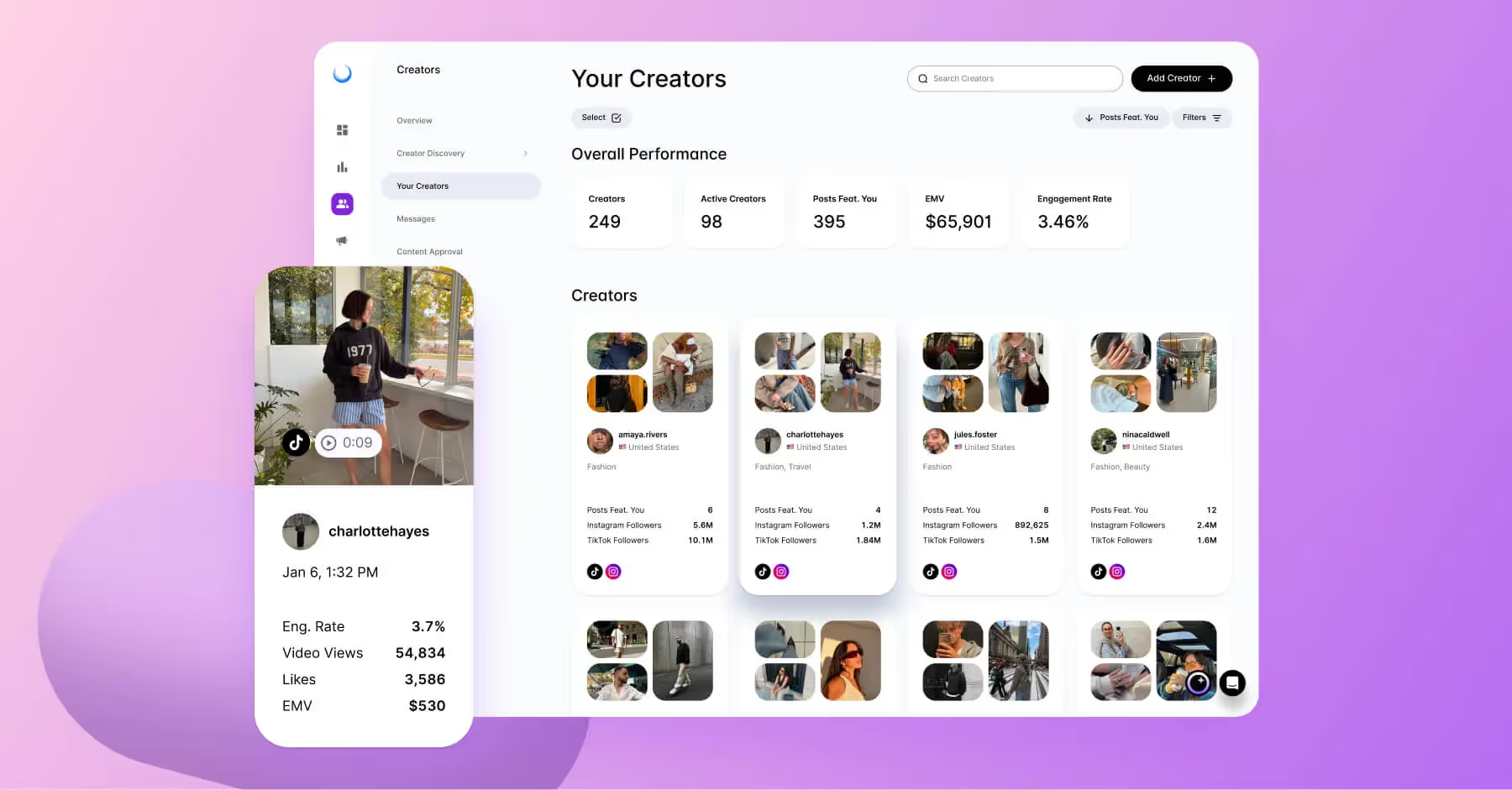
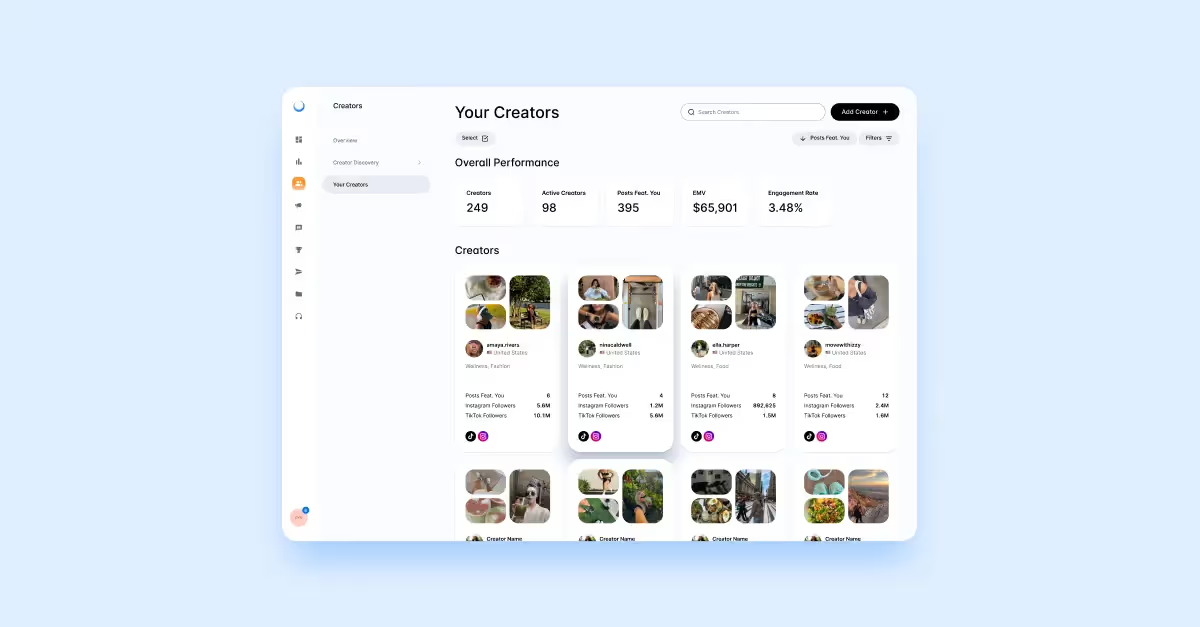
Collaborating with local influencers can help small businesses expand their reach and connect with a new audience. Dash Social's influencer measurement tools simplify the process of identifying, engaging, and tracking the performance of influencers, ensuring a successful partnership.
6. Incorporate Social Listening into Your Strategy
Utilize social listening tools to monitor conversations and gather insights about your brand, industry, and competitors. Dash Social's Social Listening Trends and Topics feature enables you to stay informed, identify trends, and adapt your marketing strategy accordingly.
FAQs
Which social channels should small businesses have?
The choice of social channels depends on your target audience and industry. However, some popular platforms for small businesses include Facebook, Instagram, Twitter and if you're creatively inclined, TikTok. Conducting market research and understanding where your target audience spends their time online will help you determine the most suitable social channels for your business.
What can social media do for a small business?
Social media can benefit small businesses in multiple ways. It helps increase brand visibility, engage with customers, drive website traffic, generate leads and boost sales. Additionally, social media provides valuable customer insights, facilitates customer service, supports brand storytelling, and allows targeted advertising.
How much does it cost to run social media for a small business?
The cost of running social media for small businesses can vary based on factors such as internal resources, advertising budget, content creation expenses, and social media management tools. It is important to assess your specific needs and allocate a budget to effectively manage and grow your social media presence.