How To Sell on Instagram With LikeShop (2026)
Sell smarter on Instagram with social commerce tools and strategy.
Contents
Why Sell on Instagram?How To Sell on Instagram in 5 StepsHow to Set Up Instagram ShoppingInstagram Selling StrategiesMaking the Most of Your Social Media Marketing ToolsLikeShop Benchmarks by Industry and Follower AmountLikeShop Benchmark Findings: Tips for Selling on InstagramWhat Is the Easiest Way To Sell on Instagram?How To Sell on Instagram FAQs
By 2027, individual money spent on social commerce sales is expected to nearly double. This means learning how to sell on Instagram is fundamental to a strong social commerce and Instagram strategy.
For brands that want to increase web traffic and monetize their Instagram accounts in one step, Dash Social's LikeShop is the must-have solution. With a single click, followers can go from your Instagram feed to any page on your site. It’s simple, seamless, and helps users easily find precisely what they’re looking for.
Key Takeaways:
- Social commerce is growing fast, making Instagram a critical sales channel. With consumer spending on social shopping expected to nearly double by 2027, brands that learn how to sell on Instagram now will stay ahead of the curve.
- Instagram drives discovery and conversion in one place. Features like Shops, product tags, and link-in-bio solutions reduce friction and help users move from browsing to buying more seamlessly.
- A successful selling strategy requires more than just product posts. Reels, Stories, influencer partnerships, and user-generated content all play a major role in building trust and motivating purchases.
- Tracking performance and benchmarks is essential for growth. Tools like Dash Social’s LikeShop help brands measure click-through rates, optimize content, and turn Instagram into a consistent revenue-driving channel.
Why Sell on Instagram?
Before jumping into how to sell on Instagram, first, let’s explain why selling on Instagram is a good idea for your brand and its benefits. If your brand has an Instagram account, it’s safe to say you share content that educates and informs your audience about your brand’s products, services, and the solutions they provide. By not complementing this content with a checkout page, you risk losing potential customers during an essential part of their purchase journey.
Besides being one of the most popular social media apps with a massive user base, Instagram is also highly engaging. These high levels of engagement are the perfect opportunity for brands to share, promote, and sell products to consumers and followers who are genuinely interested.
Centering Instagram in your e-commerce strategy helps boost brand exposure, drives product discovery, and eliminates the middleman that can lead to consumers leaving your sales funnel. Selling on Instagram makes it easier for users to discover products and move seamlessly from inspiration to purchase.
So, what other benefits come from selling on Instagram?
Increased Reach
Instagram is home to over 180 million active users in the United States. Accounts that post a varied mix of content have a better chance to maximize their reach. If brands don’t utilize Instagram for sales, your brand stands to lose ground to competitors on Instagram and miss a captive audience seeking brands similar to yours.
Boost Traffic
Simply put, Instagram is an excellent place for new users to discover your brand. A robust Instagram presence creates another avenue for your audience to discover your profile and head to your website. Employing social media SEO will help your social accounts be found via the Instagram algorithm and even through traditional search channels like Google.
Add Another Sales Touchpoint
With Instagram Shops, brands can use Instagram to promote their content in meaningful ways from personal stories from users and influencer partnerships, to educational carousels, all while having a convenient path for conversion straight from your post. Creating an intuitive, convenient, natural customer journey is a massive perk of selling on Instagram.
Foster Community
Instagram is an ultra-engaged platform with a huge possibility of reaching engaged users and building a community. Features like Channels allow creators and brands to communicate directly with their communities and share exclusive updates.
As Instagram introduces more community-minded features, brands should leverage these to foster a sense of community. This also presents a great opportunity to use tools like AI-powered social listening to analyze community sentiment and understand your audience’s unique wants and needs.

How To Sell on Instagram in 5 Steps
Brands engaging followers through meaningful connections are more likely to entice them into shopping on Instagram. Here’s what brands should consider when crafting their social commerce strategy and which steps you should follow to build your selling strategy on Instagram:
1. Map Out Goals, Strategies, and Tactics
The first part of any great Instagram commerce strategy is defining your goals and which tactics you’ll use in your strategy to reach them. Defining goals will inform your whole strategy, so it’s important to know what you want to get out of selling on Instagram before you start creating and posting to reach them.
For example, if your goal is to expand your current customer base, you might strategize around boosting ads that target a new demographic. Suppose you have a major goal to expand your existing customer base. In that case, you can dive into user analytics from your profiles and use competitive insights to determine which content your audience liked best in the past six months or even the entire year.
2. Create Reels
Short-form video content is one of the most popular ways to consume content as audiences become increasingly focused on social entertainment. Instagram Reels are an effective way to grow your business and show your audience the tangible benefits of the products or services you’re trying to promote. This might be the outcome, the tactile experience of using the product, or a partnership with nano or micro-influencers who share their thoughts and opinions with their audience.
3. Set Up Instagram Shops, Tags, and Collections
Instagram remains a valuable platform for social commerce, offering brands multiple ways to showcase products, engage shoppers, and drive conversions.
One of the most effective ways to sell on Instagram is by setting up an Instagram Shop, which allows businesses to create a storefront directly on their profile and make it easier for users to discover products.
- Log in to your Instagram Business account.
- Create or connect a product catalog through Meta Commerce Manager.
- Verify your website/domain.
- Connect your Instagram account to your shop/catalog.
- Add products to your catalog.
- Submit for Meta review and publish your shop once approved.
Once your shop is live, you can browse and review to make sure everything looks the way you’d like it to.
4. Add Shoppable Posts to Your Content Mix
Despite Instagram shifting to a more social, community-focused platform, brands can still pique consumer’s interests with their content. So, how does a brand create shoppable posts?
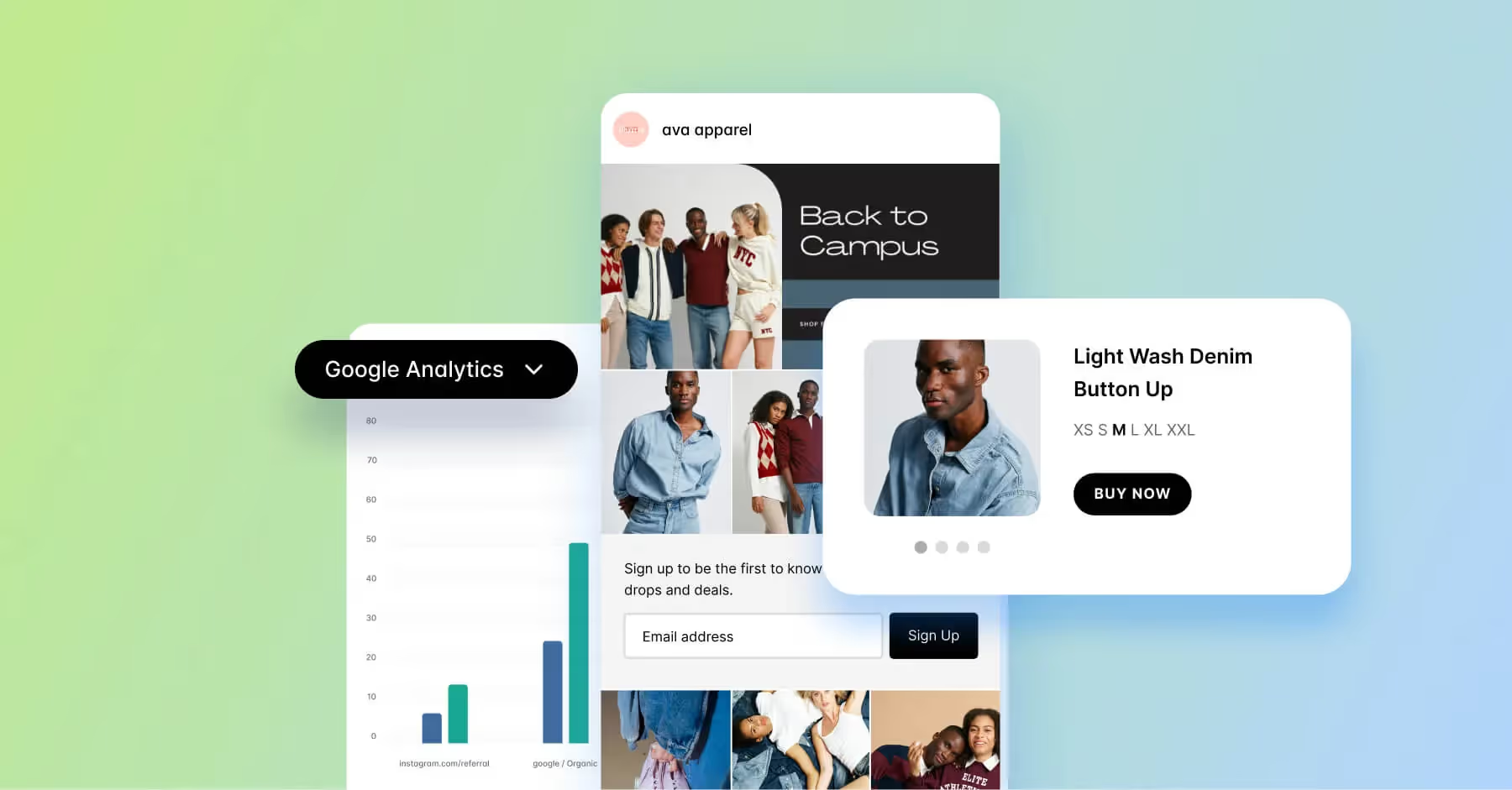
If you uploaded your product catalog as we explained above, you’re almost there already. Focus on producing posts, Reels, and even Instagram Stories that feature your products with tags. These tags link to your Instagram Shop, so users can easily purchase products straight from your post. Dash Social users can add product tags from Scheduler so you can plan your shoppable posts.
5. Utilize a Link In Bio Solution
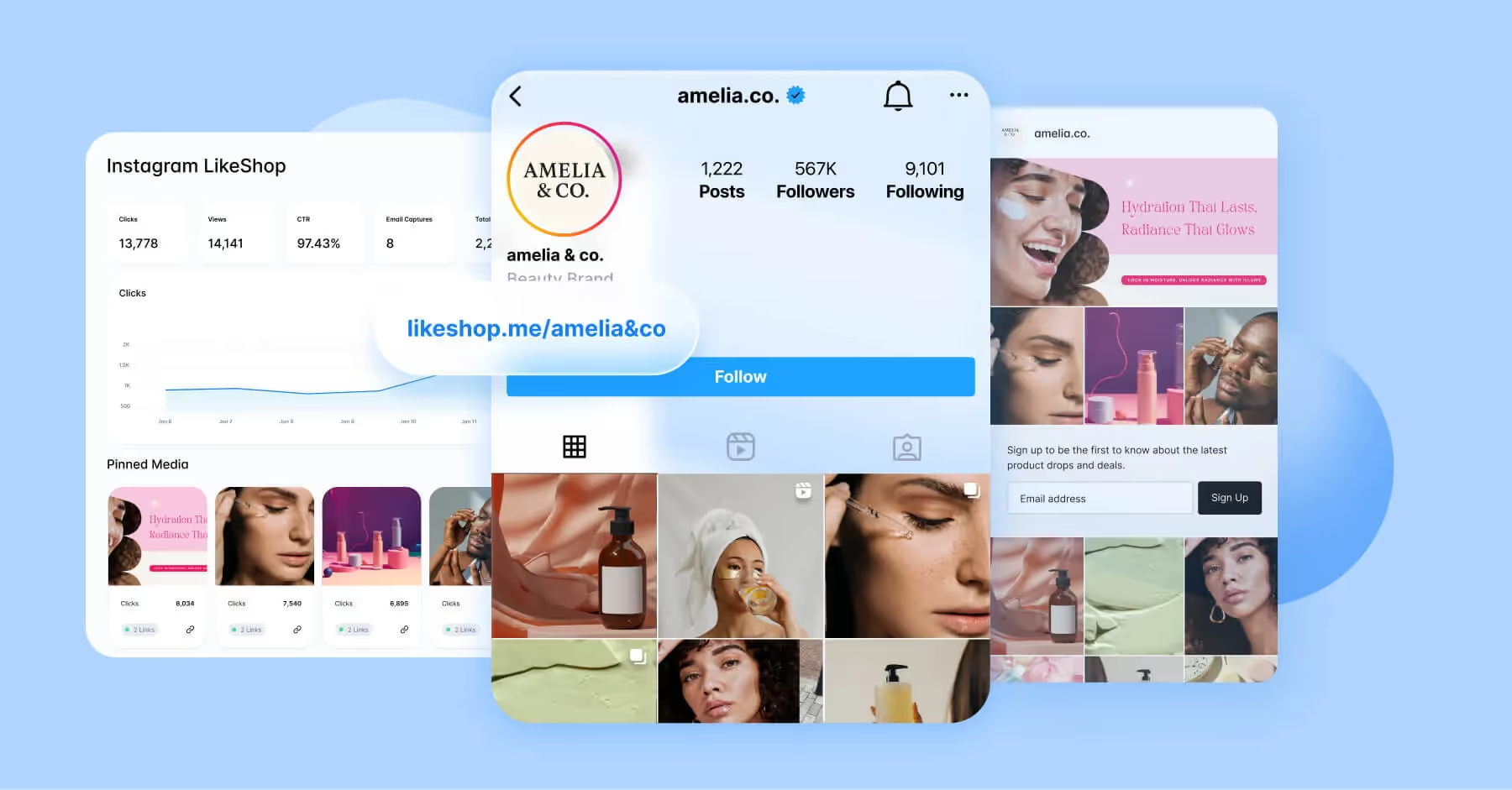
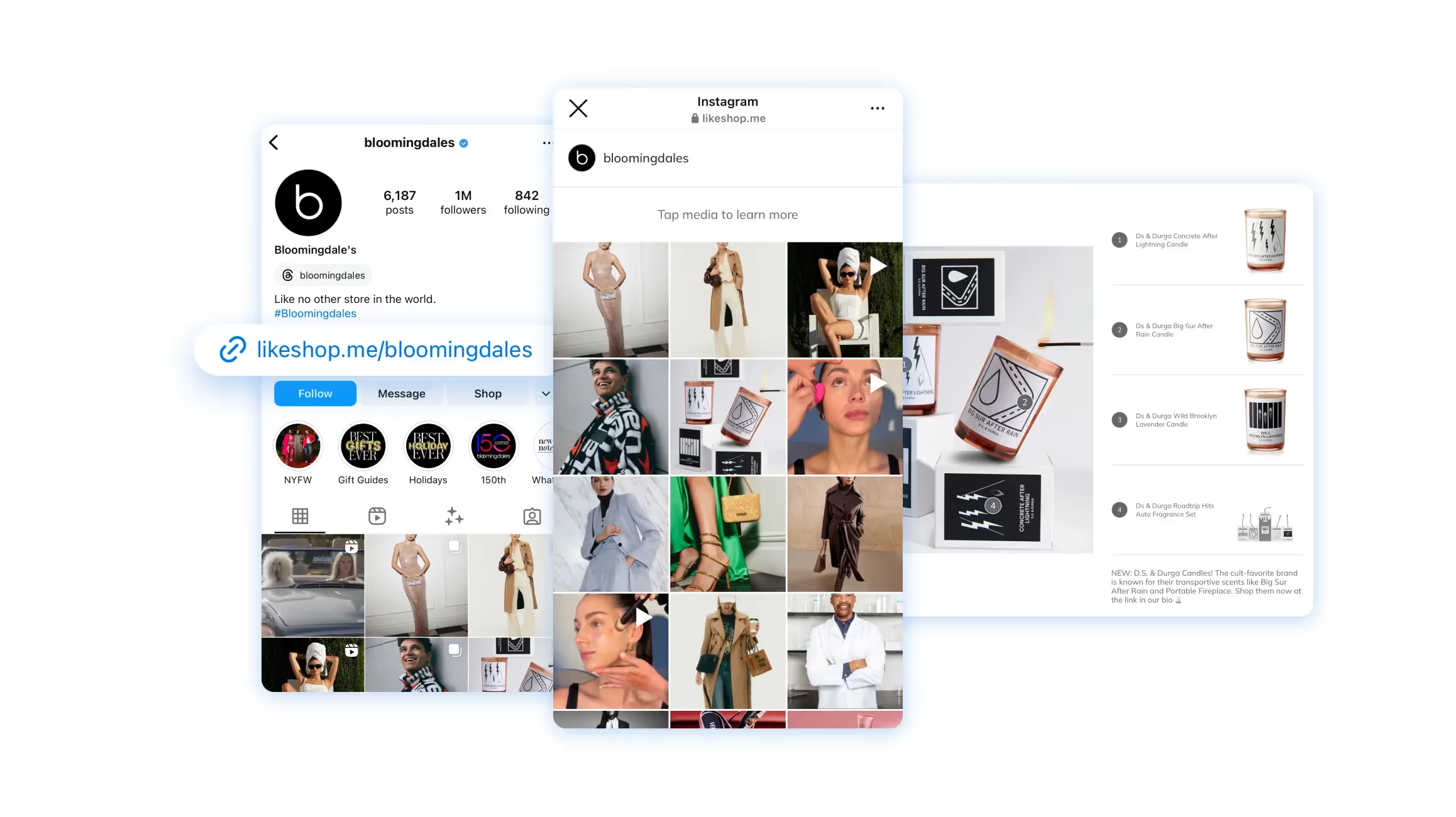
A link in bio solution is a URL found in a brand’s Instagram profile that users can tap on to go straight to that brand’s landing page. Solutions like LikeShop create a customizable feed that turns social media content into a digital storefront or magazine.
A link in bio solution is a great way to streamline the checkout process for users who find your products on Instagram. With LikeShop, marketers get the best features of every link in bio option and all of their stats at a glance, in the same place they schedule, measure, and publish their content.
Not only is LikeShop a monetizing solution for brands, but it’s also an opportunity to create major added value for your audience. You don’t have to use it exclusively to sell products, you can also send followers to news articles, promotions, collaborations, or anything else you want to share with them.
Of course, a link in bio is only one part of how to sell on Instagram. Developing social commerce within your existing strategy is imperative to driving sales.

How to Set Up Instagram Shopping
Before you can start selling products on Instagram, you'll need a Business account and a product catalog connected through Meta Commerce Manager.
To get started, navigate to Settings in Instagram, select Business, and choose Set Up Instagram Shopping. From there, create or connect a product catalog in Meta Commerce Manager. You can upload product information manually, including images, descriptions, pricing, and SKUs, or sync your catalog through an ecommerce platform such as Shopify.
Once your catalog is connected, review your shop details in Commerce Manager and ensure your product information is accurate and up to date. After submitting your account for review and receiving approval, you'll be able to showcase and tag products across Instagram, making it easier for customers to discover and shop your offerings.
Instagram Selling Strategies
Knowing how to set up a shop on Instagram is one piece of the puzzle; another is knowing how to strategize your approach to get the most out of your shop. You can implement these six tactics to ensure your efforts aren’t wasted.
- Stay on brand: This may sound easy, but it’s vital to ensure your shop still fits the aesthetics of your feed. You don’t want to bombard your users with products and lose the followers you’ve already worked so hard to get.
- Plan in advance: Keep a tight schedule and content calendar regarding your content mix and how often you post about products. By making a proper content plan, you should avoid oversaturating your feed with product launches.
- Don’t forget Reels and Stories: Selling on Instagram isn’t limited to your feed and Instagram shop. Use Reels and Stories as a way to show users how to use your product and why they need it in their lives. Product tagging is now available on both of these post types.
- Use hashtags: Hashtags are the perfect way for consumers to find the products they’re looking for. Be sure to use the right mix of hashtags on your products to lead the user exactly to where they want to go.
- Repurpose UGC: Showing your audience your products in action from other audience members is a surefire way to pique their interest. Consumers are more likely to trust a brand and want their products with strong UGC, particularly if they see other users liking it enough to post about it.
- Partner with influencers: Let influencers help you sell your products on Instagram. With the right influencer and audience, a partnership will likely be a successful match for both parties involved.
Making the Most of Your Social Media Marketing Tools
Dash Social's LikeShop is a great way to assess how your content strategy is functioning. Is your audience clicking on your LikeShop posts? What types of images are more effective at promoting follower action? What caption formulations garner the most movement? And finally, what call-to-actions compel people to head to the link in bio?
When measuring your performance, the click-through rate (CTR) is the best place to start. You want to look at the percentage of followers who open your LikeShop page and click on content. Your historic CTR is important, but understanding where you stack up against your industry's major players is also essential for an accurate picture of your results.
Like any social media marketing tool, measuring KPIs for your link in bio tool is essential to streamline your strategy and get your desired results.
LikeShop Benchmarks by Industry and Follower Amount
We calculated the click-through rates of all LikeShop users from January to June 2026, to help your team better understand your brand's position with competitive benchmarking. A CTR of around 47% is the general percentage marketers should strive to hit, accounting for a 10% fluctuation (higher and lower) depending on your specific industry and seasonality. Overall, larger brands (those with 1.1M followers or more), receive higher LikeShop click-through-rates than growing or established brands.
LikeShop Benchmarks by Industry
LikeShop Benchmarks by Follower Amount
*Based on all industry data.
LikeShop Benchmark Findings: Tips for Selling on Instagram
Now that we’ve covered the benefits of selling on Instagram and you have the data to set your own benchmarks for your brand let’s explore practical strategies and insider tricks to achieve your goals. Whether you're a seasoned seller or new to the Instagram market, these tips will help you maximize your impact and success.
Share Behind-the-Scenes Insights
Encourage transparency by sharing behind-the-scenes content from your office, photoshoots, and the journey of your products from conception to creation. Let your audience in on your team’s process and dedication. Utilize Instagram stories to offer exclusive behind-the-scenes content, strengthening your brand's authenticity.
Incorporate Product Flat Lays
Utilize flatlay photography to showcase your products. This method enhances the visual appeal of your content and highlights the diversity and quality of your offerings in an organized, aesthetically pleasing manner.
Step-by-Step Product Tutorials
Offer value to your customers with tutorial content. Use Instagram Reels to provide step-by-step guides and creative usage ideas for your products to enhance your customer’s experience and product understanding.
Leverage Influencer Collaborations
Collaborate with influencers who align with your brand's values. These partnerships should transcend mere promotions, focusing instead on building genuine connections and shared narratives.
Repurpose UGC
Showing your audience your products in action from other audience members is a surefire way to pique their interest. Consumers are more likely to trust a brand and want their products with strong UGC, particularly if they see other users liking it enough to post about it.
UGC by creators is also a great way to share positive customer experiences. Celebrate your customers by sharing their experiences with your products. Reposting content where they've tagged your brand not only acknowledges their loyalty but also adds a personal touch to your page.
Write Compelling Calls-to-Action
Some of the highest click-throughs come from CTAs that directly name the action you want followers to take. For example, using words like ‘shop’ instead of just saying ‘link in bio.’ This tactic is even more successful when the CTA is followed by a description of the benefit they get when they take action, like: ‘Click the link in bio for/to (fill in the blank) or ‘find (fill in the blank) at the link in bio.’ Brands like Marshall Headphones use compelling verbiage in their call to action instead of ‘link in bio’ language to direct their audience to their website and boost website traffic.
On the flip side, a subtle approach is much more successful for brands in the fashion industry. In fact, many of the highest-performing posts for fashion brands don't have a call to action. This means that the audience has already been educated on the behavior and does not need to be reminded every time items are available to shop (but it’s still effective to add CTAs once in a while to refresh your followers’ memories).
Consider Your Captions
Visually, Instagram users across industries are persuaded to click on celebrities and creators. Most top-clicked posts have a photo tag or mention another account. Caption length is not a performance factor. There are top performers with lengthy captions as much as there are with short ones. Captions get the most amount of traction when:
- They involve some kind of news or announcement, such as a product launch.
- They're promoting a sale.
- They have a sense of urgency, for example: 'last chance' or 'today only'.
- They have an air of mystery followed by a strong call to action (CTA).
- They’re a bit provocative.
- They direct audiences to buy an item a high-profile influencer is wearing or using.
- They have anything to do with winning a prize, like a giveaway or contest.
Get Link-Happy
For links, the number of clickable items does not affect post performance. There's an even mix of single-link posts and posts with multiples. The common thread across all topics and industries is to pique people's interest. Think about what your audience is interested in, would be intrigued by, and can't get enough of. Those posts will garner the most traffic.
What Is the Easiest Way To Sell on Instagram?
Integrating LikeShop into your Instagram strategy is a great way to use all the tools at your disposal and consequently optimize all touchpoints on the marketing channel. It can help you sell on Instagram, unlocking a whole new revenue stream while also enabling brands to turn Instagram into a major growth driver. Now that you know the secret to hit that high bar you've set for yourself, you can meet and surpass it every single time.
How To Sell on Instagram FAQs
Can you sell directly on Instagram?
Instagram allows brands to showcase products through posts, Stories, Reels, Shops, and advertisements, helping customers discover and purchase products more easily.
Do you need a business license to sell on Instagram?
No. There is no need to obtain a business license to sell products on Instagram. That being said, it’s still important to adhere to Instagram’s Commerce Eligibility Requirements.
Does it cost to sell on Instagram?
No. It is completely free to set up Instagram shopping and sell products. The only thing that comes at a cost is advertising if that is something you explore when choosing how to sell on Instagram.
What is LikeShop?
LikeShop is a link in bio solution that sends your audience from your Instagram posts to your website in one tap. With LikeShop, your brand is able to leverage Instagram to send customers directly to your storefront or digital media, and it is fully trackable with the use of UTMs.
What is LikeShop me?
LikeShop.me is the URL destination that brands use in their bio to link to their LikeShop.
Is LikeShop free?
LikeShop is a part of the Dash Social platform, and comes as a part of your package with a number of other powerful features to help you navigate the competitive social media landscape.
What's the difference between LikeShop and LinkTree?
LinkTree and LikeShop both offer options for brands to add multiple links to their bios with one single link in bio. So, what's the difference? LinkTree has both free and paid versions, and is a stand-alone feature, meaning social managers still need a separate tool to pull in social analytics and data from their site clicks. LikeShop is a feature available within Dash Social, that's perfect to bring your audience straight to your storefront, or any other page you want to direct your audience to. LikeShop is perfect for marketers looking for a single social tool they can plan and schedule content from, use to help define their strategy and pull in data and insights from their overall social performance including site clicks. This offers a meaningful analysis of the audience journey from your social pages, to your website.
.avif)