Everything You Need To Know About Social Media Management
Learn how to manage social with more clarity, speed, and confidence.
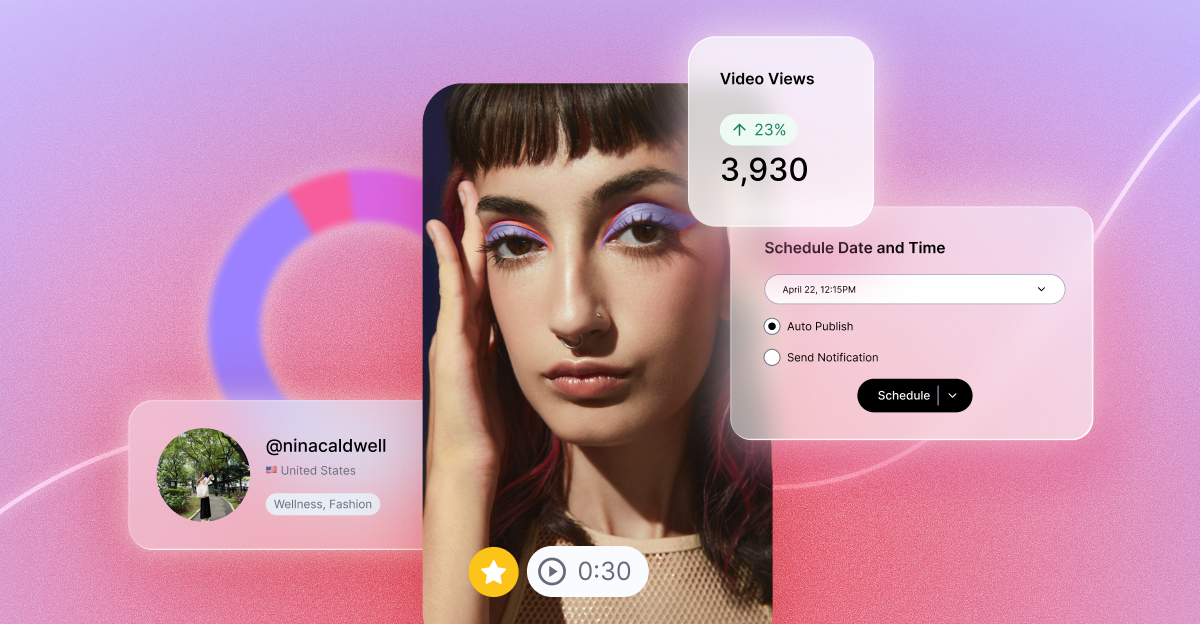

Social media management sits at the center of every strong social strategy. It’s how brands plan content, build community, track performance, manage creators, and turn audience attention into results.
That work used to be simpler. A brand could post a few times a week, check comments, pull platform metrics, and call it a day. Today, social moves faster, audiences expect more, and teams are responsible for more channels, formats, conversations, and stakeholders than ever.
Modern social media management is about knowing what to post, when to act, which creators to partner with, how content is performing, and where to invest next. It gives teams the structure to move quickly without losing sight of strategy.
In this post, we’ll break down what social media management is, how it has changed, which tools matter, and how Dash Social helps brands manage their full social footprint with more clarity, speed, and confidence.
Key Takeaways:
- Social media management includes planning, publishing, community management, reporting, creator management, and performance optimization.
- Social media management and social media marketing are closely connected, but they play different roles.
- Strong social media management helps teams save time, improve performance, prove impact, and stay aligned.
- The best social media management tools bring workflows, insights, publishing, reporting, and creator activity into one connected platform.
- Dash Social helps brands manage owned, creator, and paid social in one place, with brand-specific insights that help teams make smarter decisions faster.
What Is Social Media Management?
Social media management is the process of planning, creating, publishing, monitoring, and analyzing a brand’s social media presence across channels.
That includes the visible work, like posts, captions, comments, and campaigns. It also includes behind-the-scenes work, such as reporting, approvals, creator coordination, content tagging, performance reviews, and competitive analysis.
A strong social media management strategy helps teams answer questions like:
- What content should we post?
- Which channels should we prioritize?
- How is our audience responding?
- What is driving engagement, traffic, or sales?
- Which creators are helping us reach the right people?
- What should we change next?
At its best, social media management gives brands one clear system for staying organized, moving quickly, and making decisions based on real performance.
Social media management vs. social media marketing
Social media management and social media marketing work together, but they are not the same thing.
Social media marketing is the broader strategy. It focuses on how a brand uses social media to reach business goals, such as awareness, engagement, community growth, website traffic, conversions, or customer loyalty.
Social media management is the day-to-day system that brings that strategy to life. It includes the workflows, tools, content calendars, approvals, publishing, community engagement, reporting, and optimization that keep everything moving.
Think of social media marketing as the direction. Social media management is how the team gets there.
How Social Media Management Has Changed
Social media management used to be a smaller part of the marketing function. For many brands, it was something one person could easily manage alongside other responsibilities. There were fewer platforms, fewer content formats, and fewer expectations from leadership. That reality has changed.
Today, social is where people discover products, follow creators, research brands, join conversations, and make purchase decisions. Teams are managing short-form video, influencer campaigns, paid amplification, community conversations, trend cycles, reporting requests, brand safety concerns, and cross-functional approvals, often at the same time.
The role of the social media manager has changed with it.
They are no longer only responsible for posting content. They are expected to understand creative performance, spot cultural shifts, brief creators, manage communities, analyze data, report to leadership, and connect social results to business impact. They need creative instincts and analytical discipline. They need to move fast and stay strategic. That is a lot for one person to carry.
As social media has become more complex, brands have started to treat social media management as a dedicated function. Many teams now need specialists across content, community, analytics, paid, influencer marketing, and creative strategy. The brands seeing the strongest results are the ones building connected workflows around that complexity instead of forcing teams to manage it through disconnected tools and spreadsheets.
The Benefits of a Solid Social Media Management Strategy
A clear social media management strategy helps teams work with more focus and less friction. It gives everyone a shared understanding of what matters, what is working, and what to do next.
It keeps your team aligned
Social touches more teams than ever. Social managers, creative teams, paid media teams, e-commerce teams, influencer managers, customer experience teams, and leadership all need different things from the same channel.
Without a clear system, work gets scattered. Content lives in one place, approvals happen somewhere else, and reporting takes hours to pull together. A solid management strategy creates one source of truth so teams can plan, publish, and measure with fewer gaps.
It improves performance
Good social media management makes your strategy easier to optimize. When content is tagged, campaigns are tracked, and reporting is consistent, teams can see patterns faster.
They can understand which creative themes are resonating, which channels are gaining momentum, which creators are driving results, and which campaigns need a shift. That insight makes every next move sharper.
It helps prove the value of social
Social teams know their work drives impact on the business. The challenge they often face is proving it in a way leadership can understand.
A strong management strategy connects social activity to clear performance metrics. Instead of stitching together screenshots or static reports, teams can show what happened, why it matters, and where the brand should invest next.
Different Types of Social Media Management Tools
Social media management tools help teams simplify the work behind social. The right mix depends on your team structure, goals, and channels, but most tools fall into a few core categories.
Overall Management
Overall, social media management tools help teams organize their broader social operation. These platforms often bring multiple workflows together, including planning, publishing, analytics, reporting, collaboration, and campaign tracking.
For growing brands, this type of tool becomes the foundation for managing social at scale. It helps teams move away from fragmented workflows and gives them one place to understand what is happening across their social footprint.
Reputation and Community Management
Reputation and community management tools help teams monitor and respond to audience conversations. This can include comments, messages, mentions, sentiment, and brand-related discussions.
These tools are especially important for brands with active communities. They help social teams respond faster, protect brand reputation, and understand what customers are saying in real time.
Analytics Management
Social analytics tools help teams measure performance across channels, campaigns, content formats, and audiences. They turn raw numbers into insights teams can actually use.
Strong analytics management helps brands answer questions like which posts drove engagement, which content pillars performed best, how competitors are showing up, and how social is contributing to larger marketing goals.
Content, Scheduling, and Publishing Management
Content and social scheduling tools help teams plan, approve, and publish content across channels. They reduce manual work and keep calendars organized.
This is especially helpful for brands managing multiple handles, regions, campaigns, or teams. A strong publishing workflow helps teams stay consistent while leaving room to react quickly when trends or opportunities appear.
Influencer Marketing Management
Influencer marketing management tools help teams find creators, manage relationships, track deliverables, and measure campaign performance.
As creator marketing becomes more connected to organic and paid social, these creator tools are becoming a core part of social media management. Brands need to know which creators fit their audience, which partnerships are performing, and how creator content contributes to the full social strategy.

Stay on top of creator and influencer performance
Seamlessly measure the ROI of your ambassador, influencer and creator programs.
Discover Creator Measurement ToolsHow To Manage Your Social Media With Dash Social
Dash Social is a social media management platform built for how social works today. It helps brands bring owned, creator, and paid social into one connected system, so teams can move faster, make smarter decisions, and prove performance with confidence.
Dash Social helps teams organize content planning, scheduling, publishing, and campaign workflows on a single platform. Instead of jumping between spreadsheets, native platforms, and project management tools, teams can manage social activity from a shared workspace.
That means fewer manual steps, clearer approvals, and a smoother path from idea to published content.
Use brand-specific insights to guide creative decisions
Social performance is never one-size-fits-all. What works for one brand may fall flat for another.
Dash Social uses brand-specific intelligence to help teams understand what content is most likely to perform for their audience. With visual-first insights, teams can make creative decisions with more confidence before they post.
Measure performance across owned, creator, and paid social
Dash Social gives teams a connected view of performance across social activity. That includes organic content, creator partnerships, paid efforts, campaigns, and competitive benchmarks.
This makes it easier to understand what is working across the full social footprint, instead of analyzing each channel or tactic in isolation.
Build reports that leadership can trust
Dash Social helps teams create clear, customizable reports using reliable performance data. Social teams can spend less time building decks and more time acting on insights.
For leadership, that means better visibility into the impact of social. For social teams, it means fewer manual reporting cycles and more time to focus on strategy.
Manage creator marketing alongside social
Dash Social brings creator management into the broader social media management workflow. Teams can discover creators, track deliverables, manage campaign activity, and measure creator performance alongside owned and paid content.
That connection matters because audiences experience brand, creator, and paid content together. Your reporting should reflect that reality.
Move faster with a platform your team will actually use
The best social media management platform is one that your team can adopt quickly and use every day. Dash Social is designed for social marketers, with intuitive workflows, connected insights, and support from real people who understand the pace of modern social.
Your team gets the structure to scale, without adding unnecessary complexity.
Social Media Management FAQs
What does social media management include?
Social media management includes planning, creating, scheduling, publishing, monitoring, engaging, reporting, and optimizing social media content. It can also include community management, social listening, influencer marketing, paid social coordination, and campaign reporting.
Why is social media management important?
Social media management helps brands stay consistent, organized, and strategic across channels. It gives teams the workflows and insights they need to improve performance, build community, and connect social activity to business results.
What is the difference between social media management and social media marketing?
Social media marketing is the strategy behind how a brand uses social media to reach its goals. Social media management is the process of executing that strategy through content planning, publishing, engagement, reporting, and optimization.
What should I look for in a social media management tool?
Look for a platform that helps your team manage publishing, reporting, community engagement, campaign tracking, creator activity, and analytics in one place. The best tool should save time, improve visibility, and help your team make better decisions faster.
How do social media managers measure success?
Social media managers measure success through metrics like engagement rate, reach, impressions, follower growth, video views, clicks, conversions, sentiment, share of voice, creator performance, and campaign results. The right metrics depend on the brand’s goals.
How often should brands update their social media management strategy?
Brands should review their strategy regularly, especially when performance shifts, new platforms emerge, audience behavior changes, or business goals evolve. Social moves quickly, so the best strategies are structured enough to guide the team and flexible enough to adapt.
See the full picture behind your social performance.
From dashboards and boards to competitive insights and campaigns, get the clarity you need to optimize strategy across every channel.
Explore Social Insights Solutions