What Is Sentiment Analysis and How Can It Impact Your Brand in 2026
Go beyond likes and engagement to understand the real emotions behind social conversations.
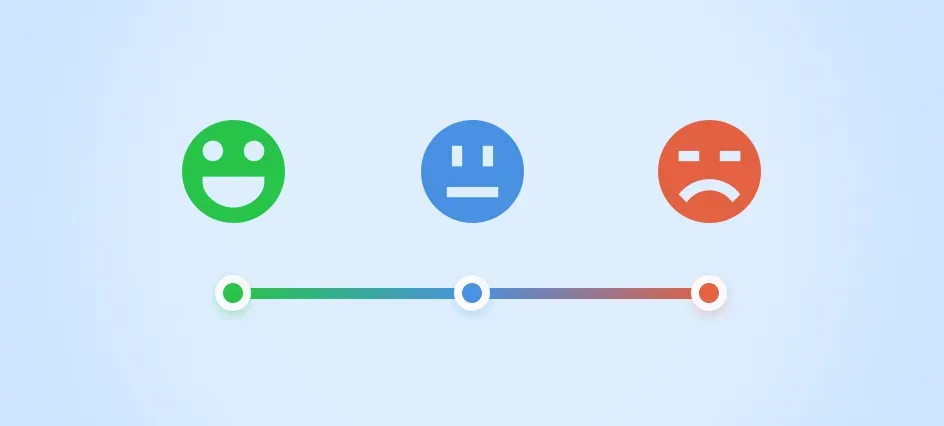

Social media plays an important role in how brands connect with their audiences. Through comments, mentions and DMs, brands can interact directly with consumers and hear feedback in real time. But as conversations scale and thousands of comments roll in daily, it becomes harder to truly understand how people feel about your brand. That’s where sentiment analysis comes in, helping brands move beyond manual review to uncover meaningful insights that can improve both their social strategy and their relationships with followers.
TL;DR:
- Brand sentiment analysis reveals how audiences actually feel about your brand by analyzing the tone of comments, mentions and conversations.
- It goes beyond likes and engagement metrics to uncover deeper insights into audience opinions and emotions.
- Brands can use sentiment insights to better understand their audience and improve customer experience and product decisions.
- Tracking brand sentiment over time helps identify potential issues early before they escalate into larger crises.
- AI-powered sentiment tools automate the process, helping teams quickly analyze thousands of comments and spot trends across social channels.
What Is Brand Sentiment Analysis?
Brand sentiment analysis is the process of measuring how people feel about your brand by analyzing online conversations, comments and mentions.
It uses technologies like natural language processing (NLP) and AI to categorize text as positive, negative or neutral, helping brands understand the emotions and opinions behind what audiences are saying.
Brands typically apply sentiment analysis to social media comments, reviews, customer feedback, forums and news mentions. Instead of just tracking metrics like likes or engagement, sentiment analysis reveals the tone of the conversation, whether audiences are excited, frustrated, satisfied or critical.
By analyzing this data at scale, brands can:
- Understand how audiences perceive their brand.
- Identify emerging issues or potential crises early.
- Improve customer experience and community management.
- Measure the impact of campaigns, product launches or messaging.
- Track sentiment trends over time.
In short, brand sentiment analysis helps marketers move beyond surface-level metrics to understand the real emotions driving conversations about their brand.

Why Is Social Media Sentiment Analysis Important?
The fact that anyone has the ability to share their thoughts and opinions about your brand on social media makes sentiment analysis one of the most important processes you can integrate into your strategy. These analyses give a holistic view of how your posts and brand are being perceived by users on social, but that isn’t the only benefit.
Helps You Understand Your Audience
One of the most powerful insights that comes out of social media sentiment analysis is gaining a true understanding of your audience and customers. By performing analyses regularly, you will begin to understand the nuance of your audience and product, and even begin to recognize familiar names and faces. This can be a great opportunity to find and reward loyal customers who are dedicated to your product and speaking up about it.
Leads to Improved Customer Service and Product Development
As you perform more analyses over time, you will have the opportunity to improve in customer service and product development. From a customer service perspective, you will be able to see how customers like to be interacted with on a deeper level. You may find your customers enjoy more casual interactions as opposed to very formal direct message chains.
In terms of product development, a good sentiment analysis will give insight to not only what types of products your customers like, but how they’re likely to react to new offerings.
Spots Problem Areas or a Potential Crisis
One of the most underrated aspects of sentiment analyses are that they can help you get a sense of whether a metaphorical storm is brewing. Brand crises don’t typically pop out of thin air, so by having your ear to the ground with your analysis, you may be able to spot problems or crises before they become a much larger issue to deal with. If you notice a shift in your sentiment surrounding a new post or product, you’ll be able to take action.
How To Perform a Social Media Sentiment Analysis in 5 Steps
Now that we know what social media sentiment analysis is, and why it’s so important, it’s time to learn how to perform one. There are many tools out there that perform analysis’ for you, but there are some steps you can take to perform an analysis on your own. Follow along below.
1. Create a Tracking Form
This doesn’t need to be fancy. You just need somewhere to store all the informative insights you’re about to collect. Something as simple as an excel spreadsheet broken out by social channels, posts, or terms will work.
- Inputs: account names, list of platforms, sample of recent posts/comments (1–2 weeks), baseline metrics (engagement, reach).
- Tools: Google Sheets / Excel template (CSV provided below) or Dash Social Community Manager.
- Estimated time: 30–90 minutes to set up; ongoing maintenance 5–30 minutes per day depending on volume.
- Outputs: a single source of truth CSV/GSheet with each mention row and metadata (date, platform, URL, comment, initial polarity, etc.).
- Tip: capture reach/impressions per post when available to weigh impact.
2. Choose Relevant Terms
In this step, you will determine which terms you want to seek out during your analysis. It’s best to separate the terms you choose into positive and negative. For example, some positive terms you may choose to look for would be: love, best, perfect, thanks. Some examples of negative terms would be: hate, bad, avoid, disappointed.
By choosing two types of terms, it will help you swiftly separate the positive and negative comments.
- Inputs: brand name(s), product names, hashtags, competitor names, seasonal terms, crisis keywords (e.g., “recall”, “lawsuit”).
- Tools: simple token list (CSV/JSON format), sentiment lexicon editors, or a sentiment analysis tool like Community Manager.
- Estimated time: 30–60 minutes to assemble a starter lexicon; ongoing refinement after each analysis cycle.
- Outputs: curated term list separated by Positive / Negative / Neutral and a slang/emoji list for matching.
3. Identify Social Channels
It’s time to consider where people are talking about your brand. While your brand may have an account for every social, it’s important that your time is well spent on the socials that get the most buzz. Depending on your industry, Instagram, TikTok, and Facebook are great starting points.
- Inputs: business goals, audience profile, historical engagement by channel, competitor presence. Start with top 3 channels by volume/relevance.
- Tools: platform native search (Instagram, TikTok), social listening tools, RSS or web alerts.
- Estimated time: 30–60 minutes to choose and set up monitoring; continuous ingest if using a tool.
- Outputs: configured data streams per platform (e.g., Instagram comments, public tweets, TikTok comments, Reddit threads).
4. Monitor Your Mentions
Once you have your chosen socials, it’s time to analyze comments and mentions. Comments are easy, because they live directly on your posts, whereas mentions aren’t as easy since users don’t always tag the brands they’re referring to. Most socials give the ability to search your brand name so that its easy to find mentions that don’t tag you directly.
- Inputs: live feeds/exports of comments, mentions, DMs (if allowed and consented), and URLs to posts.
- Tools: manual review in spreadsheets; API pulls; dedicated tools like Dash Social for automated ingest and deduping.
- Estimated time: initial pass 1–3 hours/week for small accounts; continuous monitoring for enterprise.
- Outputs: populated tracking sheet with raw utterances, initial polarity, and flags for high priority items.
5. Analyze the Sentiment
As you find comments or mentions that hit on your target terms, it’s time to start using your tracking sheet and slotting in these interactions where you see fit. Be mindful to consider the context of these interactions as sometimes users will use words that are typically negative, but in a positive way, i.e. using “ugly cry” to describe something that made them very happy or emotional (in a good way). After you’re satisfied with the data you’ve collected, you’ll be able to get a holistic view of how users are feeling about your brand and posts.
- Inputs: tracking sheet rows, lexicon, context (thread history), translation where needed.
- Tools: human labeling + automated NLP (Dash Social or open‑source models); confidence scoring and aspect extraction.
- Estimated time: batching 1–3 hours per week for mid‑volume accounts; near‑real‑time for high‑risk monitors.
- Outputs: per-comment polarity + confidence, aspect tags, post‑level tag (dominant sentiment), Net Sentiment Score and trend charts, and prioritized action list.
If these five steps feel like about four too many for you, then investing in a tool that does all the work for you is likely the best option. More on that, below.
Tips To Improve Your Sentiment Analysis
Are the results of your analysis not what you expected? It happens to the best of us. One thing you will want to do is start taking action right away. Below we have outlined ways for you to improve how consumers are feeling about your brand now.
Initiate Engagement
At this point, we all know how crucial it is to be interacting with your followers on social media. Users want to know there is a human behind the brand that will respond to and help them when they are in need.
To improve your brand sentiment, it’s time to take that engagement to the next level. Instead of engaging reactively, try sparking interactions with your followers first. This can be tricky at first, but once you get a better understanding of your audience, it will become easier.
Be Consistent
We’ve said it before, and we will say it again: consistency is key when working in social. If you’re only making an effort on your channels around the time of a new product launch, users can see that and it may subconsciously impact how they feel about your brand and the new products. If you find yourself having a hard time finding enough content to post regularly, consider working with influencers, or even utilizing UGC. Both of these options not only provide great content, but also great engagement from both communities.
Tweak Your Brand Messaging
If you feel like you’re doing everything right, but your social media sentiment analysis still isn’t where you want it to be, it may be time to tweak your brand messaging. We’re not suggesting a complete overhaul, just some small changes in how you choose to communicate new information with your followers.
You may be surprised to see how differently followers feel about your content even with the most minor shifts in tone, and messaging.
Think Long-Term
When making posts on social, it’s important to have a long-term plan. By setting aside time to determine the goals of your accounts, and learning what is and what isn’t working through analytics and understanding brand sentiment, it becomes possible to plan far into the future. Creating a cohesive social strategy (with some room for flexibility, of course) helps users know what to expect, and how your brand can benefit them over time.
Understand Brand Sentiment With AI-Powered Social Listening
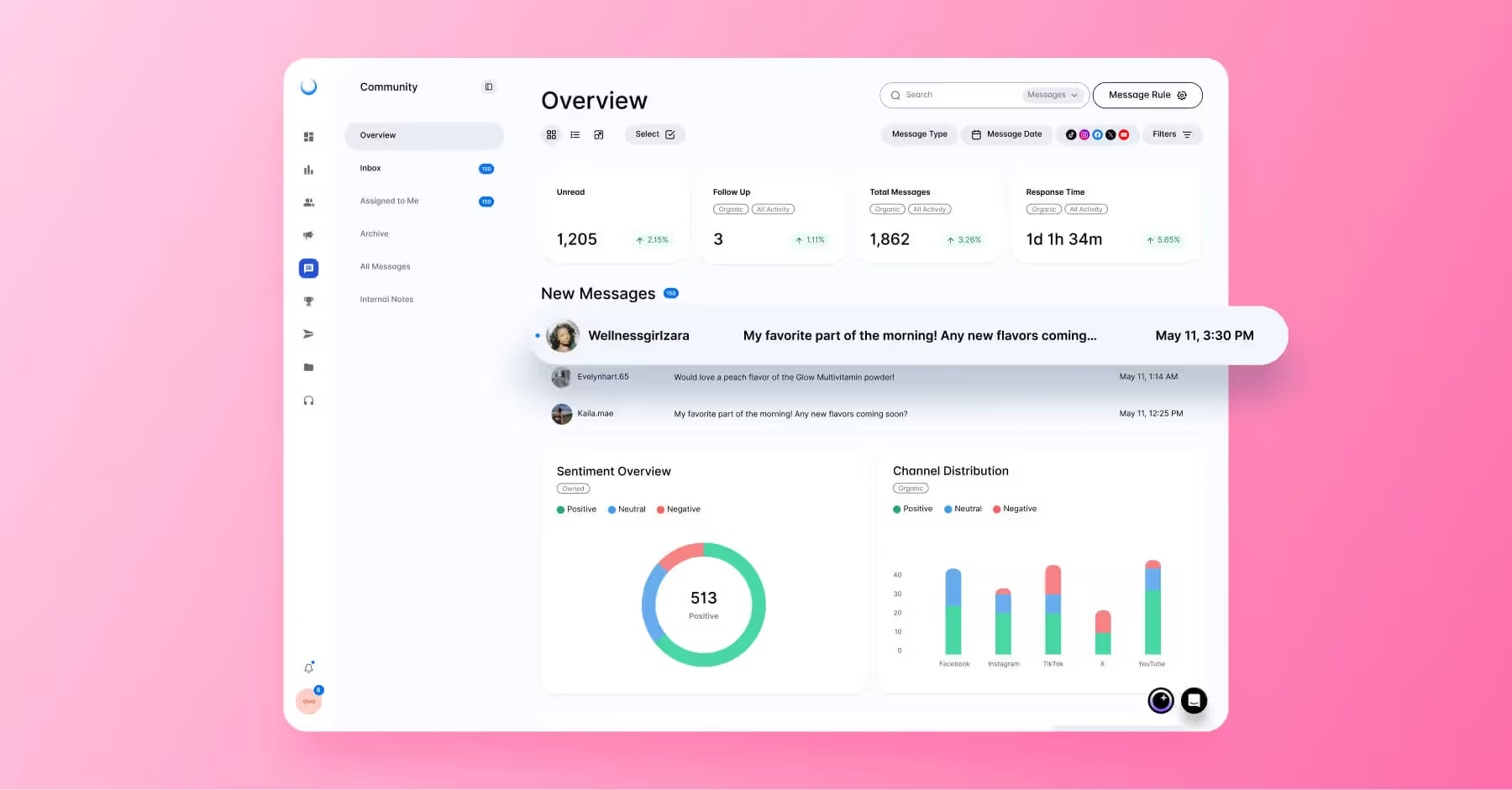
A more efficient way to measure brand sentiment is by using a specific analysis tool. Within the Community feature of Dash Social, brands now have access to a social media sentiment analysis tool that uses AI and natural language processing (NLP) to rank individual comments on your posts as positive, negative or neutral. Once comments are ranked, the post will receive a tag based on how it is being received. This feature allows you to dive deeper into your comments and to truly understand what your followers like, dislike, and whether a shift in your strategy is needed.
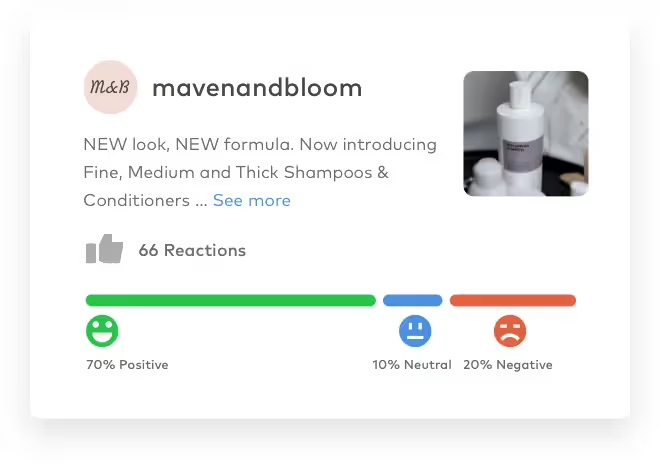
Having a capability like this built into your social marketing tool makes it easier than ever to take a temperature check on a post, and to identify high-priority comments fast.
It’s never been easier to truly understand how your audience feels about your brand, your products and your competitors. Dash Social's Predictive Vision AI has been continuously learning and adjusting since 2016. This means that you’re able to go beyond basic text and numbers to gather in-depth insights to uncover how your brand and competitors are being seen online, and how audiences are responding.

Sentiment Analysis FAQs
What is an example of brand sentiment analysis?
A great example of a brand implementing sentiment analysis and learning from it is Uber. Marketing Lead, Krzysiek Radoszewski has noted that the brand uses analysis and social listening on a daily basis to see how users are feeling about new modifications. By using an analysis tool regularly, they are able to know exactly what’s working and what’s not from the beginning.
What does sentiment analysis measure?
Sentiment analysis uses natural language processing to determine whether data is positive, negative, or neutral. In terms of social media sentiment analysis, it measures specifically whether comments and interactions fall into positive, neutral, or negative territory.
What is the difference between sentiment analysis and social listening?
While both are forms of data-driven brand management, there are some key differentiators. Social listening is a term that encompasses many actions a brand can take to monitor and understand the conversations and trends that are happening on social media as it relates to their brand and industry. This can include keyword and hashtag research, surfacing UGC, monitoring news and website mentions, or social community management.
Social media sentiment analysis is the detection and measurement of how your brand is being spoken about online and how a brand's audience is responding to its social presence.



.jpg)