Organic vs. Paid Social Media: How To Find the Right Balance
Balance reach, trust, and performance with the right organic and paid strategy.

Contents
What Is Organic Social Media?What Is Paid Social Media?Organic vs. Paid Social MediaWhen To Use Organic, Paid, or HybridOrganic and Paid Social Strategy Examples From Leading BrandsMeasuring Success Across Organic and PaidHow To Build a Strong Organic and Paid Social StrategyOrganic vs. Paid Social Media FAQs
Finding the right mix of organic and paid social media can feel overwhelming, but there’s a straightforward way to approach it. A combined strategy lets you build community through organic content while using paid promotion to boost high-performing posts and reach new audiences. Start by identifying your best organic performers, then allocate your budget to promote those posts, leaving a smaller portion to test new paid content.
Key Takeaways:
- Organic social media builds community and trust over time without ad spend, while paid social media uses ads to reach targeted audiences quickly.
- The two strategies serve different roles: organic strengthens existing relationships, and paid expands reach to new audiences.
- A combined approach usually yields the best results for most brands.
- Tracking metrics like engagement rate, click-through rate, and return on ad spend helps refine both strategies.
What Is Organic Social Media?
Organic social media refers to free content that brands or individuals share on their profiles, including posts, Stories, Reels, and other unpaid content.
Organic reach depends on platform algorithms, which determine how many followers and non-followers see your posts.
Benefits of Organic Social Media
Organic social media is a powerful tool in modern marketing since it relies on the art of authentic connections and engagement, not advertising budgets.
- Builds genuine relationships with your audience over time.
- Establishes brand voice and personality.
- Costs nothing to post (though content creation requires resources).
- Creates a library that tells your brand story.
- Encourages engagement and user-generated content.
Challenges of Organic Social Media
- Algorithm changes can affect reach.
- Building a following takes time and consistency.
- Limited ability to reach new audiences.
- Harder to connect results directly to business outcomes.

What Is Paid Social Media?
Paid social media includes any content boosted or created as ads with budget behind them. Examples include boosted posts, sponsored content, display ads, and other formats across social platforms.
Paid social lets brands target specific demographics, interests, behaviors, or custom audiences based on website activity or customer lists. This targeting makes paid social advertising effective for reaching new users and driving specific actions.
Benefits of Paid Social Media
Paid social media allows marketers to reach wider audiences, capturing the attention of individuals without prior knowledge of the company or brand.
- Immediate access to targeted audiences.
- Precise targeting options.
- Clear, measurable results.
- Scalable based on budget and objectives.
- A/B testing for performance optimization.
Challenges of Paid Social Media
- Requires ongoing budget.
- Ad fatigue can reduce performance.
- Rising costs as competition increases.
- Needs expertise for effective management.
- May feel less authentic than organic content.
Organic vs. Paid Social Media
The key distinctions between organic and paid social media are that organic focuses on unpaid content and community building, while paid involves investing in advertising to reach a wider audience. Understanding how these two approaches differ helps you plan resources effectively.
When To Use Each Approach
Use organic when:
- Building brand awareness and community.
- Nurturing customer relationships.
- Testing content ideas before spending on ads.
- Working with a constrained campaign budget.
- Developing brand personality and values.
Use paid when:
- Launching new products or short-term campaigns.
- Reaching specific audience segments.
- Driving conversions or leads.
- Expanding reach beyond organic audiences.
- Retargeting website visitors or customers.
Use a hybrid approach when:
- Balancing reach with authenticity.
- Expanding reach on proven organic content.
- Building brand equity while achieving short-term goals.
- Testing content performance before scaling.
When To Use Organic, Paid, or Hybrid
Choosing between organic, paid, and hybrid social depends on your goals, timeline, and resources. Here’s how to decide which approach makes the most sense.
For most brands, the strongest strategy isn’t choosing one channel over the other. It’s knowing when to let organic content build the relationship, when to use paid to drive action, and when to combine both to scale what’s already working.
Organic and Paid Social Strategy Examples From Leading Brands
Some of the most followed brands on social use a mix of organic and paid content to build community, scale campaigns, and turn attention into action. Here are three brands using a hybrid strategy well, plus what marketers can take from each one.
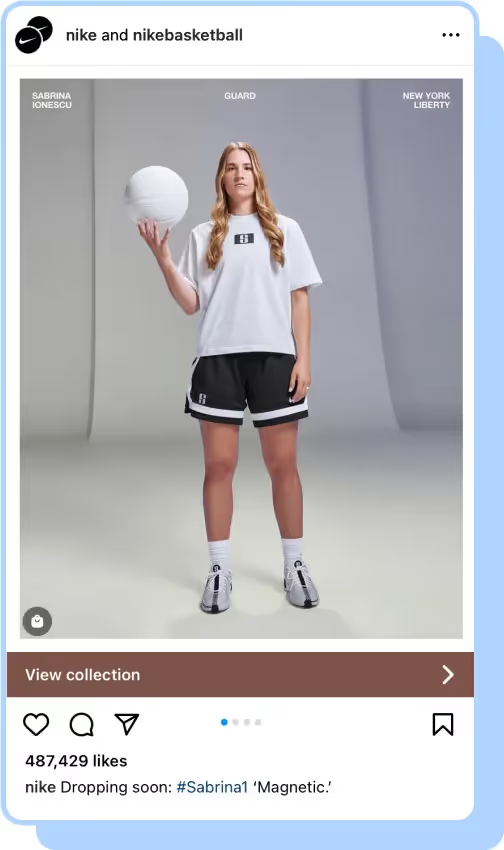
Nike (@nike)
Nike’s content marketing strategy works because the brand rarely leads with the product. Instead, it leads with the person wearing it.
On organic, Nike builds emotional connection through athlete stories, motivational creative, and culturally relevant moments. The product is present, but the focus stays on ambition, identity, and performance. Paid campaigns then help Nike scale that message around key drops, major moments, and limited-edition releases.
What marketers can learn: Use organic to build the story behind your brand, then use paid to scale the moments that already have momentum.
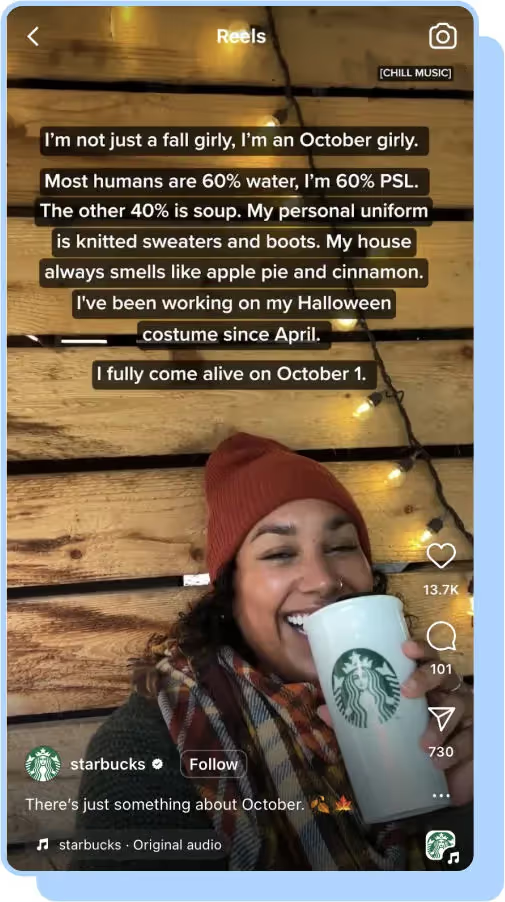
Starbucks (@starbucks)
Starbucks uses organic social to make its products feel personal, seasonal, and part of everyday culture.
Its feed blends polished product content with community-driven moments, from seasonal favorites like the Pumpkin Spice Latte to inclusive campaigns that reflect the people behind the brand. Paid social helps Starbucks extend the reach of major launches and campaigns, while organic keeps the brand connected to daily routines and customer rituals.
What marketers can learn: Strong organic content gives paid campaigns more context. When audiences already feel connected to the brand, promotional moments feel more natural.
Depop (@depop)
Depop’s social strategy is built around its community. The brand’s content feels native to the platform because it often mirrors the way its users already create, style, and share fashion.
User-generated content is central to Depop’s organic presence, with posts spotlighting real items, sellers, and style inspiration from the marketplace. Creator partnerships and paid promotion then help amplify the community-driven content that feels most aligned with Depop’s audience.
What marketers can learn: When your customers are already creating strong content, make them part of the strategy. Organic community content can become the foundation for creator campaigns and paid amplification.

The Role of Content in Both Strategies
In both organic and paid social media, content quality drives performance. Strong visuals, clear copy, and authentic stories help both approaches succeed.
For organic content, post consistently and engage with your community. Reply to comments, reshare user content, and encourage conversation.
For paid content, focus on creative that grabs attention. Test different formats, messages, and calls to action to learn what works best.

Measuring Success Across Organic and Paid
Organic and paid social work best when teams can see what’s performing, what’s worth scaling, and where budget should go next. The right metrics depend on the goal, but both channels should ladder back to the same question: is this content driving the outcome we want?
Organic Metrics To Track
Paid Metrics To Track
How To Build a Strong Organic and Paid Social Strategy
A strong social strategy does not treat organic and paid as separate efforts. Organic gives teams the space to test, learn, and build trust. Paid helps scale the content and messages that are already working.
Start with organic
Use organic content to learn what your audience engages with before putting budget behind it. Treat posts as a testing ground for creative, messaging, formats, and topics.
Amplify top performers with paid
Once a post shows strong engagement, saves, shares, or click-throughs, use paid to extend its reach. Budget works harder when it supports content with proven audience interest.
Use paid for specific goals
Paid campaigns are best for launches, lead generation, conversions, or reaching a new audience segment. Keep the creative and messaging aligned with your organic content, so the experience feels consistent.
Connect insights across both channels
Organic and paid teams should share learnings often. Repurpose strong creative, compare performance by audience and format, and use reporting to understand which content drives awareness, engagement, traffic, and revenue.

Organic vs. Paid Social Media FAQs
What’s the main difference between organic and paid social media?
Organic social is unpaid content visible through algorithms and sharing, while paid social uses ad spend to reach defined audiences.
When should I choose paid over organic social media?
Use paid options for quick reach, specific targeting, or measurable conversions such as product launches or event promotions.
Can organic social media still bring results?
Yes. Organic strengthens trust and community. It works best for awareness, loyalty, and content testing.
How can I measure organic social media ROI?
Track engagement, follower growth, social-driven website traffic, and assisted conversions in your analytics tool.


.jpg)