What Is Native Advertising?
How native advertising fits seamlessly into social media.


Imagine scrolling through your favorite social media platform and navigating through various engaging posts and entertaining stories. You stumble upon a product video that catches your eye and feels right at home in your feed. You watch it and eventually find yourself taking action to learn more about the product and maybe you even buy it. This is one prime example of native advertising.
The native advertising definition might be unclear, but it’s a powerful marketing technique that has taken the social realm by storm for a few years and is part of our daily content consumption.
Native ads are a strategic approach that seamlessly blends promotional content with the ‘native’ environment of online platforms. They are designed to harmoniously integrate within the user's browsing experience, capturing attention without disrupting the flow.
Social channels have become fertile grounds for native advertising, enabling brands to present their offerings in ways that resonate authentically with users. Whether it's a sponsored post that appears in your Instagram feed, an in-feed ad that feels like an organic recommendation on Facebook or a promoted video that catches your attention on YouTube, native advertising on social channels capitalizes on the intimate nature of these platforms. In fact, Outbrain reported that 53% of consumers trust social media native advertising.
By crafting content that aligns with the platform's style, tone and user expectations, native advertising on social delivers relevance and value to users. It blurs the lines between organic and sponsored content, creating a sense of trust and familiarity that traditional advertisements often struggle to achieve.
Key Takeaways:
- Native advertising integrates promotional content directly into the flow of social media, making ads feel like a natural part of the feed rather than an interruption.
- These ads outperform traditional display formats, driving higher engagement and click-through rates. Research shows native ads are up to 8.8 times more effective.
- Social media platforms such as Instagram, Facebook, and YouTube have become central to native advertising strategies because they allow authentic in-feed ad experiences.
- Mobile is now the dominant environment for native ads, with most users encountering them on their phones, making mobile-optimized formats essential.
- When paired with content marketing, native advertising extends reach, builds trust, and accelerates conversions by meeting audiences where they already spend time online.
What Is Native Advertising?
Native advertising is paid content that mirrors the format, tone, and style of the platform where it appears. It blends into the user experience, appearing as part of the feed, recommendations, or stories that audiences already engage with daily. Rather than disrupting attention like traditional banner ads, native advertising captures interest by aligning with how users naturally consume content.
The global native advertising market is expected to reach $650 billion by 2032, underscoring its growing influence and value for marketers. Native ads stand out because they combat ad blindness and fatigue, two of the biggest challenges in digital marketing. By matching the look, feel, and behavior of the platform they appear on, native ads blend seamlessly with surrounding content.
This integration makes them less disruptive and far more engaging. In fact, studies show that native ads generate click-through rates up to 8.8 times higher than traditional display ads, emphasizing their effectiveness in driving user engagement and interaction.
Various native advertising formats suit different social platforms and user experiences. These formats include:
- Sponsored content: Sponsored content aligns with the platform's style and provides value to the audience. These ads seamlessly integrate into the existing content and aim to educate, entertain or inform users while subtly promoting a brand or product.
- In-feed ads: These native ads blend into social media feeds, resembling regular posts from friends and followed accounts. By mimicking the surrounding content, they generate higher engagement and avoid disrupting the user experience, increasing the likelihood of interaction and conversions.
- Recommended content: Native ads that appear as suggested articles or related posts strategically placed within the platform to connect users with relevant information. They offer non-disruptive recommendations that align with users' interests, increasing the chances of engagement and further exploration.
- Creator collaborations: Collaborations between brands and creators or influencers on social media platforms. This type of native advertising leverages the credibility and reach of creators to promote products or services, often in an authentic and relatable manner that resonates with their followers.
The benefits of native advertising extend to both advertisers and consumers. Advertisers provide an opportunity to promote their products or services more organically and less intrusive, thereby increasing the likelihood of audience engagement, brand awareness, and conversions. On the other hand, consumers benefit from it by receiving content that aligns with their interests and preferences, ultimately providing more value through informative or entertaining material.

How Native Advertising Works
Native advertising has become one of the most effective ways for brands to connect with audiences in an authentic, engaging way. As traditional display ads lose their impact, marketers are turning to ad formats that feel more natural and less disruptive. Native advertising does just that by blending paid content into the environments people already trust and enjoy.
Before diving into how it works, it’s important to understand what makes native advertising distinct, and why it’s become such a powerful strategy for brands looking to build awareness and drive action on social media.
- Blends into the platform: Native ads adopt the look, tone, and behavior of organic posts, making them feel like a natural part of the social media experience.
- Delivers relevance through targeting: Advanced audience targeting ensures the content reaches users most likely to find it useful or interesting, improving engagement and response rates.
- Focuses on user experience: Because native ads are designed to fit seamlessly into feeds, they reduce ad fatigue and banner blindness while maintaining a positive browsing experience.
- Encourages authentic interaction: Native advertising drives genuine engagement by providing entertaining, informative, or inspiring content that adds value rather than pushing a hard sell.
- Integrates across formats and devices: Whether viewed as an in-feed post on mobile, a sponsored story, or a recommended article, native advertising works across platforms and screens for consistent brand visibility.
What You Should Know About Mobile Native Advertising
The reality is that most people access social media through their phones. Recognizing the significance of native advertising on mobiles compared to desktop is paramount. According to Statista, in 2024, over 494 million dollars were allocated to mobile advertising, a 10% increase from the previous year. This shift in ad spending reflects the growing dominance of mobile platforms in reaching and engaging audiences.
Statista's research also revealed that nearly 80% of video ads displayed on mobile devices remained in view during the measured period. Furthermore, according to Semrush, 23% of retailers identify social media as the best platform for running ads.
This finding highlights the importance of incorporating native advertising within social media channels, as it provides a fantastic opportunity for brands to connect with their target audience effectively.
With the increase in mobile usage and the substantial investment in mobile advertising, brands must understand the unique dynamics of native phone advertising. Here's what marketers should know about mobile native advertising:
- Seamless Integration: Mobile native ads must blend with the mobile user experience. They should fit the specific format and functionality of mobile apps or web pages, ensuring a cohesive and non-disruptive user experience.
- Mobile Formats: Prioritize mobile-friendly native ad formats, such as in-feed ads, sponsored stories or interactive video ads optimized for mobile screens. These formats are more likely to capture users' attention and drive engagement.
- Shorter Attention Spans: Mobile users have shorter attention spans, making concise and visually captivating ad content essential. Focus on delivering brief messages and utilizing eye-catching visuals to make a quick impact.
- Responsive Design: Mobile native ads should be optimized for various screen sizes and orientations to ensure a consistent experience across mobile devices. Responsive design is crucial to adapting the ad content to different mobile platforms, providing optimal visibility.
Native Advertising vs. Content Marketing
Content marketing and native advertising are two distinct strategies that serve different purposes.
A content marketing strategy focuses on creating valuable and informative content to engage an audience. It aims to educate, entertain or inspire without overtly promoting products. Content marketing builds trust, establishes thought leadership, and nurtures long-term customer relationships by providing relevant information. It typically resides on platforms the brand owns, such as social pages and websites, and aims for long-term conversions and sales.
In contrast, native advertising is an extension of content marketing that allows marketers to place their content in front of a wider audience through paid ads. Native ads appear within the user experience of various websites or platforms, matching the look and feel of the surrounding content. Unlike content marketing, native advertising offers a quicker response and is best utilized to reach targeted audiences with specific messaging that encourages immediate action.
While both strategies work independently, their true power lies in their synergy. Native advertising can drive traffic to content marketing assets, allowing brands to maximize the reach and impact of their content. Combined with social media SEO, this maximizes how users can find brands on social and search engines. They also capture the attention of new audiences, directing them to owned platforms where content marketing takes over to deepen engagement and guide users through the buyer's journey.
How To Build Native Creative That Works
The success of a native advertising campaign starts with the creative. A strong strategy or precise targeting won’t matter if your visuals and copy don’t connect with the audience the moment they scroll by. Effective native ads look and feel like a natural part of the platform, and that cohesion starts long before you hit “publish.”
Prioritize People, Not Logos
Audiences respond to faces, emotions, and context they can relate to. Whether it’s a creator holding your product or a lifestyle image showing it in use, visuals featuring people perform better than static product shots or brand logos. They signal authenticity and make the ad feel like a recommendation rather than a sales pitch.
Align Your Headline and Visuals
Your headline and image should tell the same story. If your visual suggests one message but your headline delivers another, the disconnect hurts engagement and trust. Make sure the copy and creative reinforce each other so users immediately understand what they’ll get when they click.
Deliver on Your Promise
The landing page experience is an extension of your ad. If your creative teases a benefit, insight, or product detail, ensure the post-click content fulfills that expectation. Misalignment between ad and landing page erodes credibility and leads to higher bounce rates.
Test and Refine
No matter how strong the concept, data should guide your creative choices. A/B test multiple versions of your visuals and headlines to see which combinations generate the best engagement. Small tweaks, like a different headline structure or image focus, can drive significant performance lifts.
As a social media manager, you’re responsible for both the ad creative and the destination it leads to. When your visuals, copy, and landing experience work toge
Native Advertising Platforms
Native advertising platforms enable publishers and brands to integrate ads with online content easily. These platforms provide tools and formats that allow advertisers to match the surrounding content's look, feel and functionality, creating a cohesive user experience. They allow native ads to be placed and distributed across various platforms, such as websites, social media platforms, mobile apps, etc. Ultimately, native advertising platforms play a vital role in optimizing the effectiveness of native ads, helping them blend with content to capture audience attention. Let’s take a look at some of these platforms below.
StackAdapt
StackAdapt is an advanced native advertising platform that empowers brands and agencies to create, manage and optimize native ad campaigns. With robust targeting, real-time insights and AI-powered optimization, it helps advertisers integrate their ads into relevant content across digital channels for maximum impact and ROI.
The Trade Desk
The Trade Desk is a leading programmatic advertising platform providing marketers with advanced tools for planning, executing and measuring digital campaigns. With a focus on data-driven insights, precise targeting and optimization, it empowers advertisers to reach their target social media demographics and drive meaningful results.
Basis
Basis Technologies (formerly Centro) provides unified software and services, simplifying digital media operations and driving profitability for marketers. Its comprehensive platform consolidates planning, operations, reporting and financial reconciliation across programmatic, publisher-direct, search and social channels.
PRnews.io
PRnews.io is a major platform that offers PR and media relations services, allowing brands to distribute press releases and connect with journalists and media outlets worldwide. With an extensive network of media contacts, the platform simplifies reaching targeted audiences and gaining media coverage for news and announcements. It is a valuable resource for effective PR campaigns, enabling brands to enhance their visibility, credibility and reputation.
Outbrain
Outbrain is a content discovery and recommendation platform that helps publishers and advertisers amplify their reach and engagement. With a network of premium publishers, it provides personalized content suggestions to users, enabling them to discover relevant content while browsing online. For advertisers, Outbrain offers a powerful platform to promote their content in a native and non-disruptive manner, reaching a wide audience and driving traffic to their websites.
Taboola
Taboola is a renowned content discovery and native advertising platform that helps publishers and advertisers reach their target audience at scale. Through its extensive network, Taboola delivers personalized content recommendations, allowing users to discover content while browsing. As a native advertising platform, it provides advertisers with an effective way to promote their content. Its advanced targeting and optimization capabilities enable brands to drive traffic, increase engagement and achieve their marketing objectives effectively.
Yahoo Gemini
Yahoo Gemini is a comprehensive advertising platform offered by Yahoo that combines native and search advertising to reach a broad audience across its network of websites and partner sites. With it, advertisers can create and manage campaigns that blend native ads seamlessly within the user experience and target specific keywords for search-based ads. The platform provides robust targeting options, analytics, and optimization tools, allowing advertisers to maximize ad performance and drive meaningful results.
Nativo
Nativo empowers publishers and advertisers to create, distribute and optimize native ad campaigns. Its advanced technology and extensive network of publishers enable advertisers to incorporate branded content within editorial feeds, providing a native and non-disruptive experience for users. With its native advertising solutions, Nativo helps brands deliver relevant and engaging content to their target audience, driving increased visibility, brand affinity and engagement.
MGID
MGID is a platform that specializes in content recommendation and distribution. Through native ads embedded within the user experience, brands can increase brand awareness, drive traffic and engage with their target audience. With real-time analytics and optimization tools, MGID empowers advertisers to maximize the performance of their campaigns and achieve their marketing objectives.
Native Advertising Examples
As discussed, native advertising has evolved into a powerful tool for connecting with brands' target audiences. From sponsored articles and in-feed ads to branded videos and influencer collaborations, native advertising takes various forms across different platforms. Let's take a look at some examples from the brands below.
Merit
A lifestyle influencer such as Lily Pebbles is just one example of how Merit collaborates with creators to reach new audiences. In her honest review of Merit's products, she doesn't shy away from pointing out features she doesn't like as much but ultimately loves the products themselves. This authentic approach will resonate with her audience, who will appreciate the candidness and help Merit expand its audience.

Amazon Prime
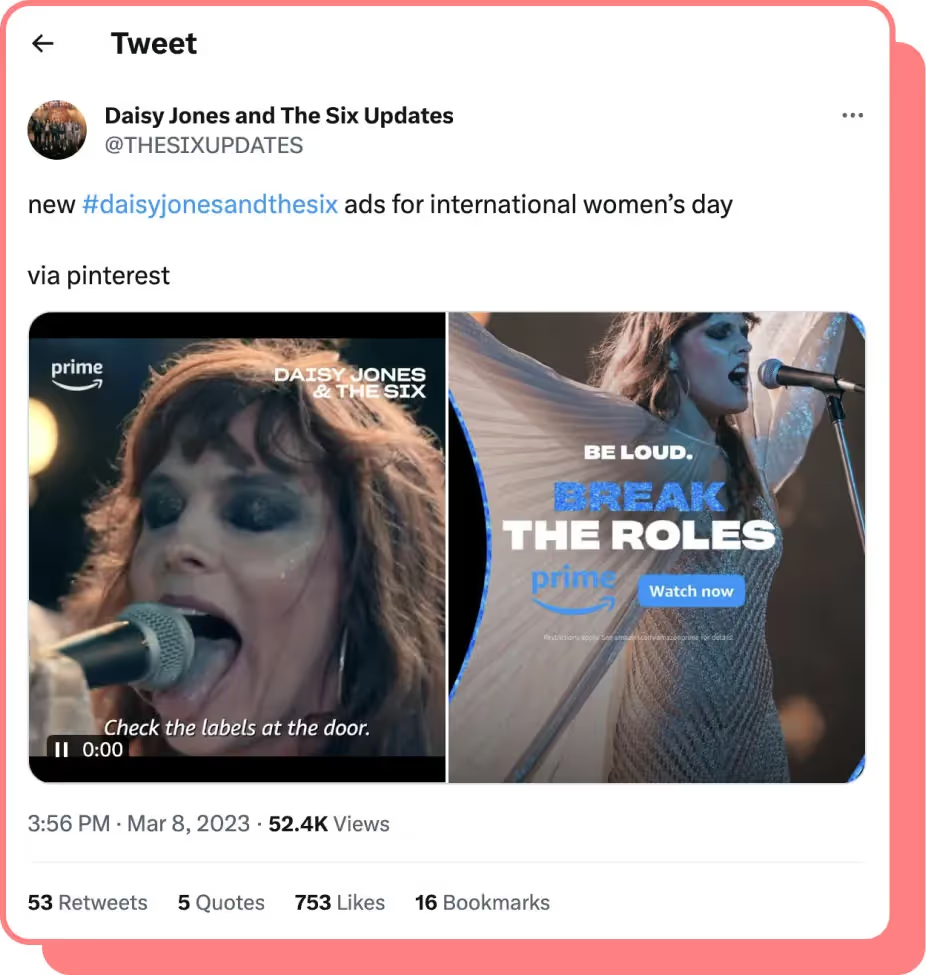
Social accounts dedicated to specific shows and productions are becoming increasingly common, and Amazon Prime is one platform that knows how to do this with style. Daisy Jones and The Six, its recent hit show, attracted much attention and viewers thanks to its strong social marketing strategy that included native ads on Instagram. With dedicated Instagram and Twitter accounts, the pages promote the show and provide all the BTS and content fans desire without being too pushy.
Supergoop
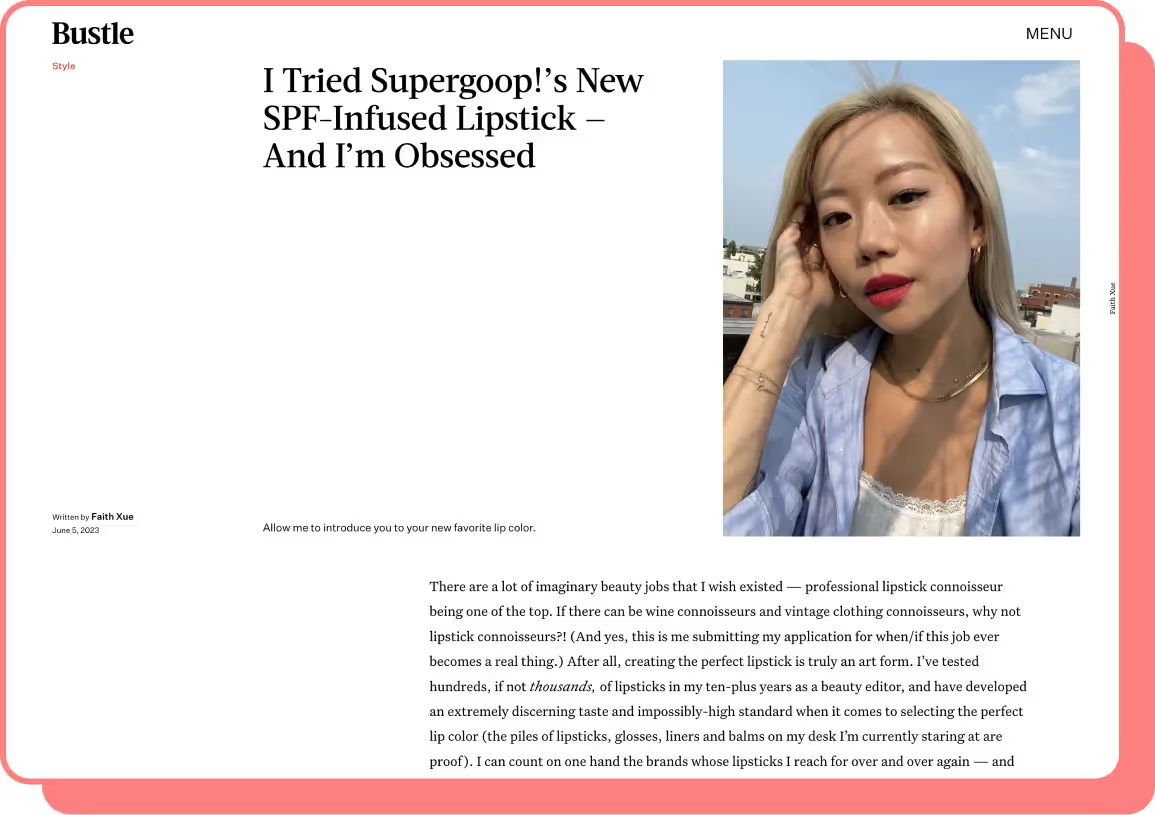
Supergoop also has a strong native advertising strategy, with many collaborations. However, the brand also knows how to reach wider audiences through reputable media outlets and publishers. Recently, Faith Xue reviewed the brand's SPF lipstick for Bustle. As she is a well-respected beauty editor and lipstick connoisseur, the review carried a lot of credibility, blended seamlessly into the content and likely helped the brand gain more interest in the product.
Native Advertising FAQs
How much does native advertising cost?
The cost of native advertising varies depending on the platform, audience reach, ad format and campaign objectives. Pricing models include cost per click (CPC), cost per thousand impressions (CPM) or fixed rates. It's best to consult with native advertising platforms or agencies to get specific pricing details for your campaign.
How do you spot native advertising?
Native advertising differs from traditional ads by being less intrusive and seamlessly integrated into the surrounding content, providing users with a more subtle and organic advertising experience. Spotting native advertising can be done by looking for cues such as the ‘sponsored,’ ‘ad’ or ‘promoted’ label, distinct design elements, disclosure statements or subtle differences in formatting that indicate the content is an ad. However, it's important to note that the specific indications may vary across different platforms and publishers.
Why is native advertising important?
Native advertising is important as it offers a non-disruptive and seamless approach to engaging audiences, overcoming ad fatigue and banner blindness. By blending in with the surrounding content, native ads increase visibility, capture attention and foster trust, resulting in higher engagement, brand affinity and conversions.


.jpg)