What's Millennial Cringe And What Does It Mean For Marketers?
What millennial cringe reveals about brand voice, content, and culture.

On social media, where almost every move is documented, shared, and scrutinized, “cringe” has become a defining part of online culture, especially for Millennials and Gen Z. Millennials came of age alongside major shifts in technology, culture, and social media, all of which helped shape their humor and online identities. But like any era of internet culture, many of those once-familiar habits, jokes, and aesthetics now feel dated.
Key Takeaways:
- Millennial cringe reflects how quickly humor, trends, and online identity shift across generations.
- What feels nostalgic to millennials can read as awkward or outdated to Gen Z.
- Most millennial cringe conversations happen through humor, parody, and cultural commentary on social media.
- Brands should only engage with millennial cringe if it fits their voice, audience, and strategy.
- When the tone is off, this kind of content can alienate users or invite trolling on social media.
What’s Millennial Cringe?
Millennial cringe refers to the phenomenon among Gen Z, millennials, and some Gen X, who perceive specific behaviors, trends, or cultural elements as overly earnest, awkward, or embarrassing. It's important to clarify that not all millennials are inherently 'cringe'; rather, the term highlights particular aspects or habits that have become stereotypically associated with this demographic.
However, you can also look at millennial cringe through the lens of humor and nostalgia. It’s an interesting study of how digital trends evolve, with many millennials also chiming in about how Gen Z humor will eventually meet the same ‘cringy’ fate.
Millennial cringe typically revolves around certain trends, jokes, phrases, or social media trends that, over time, have come to be viewed as outdated or out of touch by both younger generations and even millennials themselves. Examples might include the overuse of terms like ‘adulting,’ a penchant for avocado toast, or early internet humor and aesthetics that seem dated.

Examples of Millennial Cringe
So, which past cringe millennial phrases, memes, and sayings are a topic of conversation? We explored some of the most common TikTok trends and content associated with this specific brand of cringe.
Millennial Cringe by Gen Z
A trend that’s taken many forms over the last couple of years is mimicking millennial behaviors and trends, like mustache humor or the infamous millennial pause. Many creators, like Bianca Caglione (@biancecaglione), have made a name for themselves enacting various scenarios of how a stereotypical, cringy millennial would act.

Cringe Compilations
A longstanding component in the world of online cringe, ‘cringe compilations’ involve short videos or specific snippets of longer videos that sum up a particular brand of cringe. These often range from age demographics, like Gen Z or millennials, or ‘cringe’ taken from non-functioning social platforms, like Vine.

Millennials On Millennials
Of course, many millennials themselves are weighing in on the concept of millennial cringe, poking fun and discussing their own cringe millennial things. In this example, user Alysa Browne (@alysabrowne) incorporates the ‘I’m a ___, of course I…’ TikTok trend, to touch on the differences between Gen Z and millennials in a funny, lighthearted way.

How People Are Talking About Millennial Cringe
How are people talking about “cringe” content online? We used Dash Social’s Social Listening feature to get a closer look at how audiences engage with millennial cringe across social.
From nostalgia to playful commentary, we analyzed conversations about “millennial cringe” from May 1, 2025, to May 1, 2026, to understand how different groups perceive the quirks, aesthetics, and internet habits now associated with millennials. Interestingly, only 10% of the content came from Gen Z, suggesting that millennials are driving much of the conversation themselves.
What’s Driving the Millennial Cringe Conversation
Using Vision, Dash Social’s platform AI, we summarized the findings to understand what’s shaping the millennial cringe conversation. The discussion is less about one specific trend and more about a shared cultural aesthetic. Posts often point back to late-2000s and early-2010s internet culture, from music, fashion, MySpace-era media, and AIM to oversharing, skinny jeans, and hyper-specific home decor. Many are self-aware, with users revisiting old tastes through a mix of embarrassment, affection, and nostalgia.
The tone is mixed. Some conversations are playful and self-deprecating, while others lean more critical or mocking. A recurring theme is whether “cringe” is actually an insult, or simply a way to reexamine past trends with a little distance. Much of the discussion frames the divide between millennials and Gen Z as an aesthetic conflict rather than a deeper cultural one.
And when it comes to who’s talking, the answer is mostly millennials. More specifically, millennial women. Women make up 70% of the conversation, with 42% of users ages 35 to 44 and 44% ages 25 to 34.
Cringe Millennial Phrases
Some millennial phrases aged because they were everywhere. They showed up in captions, mugs, T-shirts, Tumblr posts, and brand posts until they stopped feeling like inside jokes and started feeling like internet artifacts.
Think phrases like “all the feels,” “this is everything,” “can’t even,” “because reasons,” “I was today years old,” and “tell me you’re a millennial without telling me.” They’re not offensive or unusable, but they carry a specific online tone. A little earnest, a little self-aware, and very rooted in a particular era of social media.
For brands, the risk is less about the phrase itself and more about timing. A dated phrase can work when it’s intentional, self-aware, and relevant to your audience. But when it’s used as a shortcut for personality, it can make your brand sound like it’s performing relatability instead of actually being relatable.
Before using a phrase with heavy millennial energy (or Gen Z energy, for that matter), ask whether it adds something specific to the post. Does it make the idea sharper, funnier, or more recognizable to your audience? Or is it there because it feels like something a brand “should” say online? If the answer is the latter, write it the way a real person would say it now.
Top Performing Millennial Cringe Posts
Perhaps unsurprisingly, the top-performing posts on this topic involve Taylor Swift, Harry Potter, the famous 2012 hipster mustache, celebrity Halloween costumes, and Oodies. Which, honestly, tracks.
These posts perfectly capture the essence of millennial cringe, resonating with a blend of humor and relatability.
Overall, there were 1,277 mentions associated with ‘millennial cringe’ during this time frame, which received 2.6 million total engagements with an average of 2K engagements per mention.
Harry Potter
This post by @thriftedbytea features a unique, 2000s-era vintage Harry Potter blanket from the series's first book for sale. Despite acknowledging that Harry Potter is sometimes seen as ‘millennial cringe’ and expressing disapproval of J.K. Rowling, they admire this thrift find for its uniqueness and design, which includes an argyle/diamond pattern and multi-colored tassels. This post uses a blend of nostalgia and cultural commentary to showcase an appealing item despite changing perceptions.

Millennial Cringe Revival
This X post by Lauren Morrill (@LaurenEMorrill) simultaneously celebrates the upcoming new release from Taylor Swift, ‘The Tortured Poets Department’. Their post playfully asserts that millennials are reclaiming their moment, suggesting that it's time for Gen Z to step aside in a light-hearted way. This tweet captures a sense of nostalgia and self-aware humor, resonating with many who identify with millennial digital and cultural milestones.

Should Your Brand Embrace Millennial Cringe or Back Away?
Deciding whether a brand should lean into or away from millennial cringe, particularly using humor or discussing it on their accounts, depends largely on the brand's identity, audience, and strategic goals.
Reasons To Lean Into Millennial Cringe
There are a few reasons a brand might choose to lean into millennial cringe, whether that means joining in on the humor or commenting on it from the sidelines.
Audience Engagement
If a brand's target audience includes millennials, embracing millennial cringe humor can foster relatability and engagement. It shows the brand is in tune with its audience and can participate in shared cultural experiences. Conversely, if your target audience is Gen Z or Gen Alpha, you might decide to critique it or simply engage with other content that makes light of ‘cringe humor’.
Brand Personality
For brands with a casual, playful, or irreverent tone, millennial cringe content can be a natural fit. It can reinforce the brand's persona and strengthen its connection with followers.
Reasons To Lean Away From Millennial Cringe
For many brands, not engaging with millennial cringe at all is best for your social strategy. These reasons include:
Risk alienating audiences
There’s a risk of alienating audiences who do not identify with or appreciate this type of humor. Brands also need to consider how easily this kind of content can invite trolling on social media, especially if it comes across as forced, mocking, or out of touch.
Brand consistency
For brands with a more serious or professional image, millennial cringe content might clash with their established identity. It's crucial for a brand to maintain a consistent voice and image.
Whether to embrace or avoid millennial cringe content is a strategic decision that should align with a brand's identity, audience preferences, and overall marketing objectives. When done right, it can enhance engagement and brand personality; when misaligned, it can detract from the brand's image and alienate segments of the audience.
Turn Millennial Cringe Into Social Media Clout With Dash Social
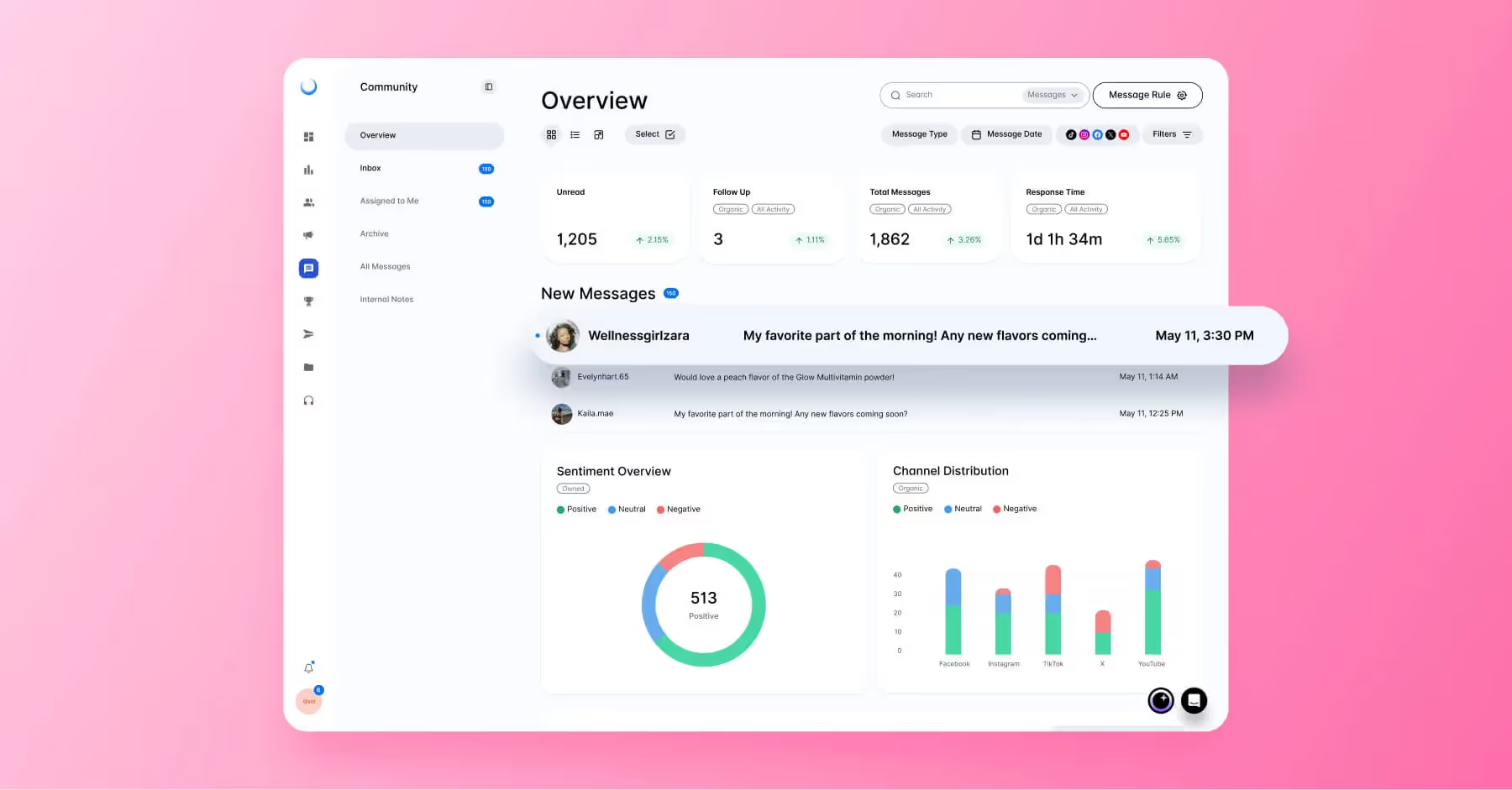
Through Dash Social's Community Manager, social teams can easily identify, escalate, and respond to the most important user interactions on all of their social accounts. Your team can quickly and easily spot how users respond to your content, including whether or not they think it’s cringe.
Social teams can also tap into AI-Powered Social Listening, like we did in this blog, to dive into specific keywords, themes, and trends their audience may or may not be interested in. Here, you can also analyze the sentiment of different keywords to discover whether or not these terms will resonate with your target audience.

Millennial Cringe FAQs
What is the millennial pause?
The ‘millennial pause’ refers to the hesitation or moment of delay that millennials often do at the start of filming TikTok or other short-form video content.
What is cringe millennial slang?
Cringe millennial slang encompasses phrases, words, or trends that were popular among millennials but are now viewed as outdated or embarrassing by both younger generations and some millennials themselves. Examples include terms like "YOLO" (You Only Live Once), ‘on fleek’, or overusing hashtags. These slang terms, once trendy, now often evoke a sense of second-hand embarrassment or cringe.


.jpg)