How the Best CPG Brands Are Using Social Media
How leading CPG brands are using social media to connect with modern consumers.
See how your brand compares with the latest CPG social media benchmarks.


The last several years transformed how Consumer Packaged Goods (CPG) brands reach shoppers. What used to be a TV-and-shelf game is now a real-time, multi-channel conversation across social platforms, streaming video, commerce-enabled pins and in-app search. Today’s best CPG brands on social combine clear brand purpose, helpful education, platform-native creative and commerce-friendly touch points to turn everyday products into memorable experiences.
TL;DR:
- CPG brands expanded their digital presence rapidly, using social media to connect with growing online audiences.
- Instagram is used for product education and sustainability messaging, often through simple video and visual content.
- Twitter helps brands showcase personality, participate in viral conversations and strengthen brand voice.
- Facebook is a hub for communicating brand values, campaigns and community initiatives.
- Pinterest and YouTube help drive product discovery, combining educational content with shopping opportunities.
How Top CPG Brands Are Winning on Social Media
The best CPG brands know that every social platform plays a different role. Some channels are perfect for education, others for brand voice or product discovery. By leaning into what each platform does best, brands can create content that feels native, engaging and useful to their audiences. Here’s how leading CPG companies are approaching social across platforms.
Instagram: Educating Consumers With Product Tips and Visual Content
Instagram remains a go‑to for product education and visual storytelling for CPG brands. Successful feeds blend:
- Short, relatable how‑tos and “product in action” clips.
- Text-over-image posts that teach quick tips or clever uses.
- Sustainability messaging and packaging information, shown clearly and simply.
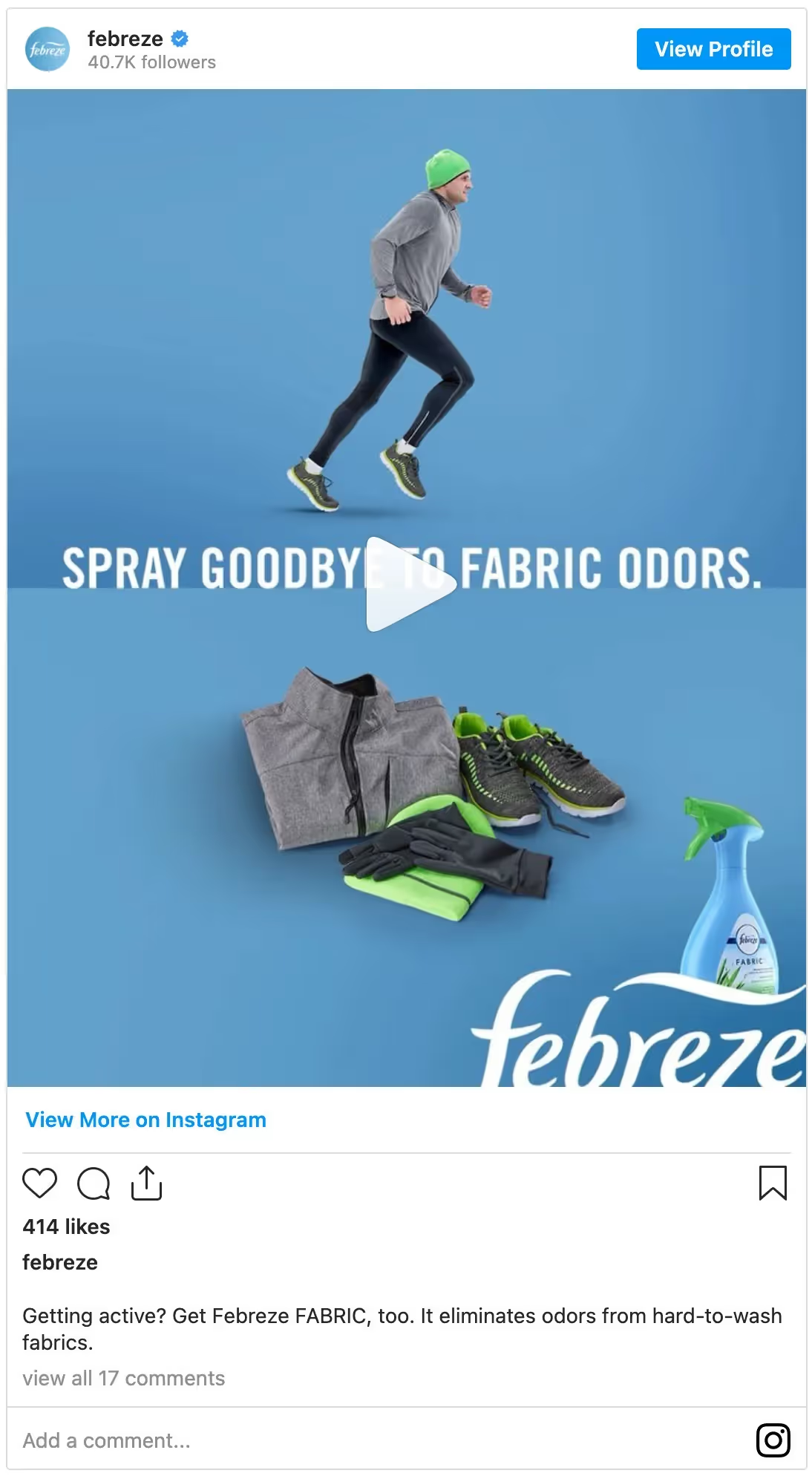
Example: Febreze uses short, domestic-life video clips to demonstrate product use and relatable mess-to-solution moments, content designed to be saved and shared. For brands in the CPG industry using social, Instagram should feel useful first and promotional second.
Twitter (X): Building Brand Voice Through Trends and Humor
X has evolved into an essential channel for personality-driven brand voice and cultural participation. CPG brands that do this well:
- Join trending conversations with quick, witty replies that reflect brand tone.
- Use timely, platform-native memes and threads to humanize the brand.
- Treat X as a place to be conversational rather than sales-first.
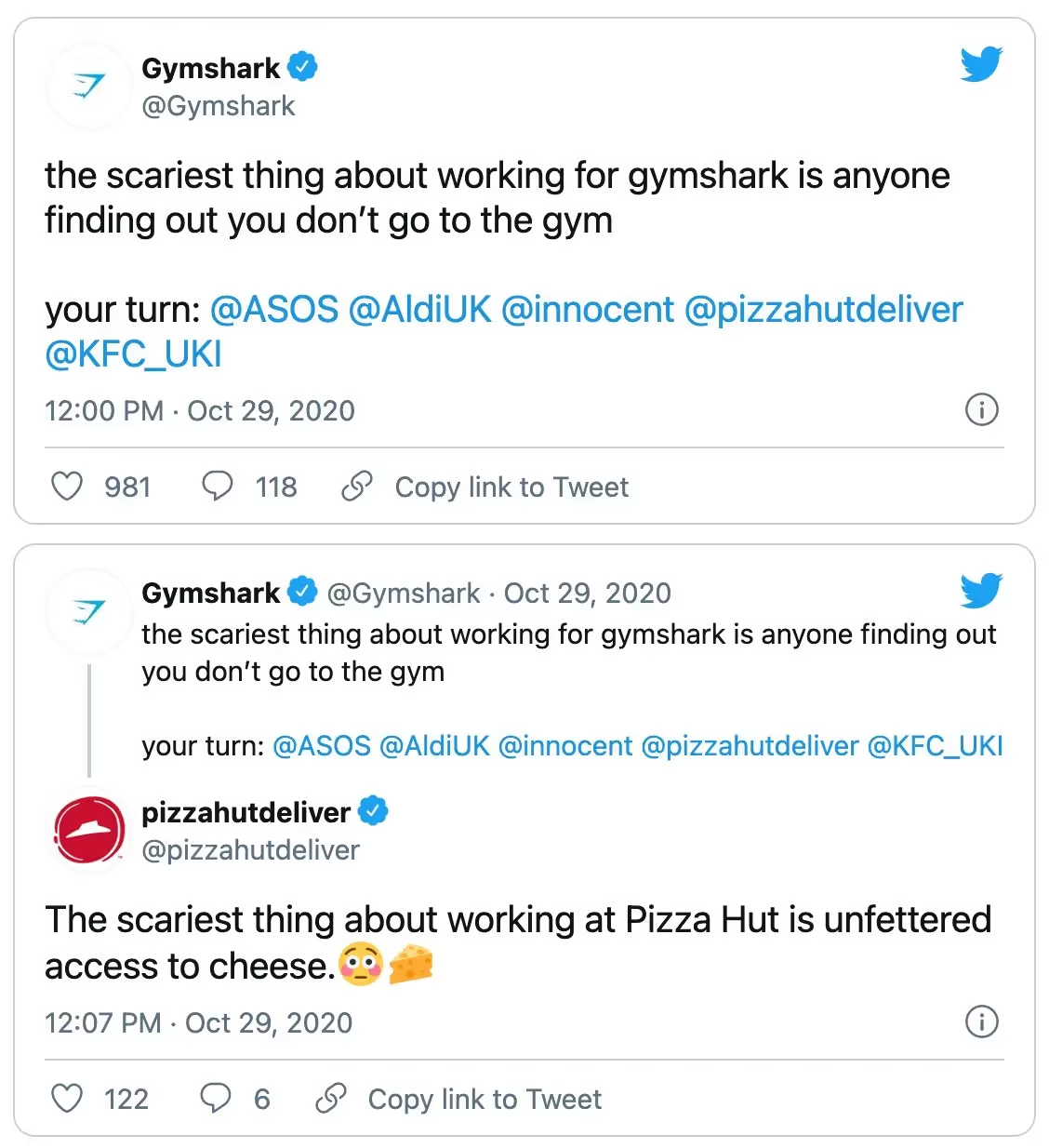
Brands like Gymshark and Pizza hut demonstrate how cheeky, fast replies can boost visibility and shape perception, especially when the replies are authentic and on brand.
Facebook: Communicating Brand Values and Social Impact
Many CPG brands emphasize values and community impact. Use Facebook to:
- Communicate brand initiatives (charity drives, support programs, diversity commitments).
- Share longer-form stories and resources for communities (e.g., caregiver tips, educational series).
- Promote integrated commerce only when the shopping experience is frictionless.
Tide and other legacy brands have moved beyond product posts to talking about social purpose and employee/consumer support programs. An effective use of the channel’s broader reach and longer-form content format.
Pinterest: Driving Product Discovery and Shopping Inspiration
Pinterest is a high-intent discovery channel for planners and shoppers, especially in Food and Drink, Home, and Parenting categories. Best practices to follow are:
- Publish educational, saveable pins that link directly to product pages or retailer listings.
- Use shopping-enabled pins so discovery converts to purchase with minimal friction.
- Treat Pinterest as a long-term content repository where recipes, hacks and product use-cases live and surface over months.
Because a high percentage of Pinners discover new products there, linking pins to retailers and product pages is key for CPG brands on social.
YouTube: Storytelling Through Long-Form Video Content
YouTube is now as much a content platform as a place for legacy ads. Top performing CPG brands are experimenting with:
- Mini-series and episodic content that build brand narratives over time.
- Short-form, highly practical videos for product use and FAQs.
- Creator collaborations for authentic product demonstrations.
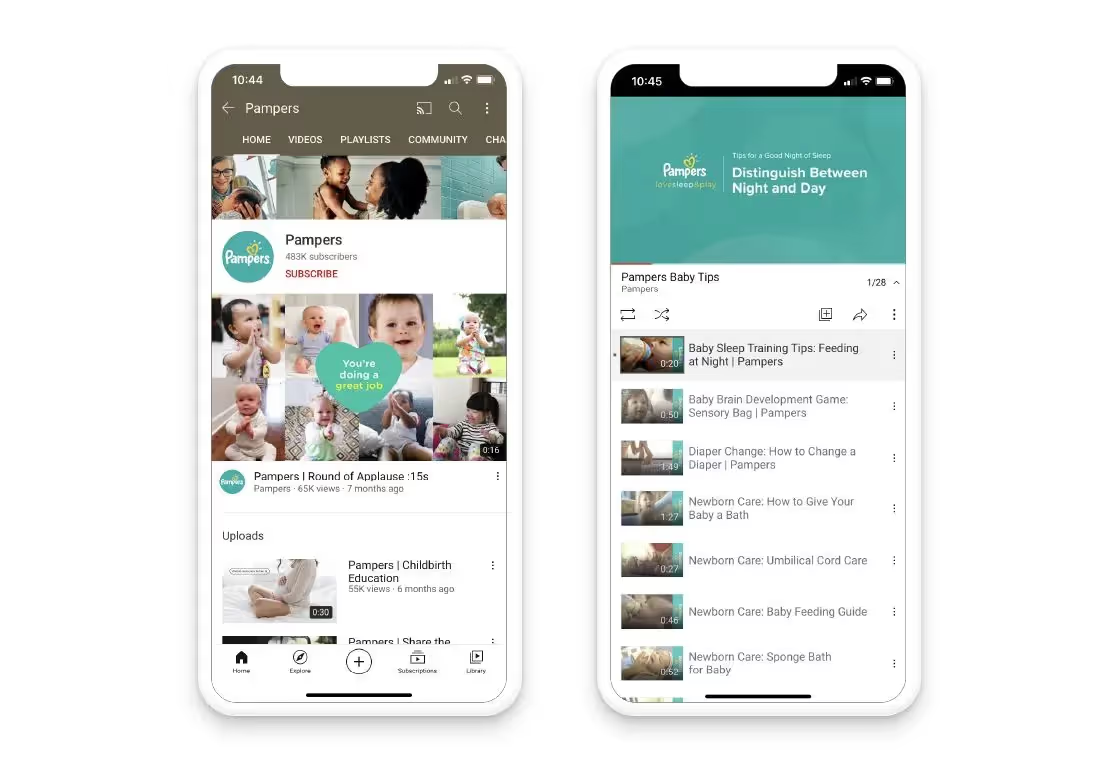
Examples: Coca‑Cola style short films or Pampers’ short parenting tip videos both show that whether you choose episodic long-form or quick tips, educational and emotionally resonant content performs well.
What Marketers Can Learn From Top CPG Social Media Strategies
The CPG industry has come a long way from the days of traditional advertising methods. Developing an authentic brand voice, conveying brand values, and educating consumers are key pillars in a cross-channel social media strategy for the industry. For top CPG brands on social media, the playbook is fairly consistent across channels.
- Educate: Show people how your product fits into their everyday lives and make it easy to understand.
- Entertain: Use creative that feels native to each platform and let your brand voice shine.
- Enable commerce: Make it simple for people to go from discovering your product to buying it.
- Demonstrate purpose: Share your brand values in a way that feels genuine and credible.
It’s also important to track how your content is performing across awareness, engagement and conversions, then adjust your creative and CTAs based on what works best on each channel.
And when your social content connects directly to commerce, through ads, shoppable posts or links to retailers, make sure you’re using UTM tracking and consistent product IDs so you can accurately attribute conversions.
CPG Brands on Social FAQs
How should I measure success for CPG social campaigns?
Combine engagement metrics (saves, comments, shares), traffic (click-throughs to product or retailer pages), and conversion metrics (sales, add-to-cart, coupon redemptions). Attribution across retailer partners may require UTM tags and agreed reporting.
Are creators important for CPG Brands on Social?
Yes. Creators bring authentic demonstrations and reach niche audiences; they can be particularly effective for product tutorials, lifestyle integrations, and regional campaigns.
Should CPG brands be on every platform?
Not necessarily. Prioritize platforms where your customers discover and shop: Instagram and Pinterest for visual discovery; Meta for broad reach and community; YouTube for longer educational content; X for timely voice and cultural engagement.

Try Dash Social Today
Less busywork, more growth. Find out how to save 10 hours each week with Dash Social.
Get a demo

.jpg)