A Beginners Guide to Pinterest Shopping in 2026
Learn how Pinterest Shopping helps brands reach shoppers and drive more product discovery.


Since its inception, brands were quick to adopt Pinterest’s unparalleled commerce capabilities. The channel, based around product discovery, has a built-in audience of motivated shoppers. Now consumers have a direct line to your Product Pins with the launch of the Pinterest Shop tab. In response to a surge in usage, as consumers adapted to new at-home lifestyles and depended more on e-commerce to meet their needs, Pinterest added a dedicated e-commerce functionality to its search tool and boards to make shopping on the visual channel easier than ever.
Key Takeaways
- Pinterest Shopping helps brands reach motivated shoppers through Product Pins and the Shop tab.
- The Shop tab makes it easier for users to discover and purchase products directly on Pinterest.
- Businesses across industries can use Pinterest Shopping to boost awareness, engagement, and sales.
- Analytics and tools like Dash Social help brands optimize performance and maximize ROI.
What Is Pinterest Shop?
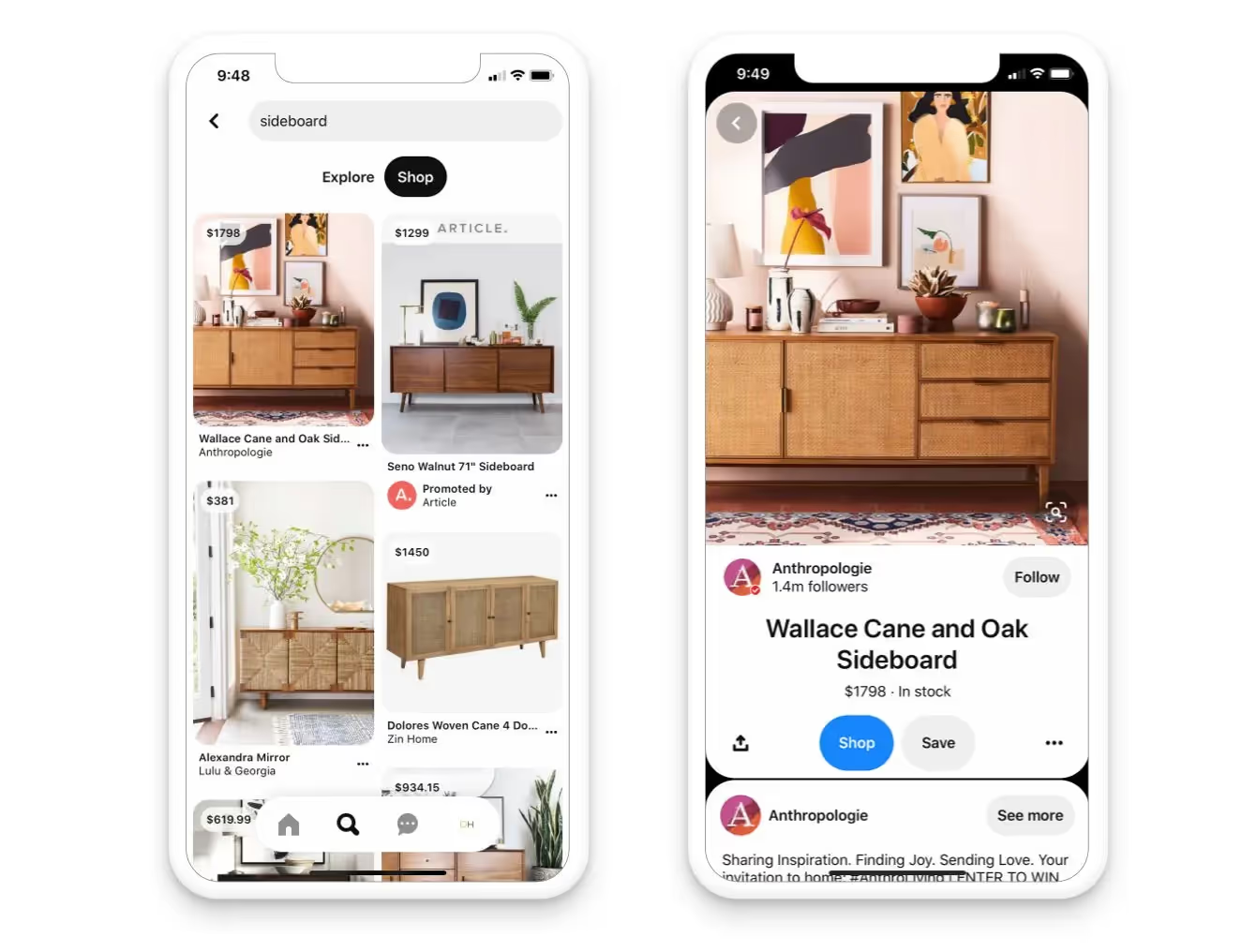
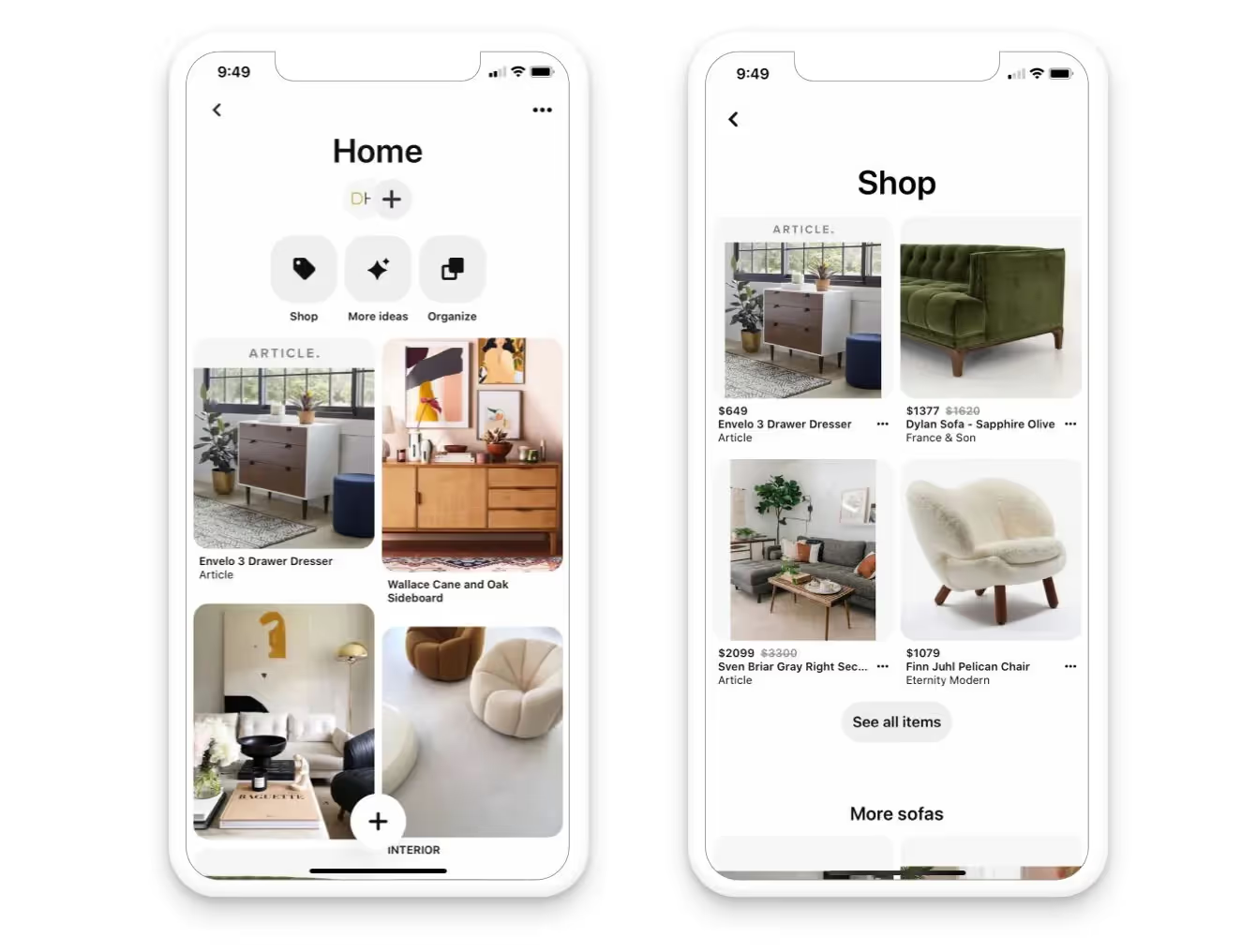
Pinterest is an image sharing social media platform that enables users to discover and save images and video into personally curated boards. So, it’s no surprise that Pinners head to Pinterest with shopping in mind. Pinterest’s newest feature serves Pinners the option to Explore or Shop at the beginning of their search. Previously, Product Pins were lost in a sea of visuals, making it harder to stand out and capture purchase-minded Pinners. The Explore tab directs Pinners to the typical feed of related Pins, while the new Shop tab takes Pinners to a feed of Product Pins—a more efficient route for purchase-minded Pinners.
Along with the addition of the Shop tab, Pinterest has made several other updates to create value for consumers and brands alike. Brands with a Pinterest business account now also have the option to link their Shopify store to their account. This makes purchasing and selling even easier.
Pinterest increased the number of shoppable pins on the platform 2.5x since 2019, effectively boosting traffic to retailers by 2.3x.

What Businesses Should Use Pinterest Shopping
When it comes to what industries should use Pinterest Shopping, the answer is all of them. Of course, some industries, such as home, fashion, food or beauty brands on Pinterest, are more partial to the aesthetic and inspiration-driven purpose of the platform. Still, almost all businesses and brands can benefit from introducing their product and story to the Pinterest community. Most businesses can effectively introduce their product offerings and tell their brand story, fostering engagement and driving sales with the shopping feature within the passionate Pinterest community.
How Brands Can Use Pinterest Shopping Online
Brands can capitalize on Pinterest shopping with Product Pins and catalogs. Product Pins allow brands to pull product descriptions, prices, and inventories directly from their e-commerce platform to create Pins ready for purchase—and send Pinners straight to checkout.
97% of top searches on Pinterest are unbranded, making it the perfect place to increase brand awareness, put your products in front of new online consumers, and deepen connections with your existing audiences. Pinterest’s new Shop tab is the extra push every brand needs to add Product Pins into the mix.
The Value of Actionable Insights
Pinterest offers the ability to check in on how your shoppable posts are doing through their native Pinterest analytics tools. Within these in-depth insights tools, you’ll be able to track the most critical metrics for your posts, such as engagement, impressions, and more.
If you’re looking to take your Pinterest insights one step further, Dash Social can surface meaningful insights that inform which Pins are engaging your brand’s target market the most and, ultimately, driving traffic and revenue. Marketers can uncover what visuals are inspiring action from Pinners and monitor KPIs to have a pulse on their brand’s Pinterest performance. This insight fuels visual selection and equips brands with the tools they need to maximize ROI and capitalize on the revenue driving opportunities that Pinterest has to offer.

Step-by-Step Setup Instructions
Getting started with Pinterest Shopping is straightforward, and brands can enable shopping features in just a few steps. First, ensure you have a Pinterest Business account, then upload your product catalog through Pinterest’s Catalogs feature or connect your store through an e-commerce partner like Shopify.
Once your catalog is approved, Pinterest will automatically generate Product Pins, which display key details like real-time pricing, availability, and direct links to purchase. From there, you can organize your products into curated boards and ensure they appear in Pinterest’s dedicated Shop tab, making it easier for shoppers to discover and buy from your brand.
Eligibility and Requirements
To access Pinterest Shopping, brands must meet a few key requirements. You’ll need a Pinterest Business account, an active website or online storefront, and a product feed that complies with Pinterest’s merchant guidelines.
Many brands also apply for Pinterest’s Verified Merchant Program, which provides a blue check mark that builds trust and improves visibility for shoppers. Integrations with platforms like Shopify can streamline the process by automatically syncing your inventory and product information, helping you launch shopping features faster.
Best Practices for Product Pins
To get the most out of Pinterest Shopping, brands should optimize Product Pins for both discoverability and conversion. Use high-quality visuals, clear branding, and lifestyle imagery that inspires action. Incorporate keyword-rich titles and descriptions, since most Pinterest searches are unbranded and shoppers often search by category or intent rather than brand name.
Accurate product details, including pricing, availability, and links, are essential for creating a seamless path to purchase. Consistently testing new creative, refreshing your catalog, and tracking performance through analytics will help you improve engagement and maximize ROI over time.
Pinterest Shop FAQs
Is Pinterest an online store?
Pinterest is not an online store in itself. That being said, the format of Pinterest’s platform allows many online stores to sell and promote their products using Pins and boards.
How do I get sales on Pinterest?
The best way to gain organic sales from Pinterest is to start with a solid Pinterest strategy. Use the analytics tools at your disposal to check in on your current posts and to see what’s working and what’s not.
If you’re happy with your Pinterest strategy and output, but still aren’t seeing the results you want, Pinterest advertising is another great option. Pinterest has one of the more affordable ad programs, that has a lot of proven success for retail brands looking to increase their sales.
Is it safe to buy on Pinterest?
Yes. The platform even launched a Verified Merchant program to recognize verified retailers with a blue check mark, cultivating trust between brands and consumers on Pinterest. So, if you’re unsure about whether a brand is safe or not, check for that blue check mark. If it’s not there, do some extra research on the brand and product through other platforms and reviews.