What’s the Difference Between Content Creation vs. Content Curation?
Learn what the data says about curated vs. created content performance.
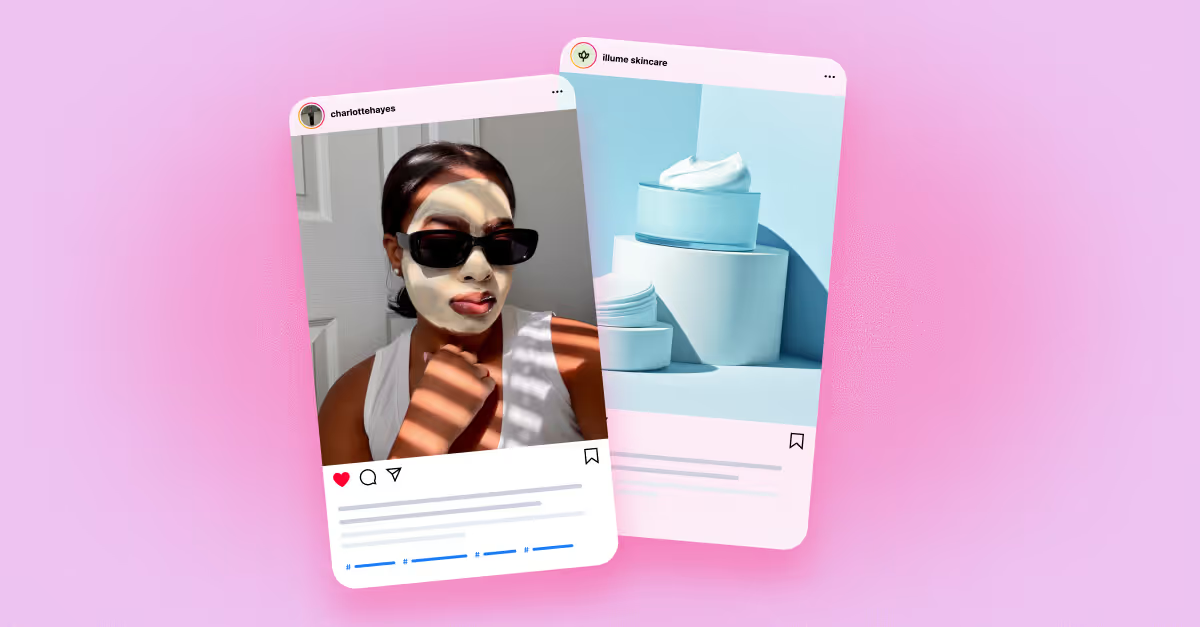

Content creation sits at the core of every strong social media strategy. Content creation allows you to develop your brand identity and voice with original content, while content curation brings in external perspectives that act as social proof and help build trust and form new connections with online audiences.
Key Takeaways:
- Content creation is original, while content curation is sourced.
- Use content creation to define your brand and content curation to build credibility and consistency.
- Content curation can be used to support discoverability and thought leadership by linking to relevant topics.
- Both creation and curation are important to create a well rounded content mix. Start with a 50/50 split and optimize based on results.
The Key Differences Between Creating and Curating Content
Content creation and curation follow different processes and often serve different purposes. Knowing when is best to leverage each helps you craft a balanced strategy that supports business goals. Here is a clear breakdown of how they differ, what each brings to your strategy, and how UGC creators fit into the picture.
Here is how created content differs from curated content:
- Produced by your brand, your team, or UGC creators.
- Offers full control over messaging, visuals, and timing.
- Highlights product stories, campaigns, and brand expertise.
Here is how curated content differs from created content:
- Curated content is sourced from other creators, industry leaders, or customers.
- Allows you to add variety while boosting credibility and trust with second-hand insights.
- Helps expand on key topics or themes without needing to create content from scratch.

Content Curation Benefits
Content curation can save time, but this doesn’t mean it’s ‘the easy way out’. Curated content should align with major marketing goals, social media tactics, and overal campaign themes, which can benefit your brand by infusing a layer of trust and personality beyond your own content. Who you work with help define brand identity as well, and the right mix of content curation can help tell your audience who you are.
Saves Time
Content creation is a lengthy process, often involving multiple stakeholders. While it has its time and place, curated content can be produced and shared faster, helping to fill in calendar gaps and increase overall efficiency.
Leverage Dash Social’s publishing request in Creator Management, to seamlessly request posting permission while scheduling content.
Why it matters: Curation reduces production needs and helps you publish consistently without slowing down your workflow.
Boosts SEO
While curated content might not seem like the most immediate social media SEO booster, it helps reinforce your brand’s priorities. When you reshare high-authority sources and link to relevant pages in your captions and comments, you help search engines connect your brand with this subject. This is particularly important on platforms like Instagram, whose content can be surfaced on Google, and Pinterest and YouTube, which are forms of search engines in their own right.
Why it matters: It strengthens topic authority by connecting your brand to reputable sources and relevant keywords.
Stay Ahead of Industry Trends
Sharing relevant content lets you stay on top of what’s trending, while sharing industry-specific content can help establish your brand as a thought leader. Curating timely articles, reports, and insights help you spot shifts early and share them while they’re still gaining traction. Reposting even humorous content shows your finger is on the pulse of what’s trending, while positioning your brand as a trusted voice that’s part of key conversations.
Why it matters: Staying ahead of industry trends keeps your brand informed and visible, positioning your brand as an early adopter, particularly as trends gain momentum.
Content Curation Best Practices
Content curation works best when you’re intentional about what you share and why you’re sharing it. Your ultimate goal should bring value to your audience (even if this value is entertainment that’s relevant to your brand) and support your overall marketing efforts.
The following best practices help you curate content with purpose and consistency:
Use a Mix of Content Types
Share a range of formats, including feed posts, short-form videos, carousels, Stories, and creator content. Each format serves a different purpose, keeping your social channels varied. This helps your audience stay engaged without relying on a single style of content.
Tip → Segment content by categories or types, so you can access it quickly and easily from your content library, using Content Performance Predictions to gauge which pieces of UGC are most likely to perform.
Explore Different Platforms
Want to curate great content? Look beyond your primary channel. Pull insights and posts from Instagram, TikTok, YouTube, LinkedIn, Pinterest, and even relevant newsletters. These can be repurposed in X posts, TikToks discussing interesting industry insights, a quick Instagram Story post, or even to add value to an Instagram captions. Look for interesting ways to engage your audience, such as sharing a relevant statistic with a quick poll to gauge your audience's reaction or feelings about a certain topic.
Tip → Set up a weekly 20-minute sweep of your top platforms and newsletters, save standout posts in a shared folder, and tag each item by theme so your team can repurpose fast.
Ensure Content Reflects Brand Voice
Even when the content isn’t yours, it should still feel like it fits your brand. Add captions that give context, reinforce your point of view, or guide the audience on why it matters. Avoid resharing anything that feels off-brand or misaligned with your values.
Tip → Write a quick note or caption for every curated post that explains why it matters to your audience and ties back to your brand’s perspective.
Track Performance
Review engagement, saves, shares, and click-throughs to understand what curated posts deliver value. Patterns will show you which topics and formats your audience responds to and which sources you can rely on. Use those insights to shape future curation and maintain a channel that feels relevant and intentional.
Tip → Create a monthly report that highlights top performers, marking each post by topic and format to understand what your audience consistently engages with so you can adjust your curation plan accordingly.
Content Creation Benefits
While curated content is an effective social media tactic, content creation is essential and tells your audience who you are. If you saw a social media company that produced no original content, would you trust them? Likely not.
Content creation lets brands reinforce their expertise. Here are some other benefits to content creation:
Establish Thought Leadership
Sharing original insights, expert takes, and useful explanations positions your brand as a knowledgeable source in your space. Consistent, high-quality content helps audiences understand how you think and why your perspective is valuable.
Why it matters: When people see your brand as a credible voice, they return for guidance, reference your content, and trust your recommendations, which strengthens authority over time.
Builds Brand Voice
Each post your brand makes offers you a chance to shape how your brand communicates and shows up online. Clear, consistent messaging helps audiences understand precisely who your brand is and can even position your brand as a leader for a specific type of voice. Think of Wendy’s and their unique take on humour. Now, brands with a comedic voice are often and easily compared to Wendy’s unique approach to social media.
Why it matters: A strong voice creates familiarity. It makes your content more memorable and sets you apart from competitors offering similar products or insights.
Enhances Trust
Offering fresh perspectives and responding to audience comments helps build trust by showing your audience you’re engaged and listening. In fact, 81% of audiences must trust a brand before making a purchase, so ensuring you build trust at each digital touchpoint is crucial.
Why it matters: Trust can drive action, influencing how often people engage with your content and can persuade them to partake in your brand’s community or make a purchase.
Content Creation Best Practices
Content creation works best when it’s organized, creative, and intentional. Planning and using the right content creation tools, leaning into AI for content creation, and prioritizing audience feedback help you make the best content possible while maintaining a thorough but consistent workflow. Here are some best practices for content creation:
Leverage AI-Powered Content Recommendations
AI marketing tools like Dash Social’s Predictive Vision AI help social teams predict content performance, learn which visual trends resonate with audiences, and help brands navigate new creative directions before posting, reducing risk.
BBC Studios uses Dash Social’s creative intelligence solutions to understand audience preferences and predict how content will perform. Using Dash Social, BBC Studios has increased TikTok profile views by 559%.
Tip → Review Vision AI predictions before drafting your next post so you can shape concepts around formats and themes most likely to perform.
Plan Ahead With a Content Calendar
We’ve all heard it: failure to plan is planning to fail. A clear social media content calendar keeps you consistent and makes room for both thoughtful planning and quick, timely content that needs to be published immediately.
Tip → Planning to go to a trade show, for example? Brainstorm some trends or content ideas ahead of time so you’re not scrambling for content when the time comes.
Find Opportunities To Repurpose Content
Refresh high-performing posts, break down longer videos into short clips or turn insights into carousels to extend value. Repurposing content allows you to scale your presence without starting from scratch each time.
Tip → Segment specific content to a Board for reposting, adding notes for ideas on how the content will be reused.
Measure Performance
Review metrics such as engagement, shares, watch time, and saves to understand what’s resonating. Look for patterns in formats, topics, and creative styles, then adjust your strategy based on what consistently performs.
Tip → Schedule a monthly check-in to compare metrics across formats and topics, then use those insights to adjust your content plan for the next cycle, so you’re consistently developing learnings and actions.
Is Content Creation or Curation Better for Your Strategy?
Yes, a combination of curated and created content is recommended for digital marketers, but brands should aim for about 60% curated content and 40% created content.
Curated content receives 33% more link clicks than created content, so finding opportunities to leverage it with data, repurposed content, and other forms of curated content is particularly beneficial when conversions are a central focus of a given campaign. Focused on driving lead generation or boosting product sales? Curated content is a no-brainer to use to reach your goals.
Ultimately, the best mix will depend on their results and which content best serves their business goals.
Content Creation vs. Curation FAQs
How do I decide whether to create new content or curate existing material?
Choose creation when you need original insights, product storytelling or moments that require your unique point of view. Curate when you want to share timely information, fill gaps in your publishing schedule or amplify conversations already happening in your space. A balanced mix keeps your channels active without stretching your resources.
How do I identify the right content to curate that will resonate with my audience?
Start by using social listening tools to monitor the topics, formats, and conversations your audience already engages with, then look for sources that add value. Vision AI can help surface high-performing themes and predict what’s most likely to land, making it easier to choose content that aligns with audience interest.
How can I ensure curated content aligns with my brand voice and values?
Set clear guidelines for tone, topics, and even sources, then add captions or framing that reflect your perspective. Every curated post should reinforce what your brand stands for and why the content matters to your audience. If something feels even slightly off-brand, skip it and look for a better fit. Remember, quality over quantity is essential for curated or created content.