The Marketers Guide to Building Customer Loyalty
Turn social engagement into lasting loyalty that drives repeat purchases and brand advocacy.


Social media and customer loyalty go hand in hand. It's the modern medium that helps brands harness emotional engagement when building trust with their consumer base.
Understanding and nurturing customer loyalty can be a game-changer for social media managers, especially those navigating the often-changing trends of Millennial and Gen Z audiences. Social media becomes a place for to showcase your latest product or campaign, build connections and earn trust. When done right, social platforms become the ultimate loyalty drivers, turning casual scrollers into devoted fans who stick around and keep coming back for more.
Key Takeaways:
- Customer loyalty turns one-time buyers into repeat customers, brand advocates, and long-term revenue.
- Social media plays a direct role in loyalty because it helps brands build trust, connection, and community at scale.
- Loyal customers do more than buy again, they engage with content, recommend brands to others, and increase share of wallet.
- Consistent engagement, valuable content, exclusive perks, and active listening are some of the most effective ways to build loyalty on social.
- The strongest loyalty programs reward customers in ways that feel personal, relevant, and easy to engage with across social channels.
What Is Customer Loyalty?
Customer loyalty is a customer’s decision to keep choosing one brand over others in the same category. It goes beyond repeat purchases. It reflects trust, preference, and a stronger connection to the brand itself.
Loyal customers are not only buying a product. They are buying into the brand’s values, point of view, and overall experience. That loyalty can lead to more frequent purchases, stronger word-of-mouth, and a greater willingness to spend more with a brand they already trust.
At its core, customer loyalty is about turning one-time buyers into long-term customers.
Why Customer Loyalty is Important
Customer loyalty is important because it drives repeat business and transforms existing, satisfied customers into something more, brand advocates. Brand advocates amplify your message on social media.
Loyal customers are more likely to share positive experiences, recommend your brand to others and engage with your content, which can boost your brand’s visibility and credibility for similar members in a demographic. On social media, customer opinions can quickly sway public perception, so maintaining a strong sense of loyalty helps build a dedicated community supporting your brand, leading to sustained growth and higher customer lifetime value.
How To Increase Customer Loyalty
Building customer loyalty on social media takes more than staying active. It takes consistent interaction, relevant content, and a brand experience people want to come back to.
The strongest brands create value beyond the transaction. They stay engaged, listen to their audience, and give customers clear reasons to keep choosing them.
Here are five ways to build customer loyalty on social.
Engage consistently
Responding to comments, messages, and mentions shows customers that your brand is paying attention. That kind of responsiveness helps build trust and makes the relationship feel more personal.
Create content people care about
Loyalty grows when content feels useful, entertaining, or relevant. That can mean educational posts, behind-the-scenes moments, user-generated content, or creative that reflects your community, not just your products.
Offer exclusive perks
Exclusive offers can give customers a reason to stay close to your brand. Early access, special discounts, members-only drops, and giveaways can all help make loyalty feel tangible.
Build a sense of community
The most loyal audiences often feel like they are part of something bigger than a purchase. Encourage conversation, highlight your community, and create opportunities for customers to engage with both your brand and each other. All of these tactics work together to help build your community overtime.
Act on feedback
Customer loyalty gets stronger when people feel heard. Ask for feedback, pay attention to what customers are saying, and show how their input shapes the experience you deliver.
Together, these strategies can help turn passive followers into active advocates who keep coming back and bring others with them.
How To Measure Customer Loyalty
Customer loyalty is not just about whether someone comes back. It is also about how often they choose your brand, how much they spend, and how strongly they engage over time.
A few key metrics can help you measure that more clearly.
Repeat purchase rate
Repeat purchase rate shows how often customers return to buy again. A higher rate usually signals stronger loyalty and a greater likelihood of long-term retention.
Net promoter score
Net promoter score, or NPS, measures how likely customers are to recommend your brand to others. It is a useful way to understand satisfaction, trust, and overall brand affinity.
Customer lifetime value
Customer lifetime value measures how much revenue a customer generates over the course of their relationship with your brand. Higher lifetime value often points to stronger loyalty and a more valuable customer relationship.
Share of wallet
Share of wallet shows how much of a customer’s total spending in your category goes to your brand instead of competitors. It is one of the clearest ways to measure customer preference in action.
Social media engagement
Metrics like likes, comments, shares, saves, and mentions can help show how actively your audience is connecting with your brand. Over time, a strong Entertainment Score and engagement rate can be the signals that customers are not only buying, but also building a deeper relationship with your brand.
Taken together, these metrics give brands a clearer view of how loyalty is growing, where it is strongest, and where there is room to improve.
Types of Customer Loyalty Programs
There is no one-size-fits-all approach to customer loyalty. The right program depends on your audience, what motivates them, and how your brand builds value over time.
Some customers respond to simple rewards. Others are more motivated by exclusivity, access, or recognition. The goal is to choose a model that fits naturally with your customer experience and gives people a clear reason to stay engaged.
Here are four common types of customer loyalty programs, and why they work.
Points-Based Programs
Points-based programs are one of the most common loyalty models because they are easy to understand and easy to use. Customers earn points for purchases or other actions, like referring a friend or engaging with the brand, then redeem those points for discounts, free products, or exclusive perks.
They work well because the value exchange is clear. Customers know what they need to do, and they know what they will get in return.
Social media can help keep these programs top of mind by highlighting rewards, reminding customers what they can earn, and showing how others are using their points.
Tiered Programs
Tiered loyalty programs reward customers based on how much they spend or how often they engage. As customers move up through different levels, they unlock stronger perks, more exclusivity, or better rewards.
This structure works because it gives customers something to work toward. It adds momentum to the loyalty experience and makes continued engagement feel more meaningful.
Sephora’s Beauty Insider program is a strong example. Its tiered system gives customers a clear path to more value over time, which helps keep the program engaging well beyond the first purchase.
On social, brands can use tiered programs to spotlight benefits, build aspiration, and show customers what becomes available at each level.
Referral Programs
Referral programs turn existing customers into advocates by rewarding them for bringing new customers into the fold. That reward could be a discount, store credit, free product, or another incentive tied to a successful referral.
These programs work because they build on trust that already exists. A recommendation from a friend often carries more weight than a traditional ad, which makes referrals a powerful way to drive both loyalty and acquisition.
Social media plays a natural role here. It gives customers an easy way to share referral links, spread the word, and bring the program into everyday conversation.
VIP or Membership Programs
VIP or membership programs focus on exclusivity and access. Instead of earning rewards one transaction at a time, customers get ongoing benefits for joining a program or reaching a high-value segment.
Those benefits might include early access to launches, members-only offers, personalized rewards, or exclusive experiences. This model works especially well for brands that want loyalty to feel premium and relationship-driven.
Social can help make these programs more visible by giving audiences a preview of what members get, from exclusive drops to limited-time access. That kind of content can make the value of joining feel more immediate and more desirable.
The best loyalty programs are not just built around rewards or points. They are built around customer behavior.
Some brands need a simple points system. Others benefit more from tiers, referrals, or exclusive membership models. What matters most is choosing a structure that matches your audience and gives them a compelling reason to keep coming back.
For social-first brands, that also means building a program people can see, understand, and engage with easily across channels.
Customer Loyalty Programs Getting It Right
The best loyalty programs do more than reward repeat purchases. They give customers a reason to stay engaged with the brand between transactions.
That’s what makes social such an important part of the mix. It keeps loyalty programs visible, gives brands a channel to promote exclusive perks, and turns rewards into something customers want to talk about and act on.
Here are three brands that do it well, and what marketers can learn from their approach.
Sephora makes loyalty feel aspirational
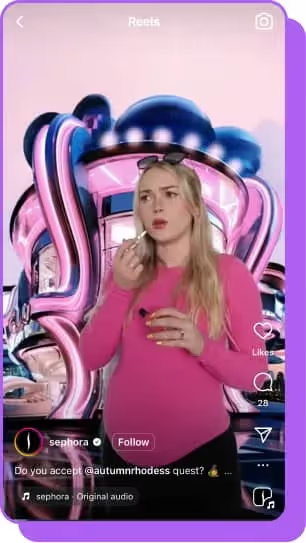
Sephora’s Beauty Insider program remains one of the strongest examples of loyalty done well in beauty. Its tiered structure, Insider, VIB, and Rouge, gives customers a clear path to more value as they spend more. That progression helps the program feel rewarding at every level, while still giving top customers something to work toward.
What makes it especially effective on social is how Sephora keeps the program active in the customer’s mind. New rewards, exclusive offers, product drops, and tips for using points all give the brand a steady stream of content tied back to the loyalty experience.
The result is a program that feels bigger than discounts alone. It feels like access.
What marketers can take away
Sephora shows that loyalty works best when it feels earned and elevated. A clear tier system, strong rewards, and consistent social support can turn a program into an ongoing brand experience.
Starbucks makes rewards part of the everyday routine
Starbucks Rewards works because it fits naturally into an existing habit. Customers are already visiting regularly, and the program gives them an easy reason to keep choosing Starbucks over other options.
Members earn stars with each purchase, then redeem them for drinks, food, and other perks. On top of that, Starbucks keeps the experience fresh with personalized offers, limited-time challenges, and seasonal promotions that create more frequent reasons to engage.
Social helps bring that momentum to life. Promotions, bonus opportunities, and timely offers give the rewards program visibility and make it feel like a core part of the overall brand experience instead of a separate initiative.

What marketers can take away
Starbucks proves that loyalty programs are strongest when they are simple, habitual, and easy to understand. When the value is clear and the cadence is consistent, customers have a reason to come back again and again.
Amazon Prime turns membership into everyday value
Amazon Prime is not a traditional points-based loyalty program, but it is one of the clearest examples of how strong perceived value can drive loyalty at scale.
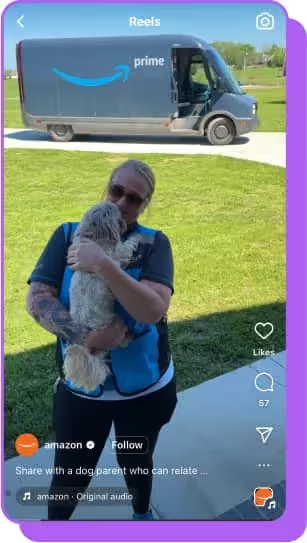
Instead of offering points, Prime gives members access to benefits they can use across different parts of their relationship with the brand, from shipping and entertainment to exclusive deals and major shopping moments like Prime Day. That breadth is what makes the membership feel sticky. Customers are not engaging with one reward. They are buying into an ecosystem of convenience.
Social plays an important role in reinforcing that value. It gives Amazon a place to remind customers what membership unlocks and to build anticipation around exclusive events and offers.
What marketers can take away
Amazon shows that loyalty does not always need to look like points and tiers. When a program consistently delivers practical, visible value, it can become part of how customers choose to shop in the first place.
The bigger takeaway for marketers
These programs look different, but they succeed for the same reason. They make loyalty feel tangible.
Sephora builds aspiration into the experience. Starbucks builds loyalty into routine. Amazon Prime builds it into convenience and access.
In every case, social helps keep that value visible. It reminds customers what they get, gives brands a reason to stay in the conversation, and helps loyalty feel like an active part of the customer experience instead of something sitting quietly in the background.
The strongest loyalty programs do not only reward customers after they buy. They give them a reason to keep coming back before the next purchase happens.

Try Dash Social Today
Less busywork, more growth. Find out how to save 10 hours each week with Dash Social.
Get a demoTransform Community Into Loyalty With Dash Social
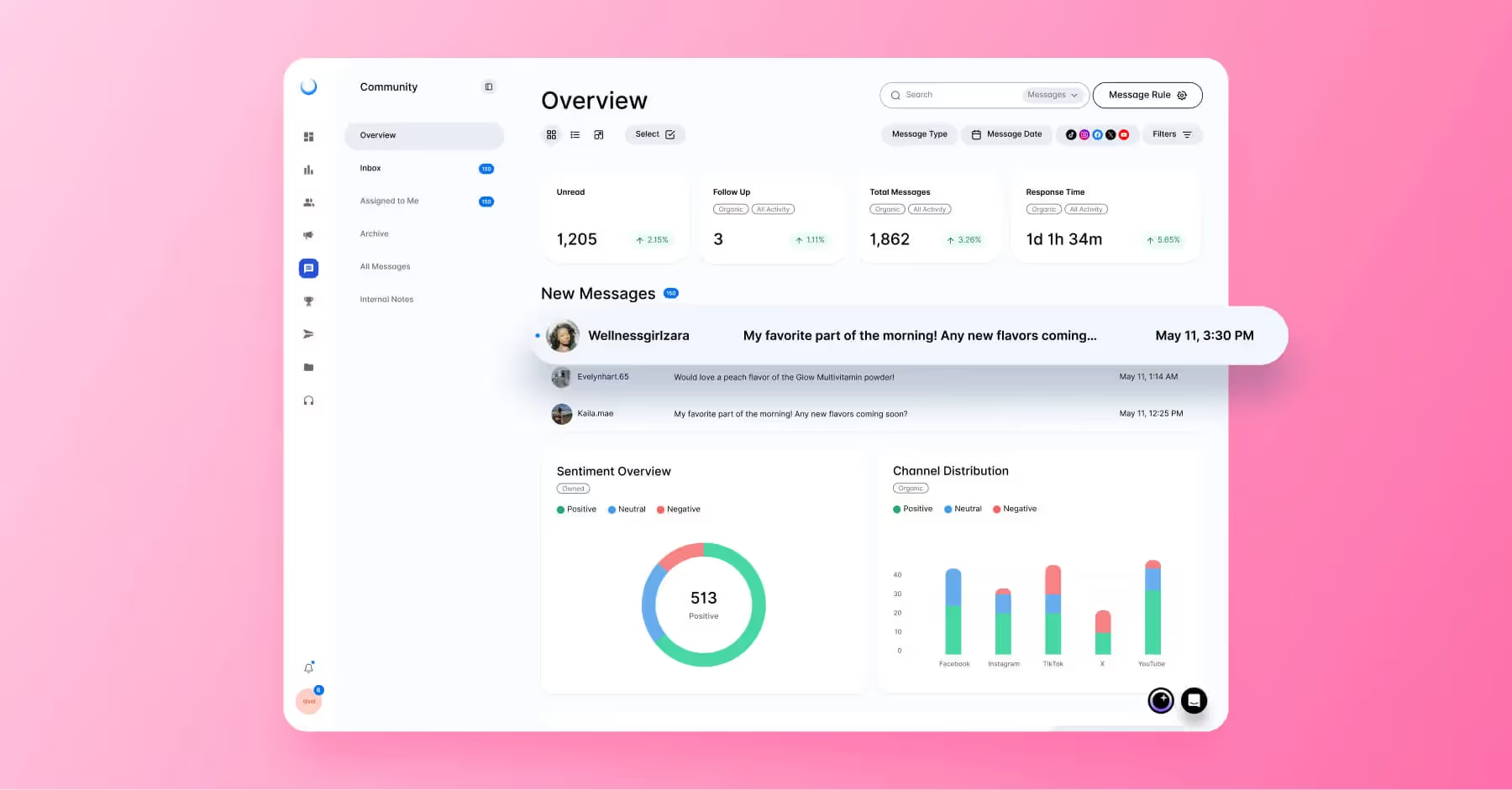
Brands can take their loyalty programs to the next level by tapping into Dash Social's Community Manager. With this feature, you can gather insights directly from your most loyal customers and join conversations to discover what they’re talking about and what matters to them most. Community Manager also features sentiment analysis to help your team gauge not just what your customers are saying about your brand but how they feel about your brand, too. With this data, you can fine-tune your loyalty programs to meet (and exceed) their expectations, ultimately boosting customer loyalty and creating a more connected, satisfied, and loyal community.
Customer Loyalty FAQs
What is the difference between customer loyalty and customer retention?
Customer retention measures whether customers keep coming back. Customer loyalty goes deeper. It reflects preference, trust, and a stronger connection to the brand, even when other options are available.
How can social media improve customer loyalty?
Social media helps brands stay visible, engage directly with customers, respond to feedback, build community, and create more reasons for customers to stay connected between purchases.
What are the most common types of customer loyalty programs?
Some of the most common loyalty programs include points-based programs, tiered programs, referral programs, and VIP or membership programs. The best option depends on your audience, business model, and customer behavior.
What makes a customer loyalty program successful?
A strong loyalty program offers clear value, is easy to understand, and gives customers a reason to come back. The best programs also feel connected to the overall brand experience, not separate from it.
How do loyalty programs increase repeat purchases?
Loyalty programs encourage repeat purchases by rewarding customers for coming back. They can also create stronger habits through exclusive perks, limited-time offers, and milestone-based rewards.
What is share of wallet?
Share of wallet is the percentage of a customer’s total category spend that goes to one brand. In simple terms, it shows how much of their spending you are capturing compared to competitors. It is an important loyalty metric because it reflects customer preference in a measurable way. A customer may buy from your brand more than once, but share of wallet shows how often they choose you over other options.


.jpg)