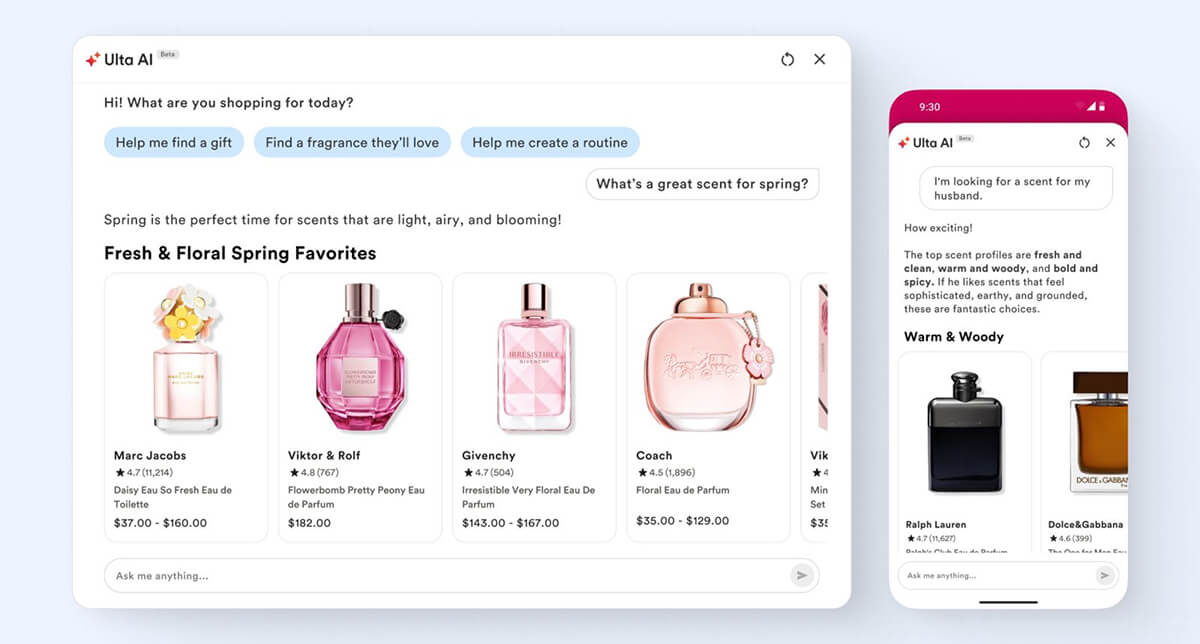
6 Ways Your Brand Should Be Using AI on Social Media
In this blog, learn first-hand how brands are harnessing the power of AI on social media and how you can too.

We’re finally ready to say it: AI is inevitable. You may have spent the last weeks, months, or even years avoiding AI like the plague, but it has finally infiltrated nearly every aspect of the online and social media world. But this isn’t a bad thing. In fact, AI and social media have become so well-integrated that they form a perfect pair for any social tactic or strategy. Let’s dive into how to make it work with and for you.
Key Takeaways:
- Social media AI refers to the use of artificial intelligence to support or enhance various aspects of a social strategy or platform. It is often used in relation to copy creation and idea generation.
- There are many safe ways to get started using AI for social media, including for performance predictions, content ideation, customer support, performance analysis, and more.
- While AI on social media has its advantages, such as saving time and personalization, it also has its drawbacks, including a lack of authenticity and potential bias.
- You should never view AI as a replacement for anything, but rather as an enhancement that makes your life and that of your team easier.
- AI tools are not one-size-fits-all. Determine what you want your AI to support you with, and then go on the hunt for the right one.
What Is AI in Social Media?
AI for social media refers to the application of artificial intelligence (AI) to enhance various aspects of social media platforms and strategies. AI technologies and techniques are used in a wide range of tasks, including analyzing daily data, creating content for images and videos, user interactions, social listening, ad management, sourcing AI social media influencers, campaign support, and overall brand awareness.
How Is AI Used in Social Media?
AI transforms social media strategies by automating post copy, optimizing posting schedules, analyzing data and performance, and aiding content creation. This automation and data-driven approach enables brands to connect more effectively with their audience.

6 Ways To Safely Use AI with Social Media
One of the primary concerns associated with AI and social media is the safety and security of it all. While there are absolutely ways you can use AI in an unsafe and damaging way, there are plenty of completely safe ways that you can and should be integrating AI into your daily workflows.
1. Performance Predictions
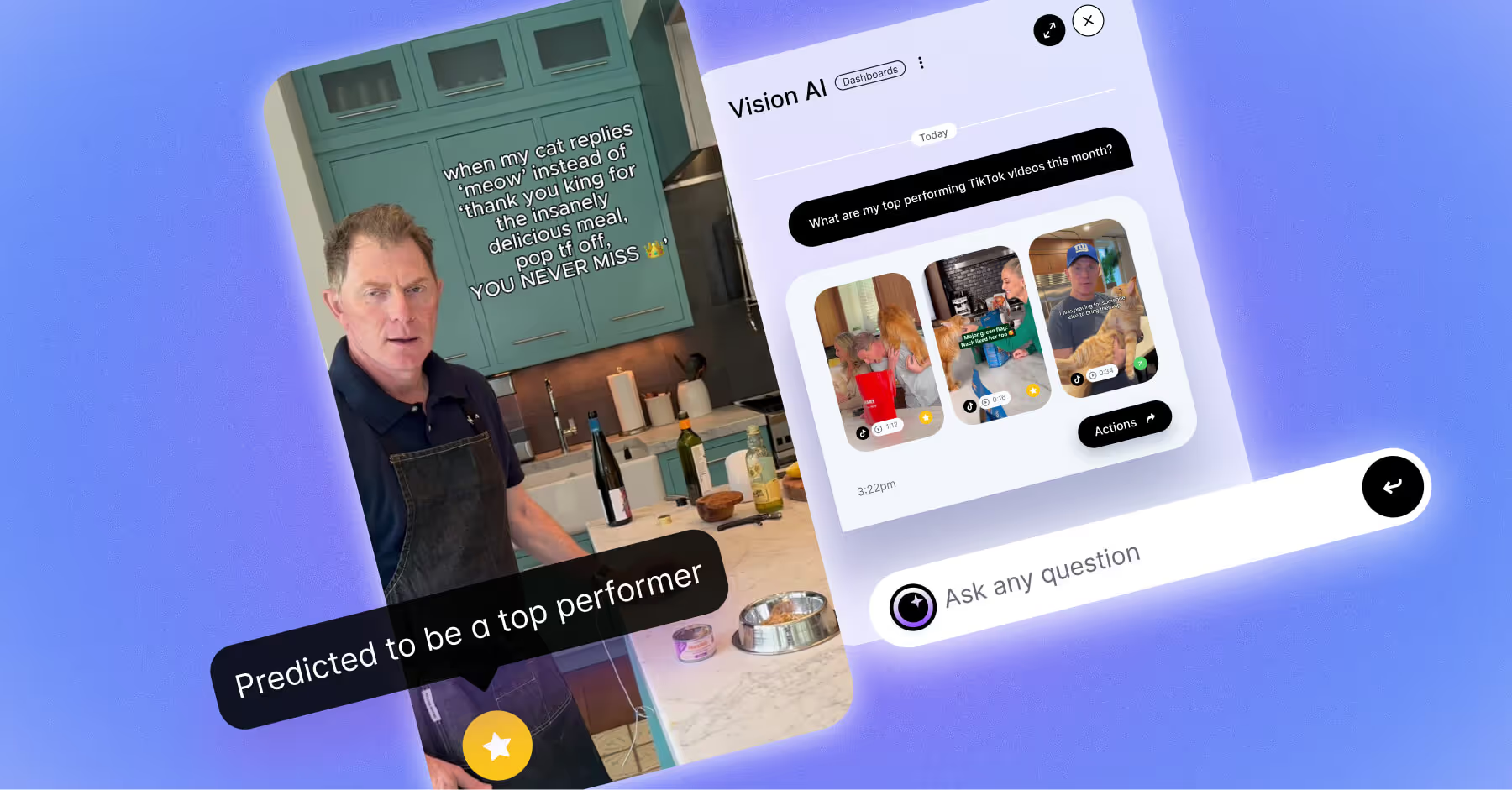
Wouldn’t it be amazing if you could know how something was going to perform before even posting it? Tools like Dash Social’s Predictive AI consistently work in the background to track performance trends, meaning they can accurately predict whether a piece of content is going to be a top-performer, an average performer, or a low performer. This is all done within the library, allowing brands to upload as many photos as they want and use these predictions to inform their content strategy.
2. Customer Support
AI can help brands deliver faster, more personalized customer support by automating routine tasks, providing 24/7 availability (through chatbots), and even boosting agent productivity with auto-drafted replies or conversation summaries. AI should never be used to replace real customer service agents, but instead be leveraged to make their jobs easier, allowing them to better anticipate customer needs and provide solutions before the problem or need escalates.
3. Creator Identification
Looking for the right creators for your brand collaborations can be extremely tedious, but AI streamlines the entire process by allowing you to analyze massive volumes of creators and their content to pinpoint the best fit. Not only that, but AI can also identify emerging or trending creators, detect authentic or suspicious engagement patterns, and recommend creators it thinks would naturally align with your brand’s target audience.
4. Content Ideation
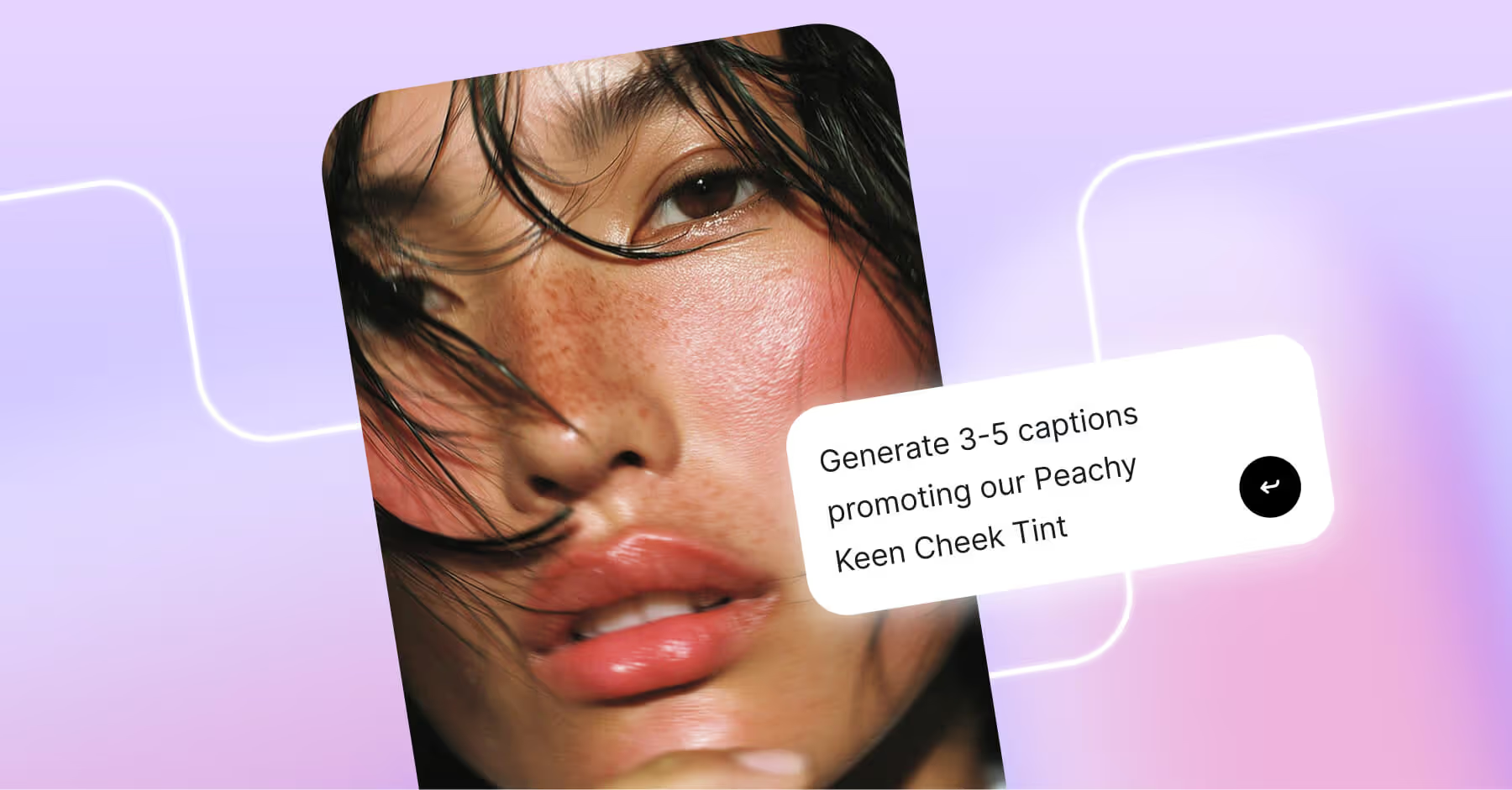
Coming up with the ideas is sometimes the hardest part. Feed AI simple prompts like “TikTok content ideas for [X type of product]” to help get your brainstorms off the ground, or better yet, use it to help you fully form an idea you’ve had sitting in the back of your mind but haven't quite yet been able to contextualize. This is one of the simplest and most effective ways to utilize AI, posing no risk and can be implemented as soon as yesterday.
5. Social Listening and Trend Monitoring
Social listening, sentiment analysis, and trend monitoring are some of the most challenging tasks to perform manually; fortunately, AI makes this easier by continuously scanning public conversations across social platforms and generating meaningful insights based on its findings. Use it to detect brand mentions (especially helpful when you’re not tagged), identify emerging conversations or trends, and classify sentiment at scale so you can know how the public is really feeling about something.
6. Performance Analysis
AI can help with analyzing performance by turning raw data into clear insights. It can be used to track and interpret any metrics of your choice, like engagement rate, reach, follower growth, or effectiveness rate across any platform. Once this data is collected, it can be used to create instant performance reports, highlighting the wins, opportunities, and trends. And what’s more, AI can also be used to benchmark said performance against competitors, so you know exactly how you stack up.
Advantages and Disadvantages of Social Media AI
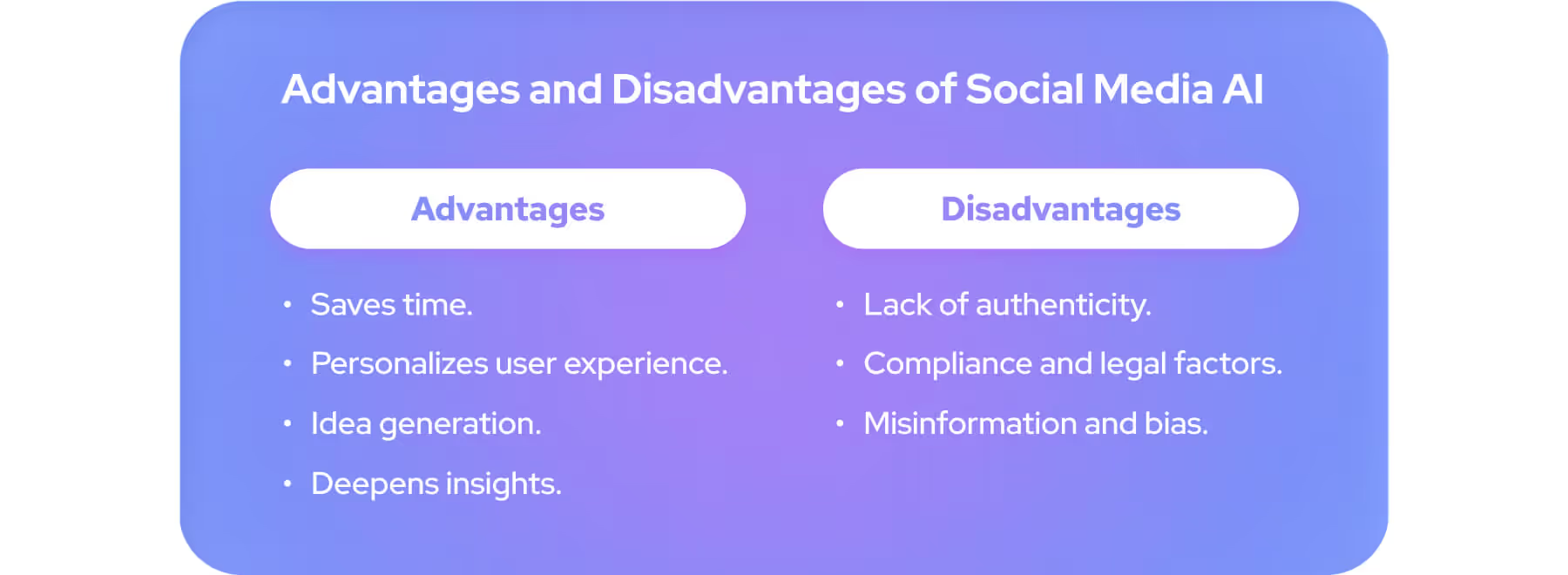
Like anything, AI on social media has its obvious pros and cons. When deciding whether to use it, it’s essential to weigh these factors and ultimately determine if the benefits outweigh the drawbacks or vice versa. Below, we cover a few of the advantages and disadvantages you may want to consider.
Advantages of AI in Social Media
In the social media landscape, AI is no longer just a futuristic concept but a present-day game changer. As a social media manager, you're constantly seeking ways to streamline workflows, enhance user engagement, and gain deeper insights into your audience. AI is a great tool to support these tactics and can be used for a range of advantageous tasks, including:
- Saves time: AI within social media helps you save time on content creation, performance reporting, and more. Tools like ChatGPT and Google’s Text FX can help you generate text, content ideas, and social media captions. And that’s just the tip of the iceberg.
- Personalizes user experience: AI and social media are partners in enhancing marketing operations, ultimately supporting a more personalized user experience. From content creation and customization to ad monitoring and more, brands are seeing added value and engagement on social media with the support of AI.
- Idea generation: AI's ability to analyze vast amounts of data and identify emerging trends provides social media marketers with a wealth of inspiration for new content. By understanding audience preferences and behaviors, AI tools can suggest unique, tailored content ideas that resonate more effectively with your target demographic, keeping your social media marketing strategy fresh and engaging.
- Deepens insights: AI technology in social media marketing offers teams unparalleled insights by analyzing complex data patterns that human analysis might overlook. It can reveal nuanced user behaviors, preferences, and engagement trends, enabling marketers to tailor their strategies precisely. This ability to dive deep into analytics helps teams better understand their audience and predict future trends, ensuring their social media campaigns are always one step ahead.
Disadvantages of Social Media AI
While AI for social media offers numerous benefits, it has its challenges. Even as AI tools in social media become more prevalent, it's crucial to stay aware of certain uncertainties, particularly concerning security and privacy. The following areas present a range of risks that warrant careful consideration:
- Authenticity: A main disadvantage of using AI tools for social media is the potential for a lack of personal touch and authenticity. AI-generated content can feel generic or out of sync with the brand's established voice, potentially alienating loyal customers who expect a consistent and personal level of communication. Over-reliance on AI for content creation risks diluting the human touch that’s crucial to building and maintaining genuine connections with audiences.
- Compliance and legal factors: Navigating compliance and legal factors is critical when integrating AI into social media strategies. As AI tools process vast amounts of user data, adhering to data protection regulations such as GDPR and CCPA is paramount to protect user privacy and avoid legal pitfalls. Staying informed about evolving laws and ethical standards related to AI usage is crucial to ensure your social media practices remain transparent and legally compliant.
- Misinformation and bias: Distinguishing between credible information and falsehoods can be a challenge for AI, which can struggle to contextualize and verify the vast amount of information it processes. Because of this, it also carries the risk of bias since it relies on existing data that might reinforce historical prejudice. This lack of understanding underscores the need to continuously refine AI systems and use human oversight to edit and mitigate the spread of misinformation.
Best Practices for AI in Social Media
If you want to put the best foot forward when it comes to adding AI into your social media workflow, there are a couple of things you can start doing right away:
Review All AI-Generated Content
Never rely on AI content to be perfect from the jump. It is beyond necessary to thoroughly review every piece of content, every idea, and every analysis generated by AI, perhaps even more so than those created by humans. Build additional review time into your schedule to ensure you have more than enough time to thoroughly review the content for errors or to sniff out if there happens to be any bias or misinformation in the content being served to you by AI.
Create a Company Policy for AI Use
Creating a company-wide policy for AI use is a best practice for companies as a whole, not just social teams. This ensures that everyone in the company is informed about how they can use AI as part of their workflow, and more importantly, how they cannot. This avoids any confusion or uncertainty about what role AI plays in your strategy and company as a whole.
Enhance, Don’t Replace
AI should never act as a replacement for anyone or anything on your team. Instead, view it as a tool that can help your team work more efficiently and free up time to pursue more creative, fun, or results-driven tasks. Any AI tools your brand uses should actively benefit and enhance your workflow, rather than making things more difficult or tedious.
How Brands Are Using AI
AI technology isn’t new, meaning brands all over the globe have been using it as a part of their strategy for years, identifying various tactics and testing new capabilities to find out which are the most effective for them to meet their specific goals.
Made by Nacho
Pet food brand Made by Nacho is a power user of Dash Social’s Vision AI, ensuring its content aligns closely with audience interests. The brand gains valuable insights into audiences' preferences with this performance predictor, even discovering that its audience did not favor its previous purple, but rather the brand’s (and Nacho’s) signature orange.
Testing brand colors would normally take many hours of A/B testing to get a clear answer. With Vision AI working in the background, Made By Nacho was able to learn what it’s community likes and achieve a 633% higher engagement rate than the CPG industry average on Instagram.
Read the Made By Nacho case study →
CB2
CB2, in addition to partnering with creators on long-tail series of content, places priority on those who fit the brand’s community. The brand nurtures those relationships, making them more intentional and long-term than typical influencer marketing and sponsorships. Using Dash Social’s proprietary performance prediction feature, Vision AI, CB2 efficiently curates a diverse and resonant content mix. Featuring UGC and creator partnerships that helped increase Instagram Stories link clicks by 21%.
Read the case CB2 case study →
Wayfair Professional
By tracking performance through Vision AI, Wayfair Professional can see which creative elements from UGC drive the most engagement and refine their approach. AI-powered Social listening and mentions have also played a critical role in staying connected to their audience. By tapping into these metrics the team is able to track conversations, respond in real time, and identify new opportunities for engagement or brand partnerships for it’s creator program,Tastemakers. Resulting in a 2,757% increase in engagements on Instagram.
Top 3 AI Social Media Tools
There are numerous social media AI tools available that perform various functions. Here are three of the best tools that will really help enhance your social strategy and can be seamlessly integrated into your tech stack.
Dash Social
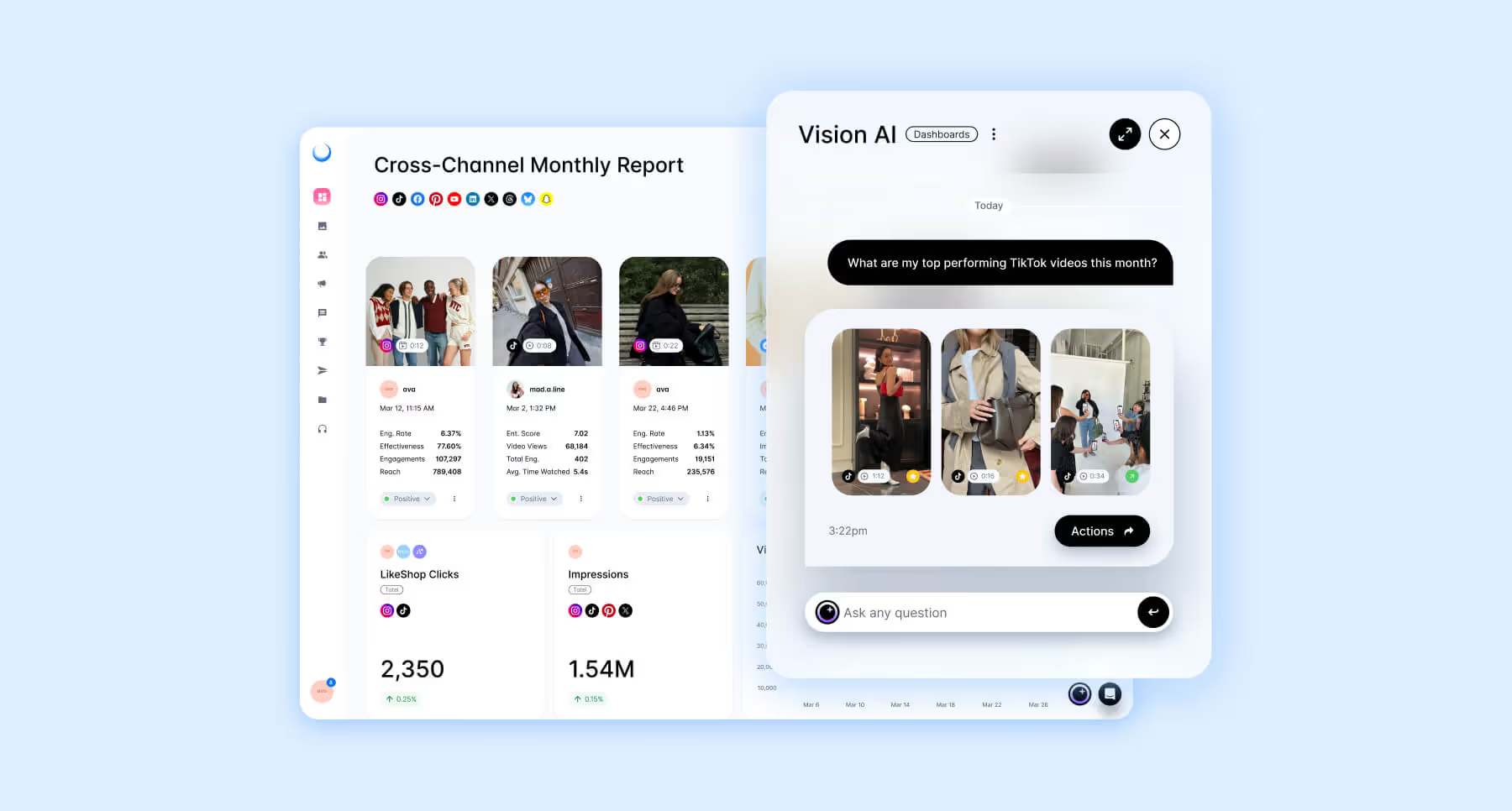
Dash Social's proprietary Vision AI technology helps marketers uncover what visuals resonate most with their audience and spot emerging trends within their unique industry. Brands can use these insights to make impactful change and inform future strategic and creative directions. Dash Social’s Scheduler also leverages past performance data to provide optimal posting times, so brands know exactly when to post to reach their target audience.
ChatGPT
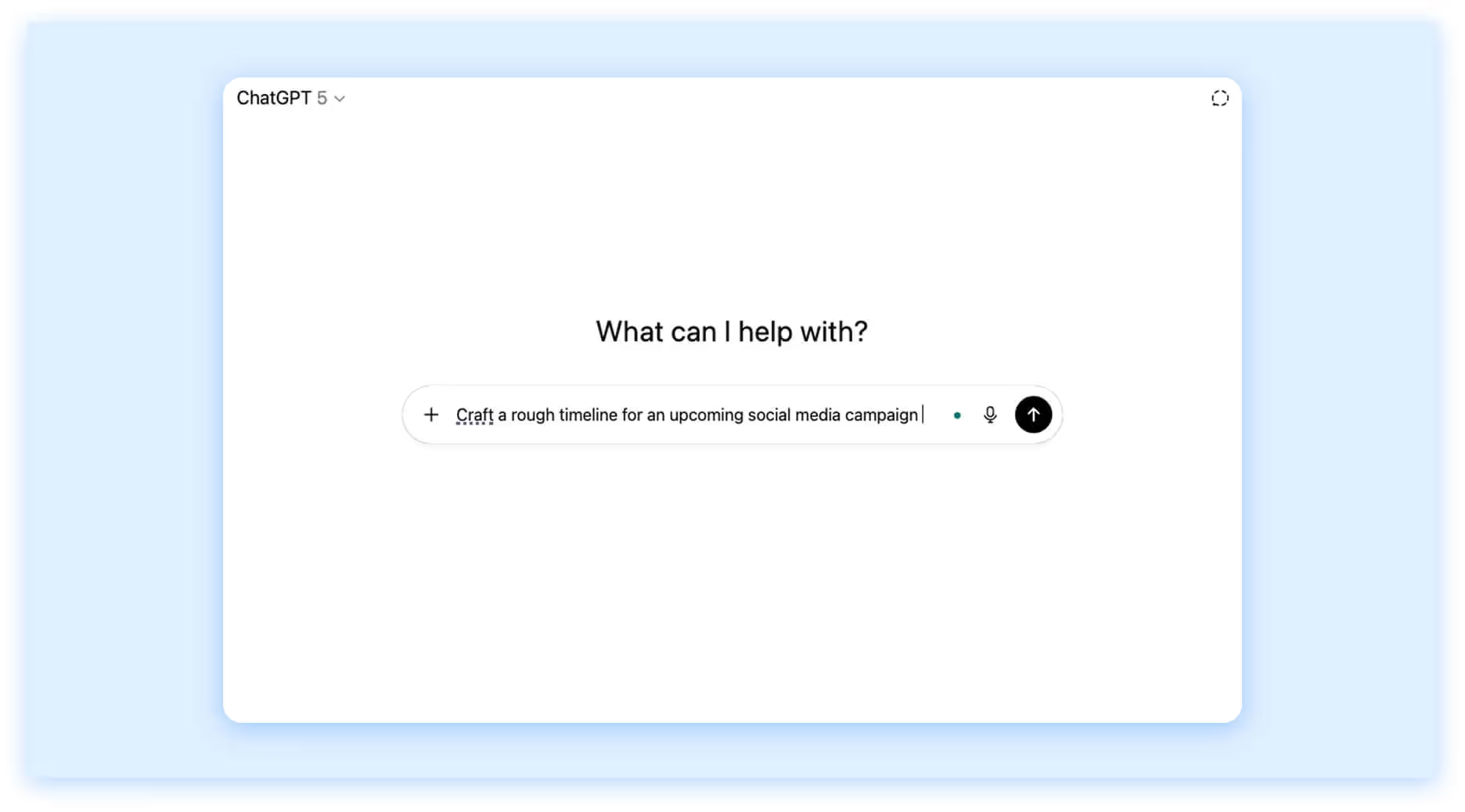
ChatGPT is one of the most accessible and useful AI tools marketers can use. It is a conversational AI, meaning it should mainly be used to brainstorm content ideas, draft briefs or blog posts, write captions, or even to create basic code. With the right ChatGPT prompts (and ample time set aside for reviewing the outputs), this AI tool can be used as a versatile sidekick to help turn ideas into action.
Adzooma
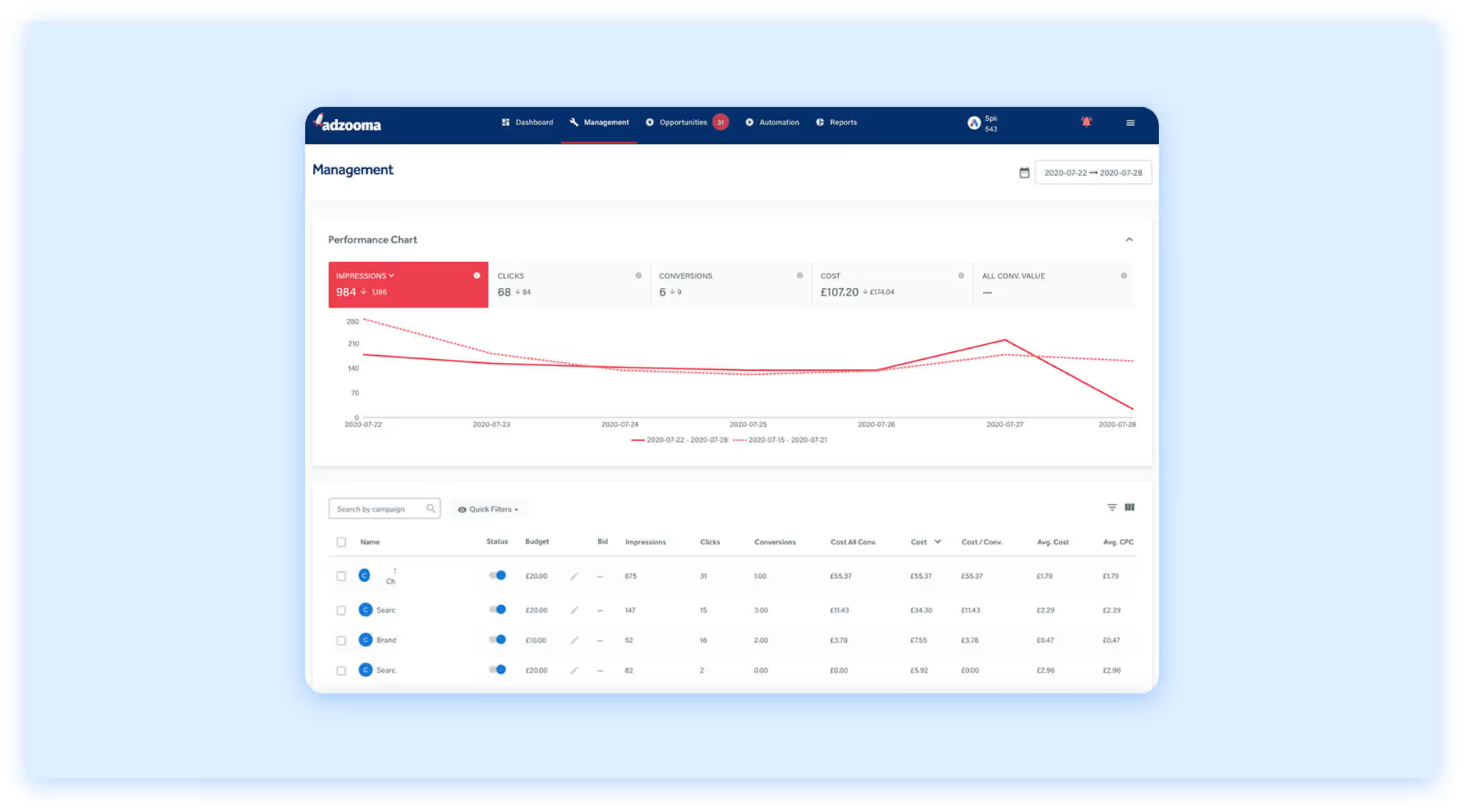
Adzooma’s AI specifically helps brands that are looking for support managing and optimizing PPC campaigns across Google, Microsoft, and Facebook Ads. The AI analyzes data and provides recommendations in real-time that it believes will help improve ROI. This tool is extremely valuable for smaller teams or those with a smaller budget who want to get the most out of their PPC.
Social Media AI FAQs
Is AI on social media safe?
Like anything, it depends on how you use it. Generally, using AI to enhance your social media tactics is safe and can be trusted, as long as you closely review the content, adhere to your company's AI usage policy, and comply with relevant privacy and protection regulations, such as the GDPR and CCPA.
What is generative AI for social media?
Generative AI for social media refers to advanced AI systems capable of creating new content, such as text, images, or videos, based on the data they've been trained on. These AI tools can generate posts, captions, and interactive content that align with a brand's voice and audience preferences.
When did social media start using AI?
The integration of AI into social media started gaining traction in the early 2010s, as platforms sought to enhance user experience and streamline operations. Major social media companies have begun employing AI for various purposes, including content personalization, targeted advertising, and spam detection. These use cases marked the beginning of a new era where AI became a fundamental component in shaping social media as we know it.