Entertainment Marketing Strategies for Brands
How entertainment marketing Is reshaping social media.
Contents
What Is Entertainment Marketing?How Does Entertainment Marketing Differ From Advertising?The Benefits of Entertainment MarketingExamples of Effective Entertainment Marketing StrategiesDetermining the Most Effective Marketing Strategy for Your BrandMedia and Entertainment Industry Marketing With Dash SocialEntertainment Marketing Strategies FAQs
Social media isn’t just social anymore. It’s entertainment. As platforms like TikTok reshape how users consume content, brands are being challenged to do more than advertise. To capture attention, drive engagement, and inspire purchases, marketers must create content that audiences genuinely enjoy. That’s where entertainment marketing comes in.
Key Takeaways:
- Entertainment marketing uses content as the vehicle for promotion, prioritizing engagement and enjoyment over direct selling.
- Social media has shifted from network-driven feeds to algorithm-driven entertainment, making short-form video more powerful than ever.
- Entertaining content drives significantly higher engagement, increasing both online and in-store purchase intent.
- Effective strategies include product placement, co-branding, and celebrity endorsements, all designed to expand reach and cultural relevance.
- There’s no one-size-fits-all approach. Brands must align their entertainment strategy with their audience and performance goals.
What Is Entertainment Marketing?
Entertainment marketing is the promotion of a product or a brand, with entertainment as the primary vehicle for delivering your advertising message. In many ways, it shares DNA with guerrilla marketing: both aim to capture attention in unexpected, memorable ways and create buzz that audiences want to share.As social media transforms into social entertainment, brands’ advertising strategies have also shifted toward entertainment marketing. In the past, social media was driven by the network effect, the people you followed shaped what you saw. Today, algorithms determine your experience by analyzing the content you engage with and serving you more of what you find entertaining.
The benefit of this shift is that the engagement of entertaining short-form video is ten times higher than static social media posts. Audiences are far more likely to click on your post and possibly even navigate to your online store and check out a product. The word-of-mouth effect also means that shoppers are more likely to shop in-store too, and share their purchases with their audiences to inspire even more purchases. Entertainment marketing can now take on a life of its own when done well.


How Does Entertainment Marketing Differ From Advertising?
Entertainment marketing and traditional advertising may share the same goal, driving brand awareness and sales, but they take very different approaches to getting there.
Entertainment marketing leverages organic, culturally relevant content to grow your audience by genuinely entertaining them. Instead of interrupting the user experience, it becomes part of it. On platforms like TikTok, Instagram Reels, and YouTube Shorts, audiences are scrolling to be amused, inspired, or informed. Brands that succeed understand this shift and create content that stands on its own merit. Content that viewers would choose to watch even if it weren’t tied to a product.
Traditional advertising, on the other hand, is typically more direct and product-focused. It often prioritizes messaging, features, and calls to action designed to drive immediate conversions. While paid ads and promotional posts still have an important role in a balanced social media marketing strategy, they are more interruptive by nature. Users recognize them as ads.
This distinction is especially important when marketing to Gen Z and younger audiences. These consumers have grown up in a digital-first environment and are highly attuned to overt advertising. They value authenticity, creativity, and cultural relevance, and they’re more likely to engage with brands that entertain rather than sell to them outright.
In short, advertising asks for attention. Entertainment earns it. Brands that lean into entertainment marketing build stronger relationships and create content that travels further organically.
The Benefits of Entertainment Marketing
Entertainment marketing allows brands to cross-promote their products alongside established sources of entertainment, tapping into audiences that are already deeply engaged. When a brand aligns itself with a recognizable franchise, celebrity, or cultural moment, it benefits from built-in excitement and credibility. Rather than building attention from scratch, the brand becomes part of a larger conversation.
Brands like ColourPop Cosmetics frequently collaborate with major entertainment properties such as Star Wars, Barbie, and the NBA. These partnerships do more than generate buzz. They create cultural relevance. Fans of these franchises are introduced to the brand in a context they already love and trust, increasing the likelihood of engagement and purchase.
The benefit extends to both partners. Each brand gains exposure to new, highly targeted audiences beyond their typical customer base. Cross-promotions also create highly shareable moments, especially on social media, where limited-edition launches and nostalgic collaborations can drive urgency, user-generated content, and viral traction. When done well, entertainment partnerships do more than expand reach, they strengthen brand affinity and create demand.
Examples of Effective Entertainment Marketing Strategies
As the advertising and entertainment industries are so wide-reaching, there are many examples of what an effective entertainment marketing strategy looks like. Some involve complex brand integrations, while others are more simple and spontaneous. We’ve outlined a few entertainment marketing examples to give a perspective on what your brand can accomplish.
Product Placement
The media industry has embraced entertainment marketing as its status quo. Product placement has always been a staple of the industry and remains a part of our everyday lives, even if it’s not immediately obvious. However, as the nature of entertainment has widened to include social channels, so too has the reach of the entertainment industry. Product placement is more likely to be shared and go viral. More eyeballs on your product means more potential customers to sell to.
Ray-Ban x Top Gun
Ray-Ban saw a noteworthy increase in sales when Tom Cruise wore their aviator glasses in Top Gun. This is an example of product placement taking on a life of its own, as the product becomes associated with an iconic character.

Co-Branding
Co-branding is when two brands collaborate on entertainment marketing to boost awareness of both brands, as well as find new audiences. When it comes to co-branding, it is important for the brands to find common ground that allows them to market to a shared audience while also distinguishing what sets them apart so that they can find new customers.
BMW x Louis Vuitton
The luxury industry is common ground between automotive brand, BMW and luxury retailer, Louis Vuitton. These brands were able to use co-branding to attract the same target audience. People who are willing to pay for high-quality, sleek, and luxury items. This collaboration was perfect for the audience they identified because they could promote both brands as different sides of a luxury lifestyle.

Celebrity Endorsements
Brands commonly use celebrities and influencers with high social capital from the general public to promote their products. In the era of social entertainment marketing, celebrity endorsements are more effective than ever, as short-form video has an incredibly long reach and is proven to have a higher impact than static content.
Doja Cat x JBL
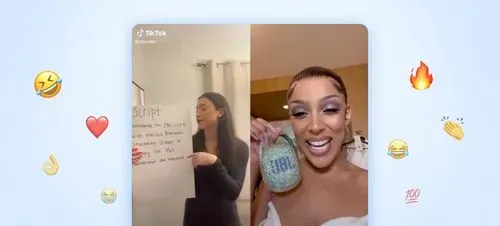
Doja Cat was named the new Global Brand Ambassador for JBL speakers. This collaboration touched not just the music industry but also the fashion industry, as Doja Cat requested speakers she could wear as a fashion statement. She leveraged her huge following on social media, particularly on TikTok, to promote the collaboration, and it earned great engagement by being genuinely unique and funny.

Determining the Most Effective Marketing Strategy for Your Brand
There is no one-size-fits-all approach to entertainment marketing, as all brands have different success metrics. What’s important is to center your approach around your target audience and how you want to attract them.
If you’re looking for social proof, celebrity endorsements may be the most valuable. If you want to associate your brand with something fun or outside of your industry, co-branding may be the most valuable strategy. And, of course, product placement is a tried-and-true strategy to build brand awareness without reinventing the wheel.
Media and Entertainment Industry Marketing With Dash Social
Dash Social is the premier platform for brands looking to win in the social entertainment era. As TikTok and other short-form video platforms become cultural engines, success requires more than creativity. It requires data-driven strategy. Dash Social equips marketers with deep, actionable insights into TikTok performance so they can understand what resonates, why it resonates, and how to replicate it.
With customizable dashboards, teams can track key metrics in real time, identify emerging trends, and quickly spot content that’s gaining viral traction. Instead of reacting after the moment has passed, brands can proactively optimize their strategy based on performance signals.
Beyond analytics, Dash Social streamlines organic social media management, making it easier to plan, publish, and measure campaigns in one place. The result is a more agile, insight-led approach to content creation.
Entertainment Marketing Strategies FAQs
What are popular entertainment marketing strategies?
While there are many popular entertainment marketing strategies to help promote brands, some of the most effective include co-branding, celebrity endorsement, and product placement. These three strategies not only aim to entertain, but also get your product in front of a larger, more unique audience than what your brand currently reaches. The best strategies keep potential consumers coming back for more.
What is the purpose of entertainment marketing?
Entertainment marketing allows you to market your product or brand in a way that consumers enjoy and are prone to share with friends and family. Entertaining content has significantly more engagement than static content, which makes it a compelling marketing strategy.
What is entertainment branding?
Similar to entertaining organic content, entertainment branding involves filtering your brand through the lens of content that thrills audiences. Many brands are now using interactive experiences, including augmented reality, apps, television shows with product placement, and virtual worlds, to engage with customers on a much deeper level.
.avif)